Fast Food Menu Design Germany: From Concept to Professional Final Design
-

- Published Updated
- 65 views
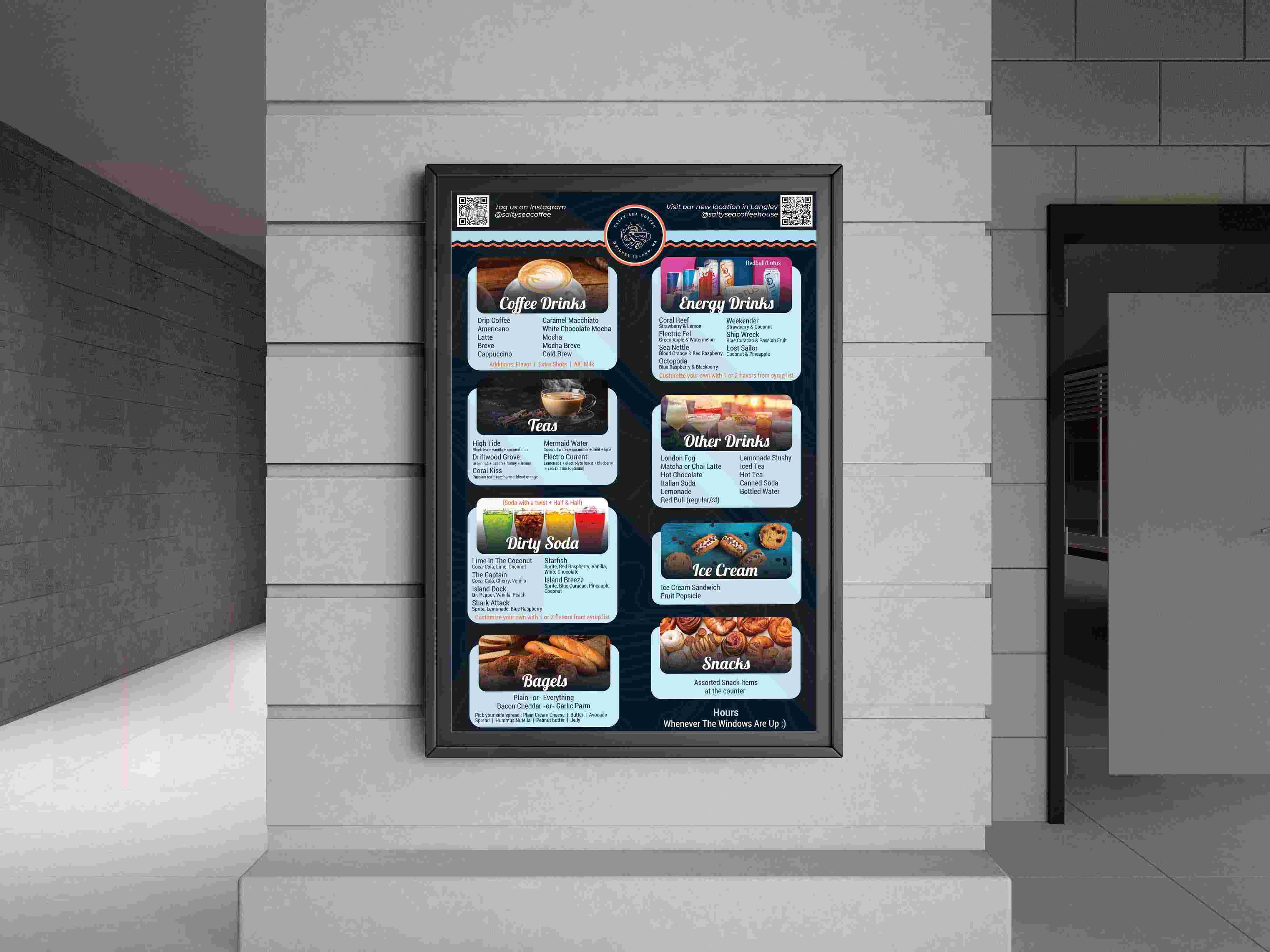
The fast-food industry in Germany is highly competitive, with restaurants, cafés, food trucks, burger shops, pizzerias, takeaway counters, and quick-service restaurants constantly looking for better ways to attract customers. In such a competitive environment, a well-designed menu is more than a simple list of food items and prices. It is an important part of a restaurant's branding, customer experience, and sales strategy. This is where professional Fast Food Menu Design Germany services can make a meaningful difference.
A professionally designed menu helps customers understand the available choices quickly, identify popular dishes, compare prices, and make decisions without confusion. At the same time, it gives a food business an opportunity to communicate its personality through colors, typography, images, layouts, and branding elements. From the first concept to the final printable or digital design, every detail matters.
Why Fast Food Menu Design Matters in Germany
Fast-food customers generally want a quick and convenient ordering experience. They may already know what they want, or they may be deciding between several options. If a menu is cluttered, difficult to read, or poorly organized, customers can feel overwhelmed.
A strong Fast Food Menu Design Germany approach focuses on creating a clear visual hierarchy. Important categories such as burgers, sandwiches, pizzas, fries, snacks, beverages, desserts, and meal deals should be easy to locate. Prices should be visible without making the menu look crowded.
Germany also has a diverse food market. Businesses serve both local customers and international visitors, so menu presentation needs to be straightforward and accessible. A clean and professional design can help restaurants create a better first impression while making the ordering process more comfortable.
Starting With the Menu Concept
Every successful menu design begins with a concept. Before choosing colors or adding food photographs, designers need to understand the restaurant and its audience.
For example, a modern burger restaurant may want a bold and energetic visual identity, while a family-oriented fast-food restaurant may prefer a friendly and approachable appearance. A premium takeaway business may need a more sophisticated design.
During the concept stage, several questions should be considered:
- What type of fast food does the business offer?
- Who is the target customer?
- What makes the restaurant different?
- Which food items are the best sellers?
- Is the menu intended for print, digital display, or both?
- What brand colors and fonts should be used?
- How many menu categories are required?
Answering these questions provides a strong foundation for the entire Fast Food Menu Design Germany process.
Organizing Menu Categories Clearly
Menu organization is one of the most important parts of professional menu design. Customers should not have to search through large blocks of text to find their favorite dishes.
A typical fast-food menu may include sections such as:
- Burgers
- Chicken
- Pizza
- Sandwiches
- Wraps
- Fries and sides
- Snacks
- Salads
- Combo meals
- Beverages
- Desserts
- Special offers
Each category can have its own visual treatment while still maintaining consistency across the entire menu.
Designers can use headings, spacing, icons, boxes, and subtle graphic elements to separate categories. The goal is not to add unnecessary decoration but to make navigation easier.
Choosing the Right Colors
Color has a strong influence on how customers perceive a menu. Fast-food brands often use energetic and attention-grabbing colors, but the right combination depends on the restaurant's identity.
A professional Fast Food Menu Design Germany project should use colors that match the business's branding. If a restaurant already has a logo, packaging, signage, or interior design, the menu should complement those elements.
For example, a restaurant with a strong red and black brand identity may continue those colors throughout the menu. Another business may prefer neutral tones with carefully selected accent colors.
The key is consistency. Too many colors can make a menu appear confusing, while a carefully selected palette can make the design look polished and professional.
Typography and Readability
Typography is another important consideration. A menu may look visually impressive, but if customers cannot read it comfortably, the design has failed its primary purpose.
Professional menu designers select fonts based on readability, brand personality, and available space. Restaurant names, category headings, item names, descriptions, and prices should have clearly defined visual levels.
For example, food item names can be slightly larger or bolder than descriptions, while prices can be positioned consistently so customers can compare options easily.
The typography should also work well for printed menus as well as digital screens. This is especially important for restaurants that use multiple menu formats.
Using Food Photography Effectively
High-quality food photography can make a fast-food menu more attractive. Images can help customers visualize what they are ordering and may encourage them to try featured products.
However, using too many photographs can make the menu look crowded. Professional Fast Food Menu Design Germany balances imagery with text and whitespace.
Large photographs can be reserved for signature burgers, meal deals, combo offers, or special products. Smaller images or icons can be used for supporting items.
Images should also represent the actual food accurately. Attractive but misleading photography can create the wrong expectations. A professional design should aim for an appealing but trustworthy presentation.
Highlighting Best-Selling Items
Not every menu item has the same importance. Restaurants often have signature dishes, popular combos, seasonal products, or high-margin items that they want customers to notice.
A professional menu can give these products greater visual prominence.
Design techniques may include:
- Featured product sections
- Highlight boxes
- Recommended labels
- Special icons
- Larger photographs
- Limited-time offer badges
- Combo meal callouts
This allows customers to discover recommended products quickly without making the menu feel overly promotional.
Designing for Different Menu Formats
Modern fast-food businesses may use several types of menus. A restaurant might have a printed menu, wall menu, takeaway menu, digital menu board, online menu, and QR code menu.
Each format requires a slightly different approach.
A printed menu needs appropriate dimensions, margins, resolution, and print-ready files. A digital menu board requires strong visual hierarchy that can be understood from a distance. An online menu needs responsive presentation and easy navigation.
This is why Fast Food Menu Design Germany should not be treated as a one-size-fits-all service. The design should be adapted to where and how customers will view it.
Digital Menu Design for Fast-Food Businesses
Digital ordering has become an important part of the restaurant industry. Many businesses now use websites, ordering platforms, QR codes, tablets, and digital displays to present their menus.
Digital menu design allows restaurants to update prices, add seasonal products, promote special offers, and reorganize categories more easily.
A good digital menu should maintain the same branding as the printed menu. Consistency across physical and digital touchpoints can help customers recognize the restaurant and create a stronger brand experience.
Professional Branding Through Menu Design
A menu is one of the most visible branding materials for a food business. It can communicate whether the restaurant is modern, traditional, casual, premium, playful, or family-friendly.
Professional Fast Food Menu Design Germany combines branding with usability. The restaurant logo, colors, fonts, imagery, icons, and layout should work together rather than appearing as separate elements.
When the menu matches other branding materials such as packaging, signs, social media graphics, and promotional materials, customers receive a more consistent experience.
From First Draft to Final Design
The professional menu design process normally involves several stages.
First, the menu content and brand requirements are collected. Next, the overall concept and visual direction are established. Designers then create the layout and organize the content.
After the first version is prepared, the restaurant can review the design and request changes. Adjustments may involve food names, prices, images, colors, fonts, category placement, or other visual elements.
Once everything has been approved, the final design can be prepared for the required format. Print menus may require print-ready files, while digital menus may need screen-optimized versions.
This structured process helps reduce mistakes and ensures the final menu reflects the restaurant's goals.
Why Choose Design My Menu?
Choosing the right design partner can make the menu creation process easier and more efficient. Design My Menu focuses on creating professional menu designs that combine visual appeal, organization, branding, and practical usability.
Whether a business needs a restaurant menu, fast-food menu, digital menu, café menu, bakery menu, hotel menu, or customized food menu, a professional design approach can help turn basic menu information into an attractive customer-facing experience.
For businesses targeting the German food market, the design should be created with the restaurant's audience, food category, brand identity, and menu format in mind.
Common Mistakes to Avoid
Even good food businesses can make menu design mistakes. Some common problems include using too many fonts, overcrowding the layout, choosing difficult-to-read text, using inconsistent pricing formats, adding low-quality images, or placing too many promotional elements on one page.
Another common mistake is failing to update the menu. Old prices, unavailable dishes, or outdated offers can create confusion for customers.
A professional Fast Food Menu Design Germany strategy should therefore consider both aesthetics and functionality.
Final Thoughts
A fast-food menu is an essential communication tool between a restaurant and its customers. It needs to be attractive enough to capture attention while remaining clear enough to support quick decision-making.
From choosing the initial concept and organizing food categories to selecting typography, colors, photography, branding, and final formats, every stage contributes to the final result.
For restaurants, food trucks, burger shops, cafés, pizzerias, and other quick-service businesses, investing in professional Fast Food Menu Design Germany can help create a stronger visual identity and a better customer experience.
With the right planning and professional execution, a menu can become much more than a list of dishes—it can become an important part of the restaurant's brand.
Frequently Asked Questions (FAQ)
1. What is Fast Food Menu Design Germany?
Fast Food Menu Design Germany refers to professional menu design services created for fast-food restaurants and food businesses operating in the German market. The design typically focuses on clear organization, attractive visuals, branding, readable typography, and effective presentation of food items and prices.
2. Why is professional menu design important for fast-food restaurants?
A professional menu makes it easier for customers to understand available options and make quick decisions. It can also strengthen restaurant branding and create a more professional customer experience.
3. What should a fast-food menu include?
A fast-food menu can include categories such as burgers, pizzas, sandwiches, wraps, chicken, sides, snacks, beverages, desserts, combo meals, and special offers. The exact structure depends on the restaurant's products.
4. Can Fast Food Menu Design Germany include digital menus?
Yes. Professional menu design can be adapted for digital menu boards, websites, QR code menus, online ordering systems, tablets, and other digital platforms.
5. How important are food images in menu design?
Food images can attract attention and help customers understand products visually. However, images should be used strategically so the menu does not become overcrowded.
6. Can the menu design match an existing restaurant brand?
Yes. A professional menu can incorporate the restaurant's existing logo, colors, typography, imagery, and overall visual identity to maintain brand consistency.
7. Is custom menu design better than a generic template?
Custom menu design allows a restaurant to create a unique visual identity based on its products, target audience, brand, and business requirements. Templates can be useful, but customized designs often provide greater flexibility.
8. What does Design My Menu provide?
Design My Menu provides professional menu design solutions for different types of food businesses. The design can be developed around the restaurant's menu content, branding, preferred style, and required format.
9. Can one menu design be used for both print and digital platforms?
A menu can be adapted for both print and digital use, but each format may require specific dimensions, resolution, layout adjustments, and file preparation.
10. How can a restaurant start a professional menu design project?
The process can begin by preparing the restaurant logo, menu content, food images if available, brand preferences, prices, and preferred menu format. These details help designers create a concept that matches the business and its customers.