Fat Injection in Riyadh: Procedures, Safety, and What to Know
-

- February 23rd, 2026
- 1,140 views

Get a free topical map and start building content authority today.
Fat injection in Riyadh is a commonly offered cosmetic procedure that uses a person’s own fat tissue to add volume, smooth contours, or restore facial and body shape. Interest in autologous fat transfer has grown alongside advances in harvesting and processing techniques, and patients often compare options, expected results, and safety when researching local clinics.
- Fat injection (autologous fat transfer) uses harvested fat to augment or contour areas such as the face, hands, breasts, and buttocks.
- Techniques include microfat, structural fat grafting, and nanofat; outcomes vary by technique and surgeon experience.
- Important considerations include provider qualifications, clinic accreditation, realistic expectations, recovery time, and known risks such as asymmetry or fat resorption.
Fat injection in Riyadh: an overview
Autologous fat transfer, commonly called fat grafting or fat injection, involves liposuction to harvest fat from one part of the body, processing that tissue, and reinjecting it into the target area. In Riyadh, the procedure is performed in private clinics and accredited hospitals by practitioners with varying training backgrounds. Licensing and facility accreditation can be verified through local regulators and health authorities.
Types of fat injection procedures
Microfat and structural fat grafting
Microfat grafting uses small parcels of fat to restore volume in the face or hands. Structural fat grafting transfers larger fat parcels to support the underlying framework, often used in cheek or breast contouring. Choice of technique depends on treatment goals and the anatomical area.
Nanofat and regenerative approaches
Nanofat processing produces a finer material sometimes used to improve skin texture and quality rather than bulk volume. Some clinics describe regenerative benefits related to cellular components, though clinical outcomes can vary and evidence is evolving in peer-reviewed literature.
Choosing a provider and facility
Selection of a qualified practitioner is a central factor in outcomes and safety. Credentials to review include board certification or specialist recognition in plastic surgery or dermatology, as applicable, and membership in recognized professional societies. Facility accreditation and adherence to infection-control standards are additional trust signals. Local regulatory bodies such as the Saudi Commission for Health Specialties and hospital accreditation programs provide oversight, and official resources are available through the Ministry of Health for verification: Saudi Ministry of Health.
Pre-procedure considerations
Pre-procedure assessment typically covers medical history, medication review, and expectations for volume retention. Fat grafting outcomes depend on factors such as the amount of fat transferred, quality of the donor fat, the receiving site’s blood supply, and post-procedure care. Surgeons often discuss likely resorption rates and the potential need for touch-up procedures.
Recovery, results, and longevity
Recovery times vary by treatment area and extent of liposuction. Mild swelling and bruising commonly resolve over days to weeks. Some proportion of transferred fat is normally reabsorbed by the body; stable long-term volume typically becomes evident after a few months. Results can be durable, but variability is common and individual outcomes depend on biological response and surgical technique.
Costs and payment considerations
Costs for fat injection procedures depend on the complexity, the number of treatment areas, and the type of facility. Pricing structures range from per-session fees to package pricing for multiple stages. Insurance rarely covers elective cosmetic fat grafting; individuals considering the procedure often request itemized cost estimates and inquire about financing or payment options offered by clinics.
Risks, complications, and safety
Common short-term effects include swelling, bruising, and temporary discomfort. Potential complications can include infection, fat necrosis (firm lumps), contour irregularities, and asymmetry. Certain applications, such as large-volume buttock augmentation, have been associated with higher risk profiles in published surgical safety analyses; discussion of risks and benefits is a standard part of preoperative counseling with a qualified surgeon.
Alternatives to fat injection
Alternatives include synthetic dermal fillers, implants, and non-surgical volume-restoration techniques. Each option has trade-offs in durability, invasiveness, and risk. The most appropriate choice typically depends on treatment goals, anatomy, and medical considerations.
Regulation and professional standards
Regulatory oversight in Saudi Arabia includes licensing of health professionals and accreditation of healthcare facilities. Professional organizations and peer-reviewed journals are sources for clinical standards and safety recommendations. Verifying a clinic’s accreditation status and a practitioner’s licensure is a recommended step when evaluating providers.
Making an informed decision
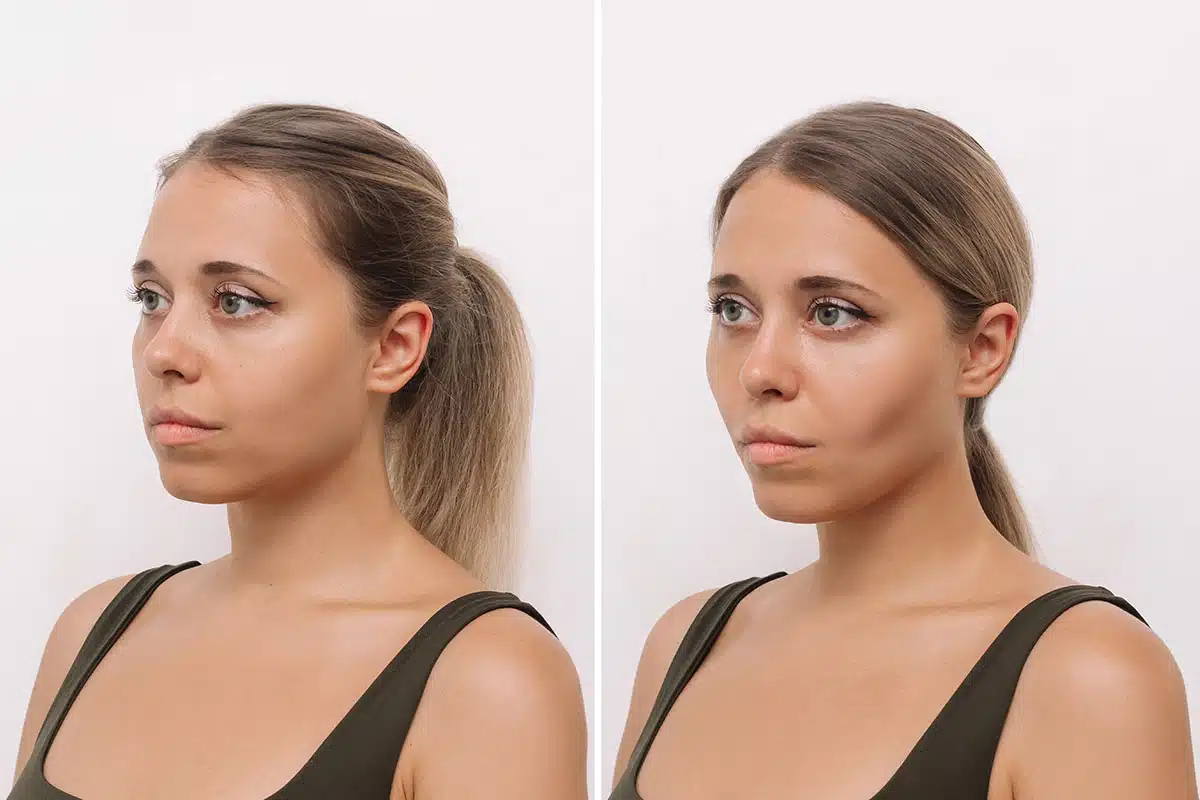
When researching fat injection options in Riyadh, reviewing before-and-after case examples, requesting details about surgical technique, and confirming facility accreditation are practical steps for information gathering. Discussions with a qualified specialist can outline realistic outcomes, recovery expectations, and potential follow-up needs.
Frequently asked questions
What is fat injection in Riyadh and who performs it?
Fat injection, or autologous fat transfer, is performed by licensed practitioners who may include plastic surgeons, reconstructive surgeons, or dermatologic surgeons. Facility accreditation and practitioner credentials are important factors in provider selection.
How long do results from fat grafting usually last?
Some transferred fat can be reabsorbed; typically a stable result is seen after several months. Long-term durability varies by individual factors and the specific treatment area.
What are common complications to watch for after fat injection?
Common complications include swelling, bruising, lumpiness from fat necrosis, asymmetry, and, less commonly, infection. Prompt follow-up with the treating facility is advised if concerning symptoms appear.
How can a clinic’s safety and accreditation be verified in Riyadh?
Verification methods include checking practitioner licensure and facility accreditation through the relevant health authorities and professional regulatory bodies. Official resources such as the national health ministry provide directories and guidance.
Is fat injection covered by health insurance?
Elective cosmetic fat grafting is generally not covered by typical health insurance plans; coverage depends on policy terms and whether the procedure is deemed reconstructive for medical reasons. Patients often request written cost estimates and billing details from clinics in advance.