Fat Melting Injections Dubai: Complete Guide to Non-Surgical Body Sculpting
-

- Published Updated
- 3,141 views

Fat melting injections are a non-surgical body contouring option increasingly offered in Dubai clinics, marketed to reduce small, localized fat deposits through injectable lipolysis. Interest in this technique has grown alongside other minimally invasive approaches such as cryolipolysis and ultrasound-assisted fat reduction.
- What: Injectable treatments intended to destroy or disperse small pockets of fat (lipolysis).
- Common areas: submental (under-chin), jowls, small body pockets.
- Key considerations: provider qualifications, appropriate patient selection, awareness of side effects and downtime.
- Regulation: products and procedures may be reviewed by health regulators; check local licensing and approvals.
Fat Melting Injections: What They Are
Definition and clinical concept
Fat melting injections refer to a group of injectable treatments designed to reduce localized fat by disrupting fat cell membranes or improving fat breakdown. The approach is sometimes described as injectable lipolysis or mesotherapy-style fat reduction. These treatments are not intended for general weight loss but for contouring small, resistant deposits.
Active ingredients and mechanisms
Different formulations exist. Some use deoxycholic acid, a detergent-like molecule that can disrupt fat cell membranes and trigger removal by the body. Other practices involve compounds used in mesotherapy mixes, which may include phosphatidylcholine, enzymes, or other agents. Clinical evidence and regulatory recognition vary by ingredient and indication.
Common treatment areas
Typical areas targeted include the submental region (under the chin), small pockets near the jawline, and limited fat pads elsewhere on the body. Large-volume fat removal is generally addressed by surgical liposuction rather than injectables.
How the procedure works
Consultation and assessment
A clinical assessment helps determine candidacy: overall health, the size of the fat deposit, skin quality, and realistic expectations. Providers should document medical history and review alternatives and potential risks.
Treatment session
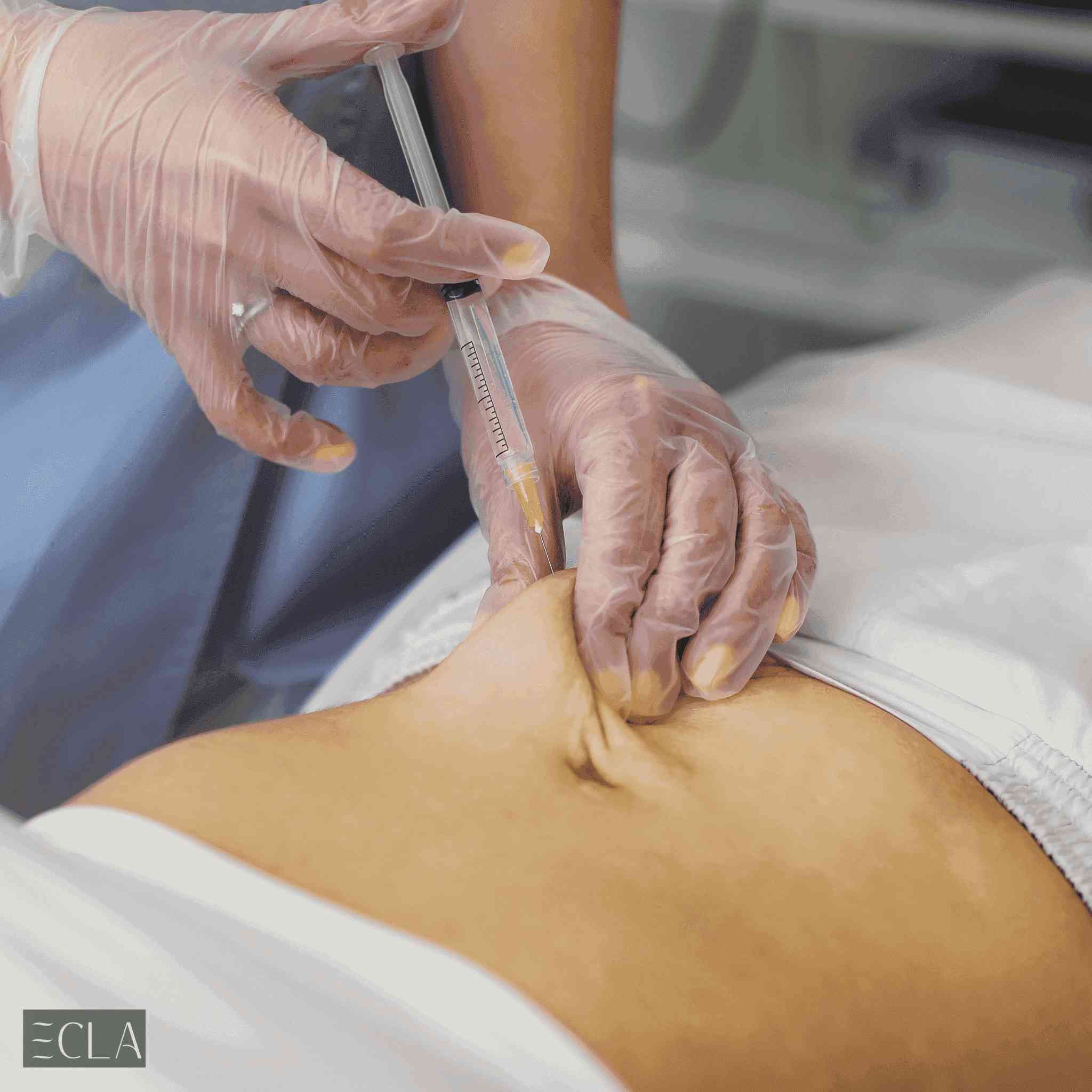
Sessions are typically outpatient and may use local anesthetic or topical numbing. Small injections are placed into the targeted fat layer according to a treatment plan. Multiple sessions spaced weeks apart are often required to reach the desired contouring effect.
Timeline for results
Results may appear gradually over weeks to months as the body clears disrupted fat cells and tissue remodeling occurs. The number of sessions needed varies based on product, area treated, and individual response.
Benefits, limitations and alternatives
Potential benefits
Possible advantages include minimal downtime compared with surgery, targeted shaping of small areas, and avoidance of general anesthesia. Some patients prefer injectables for minor contour refinements.
Limitations
Injectable lipolysis is not a weight-loss tool and is less effective for large-volume fat removal. Results can be modest and variable. Multiple sessions and maintenance strategies may be required.
Alternative options
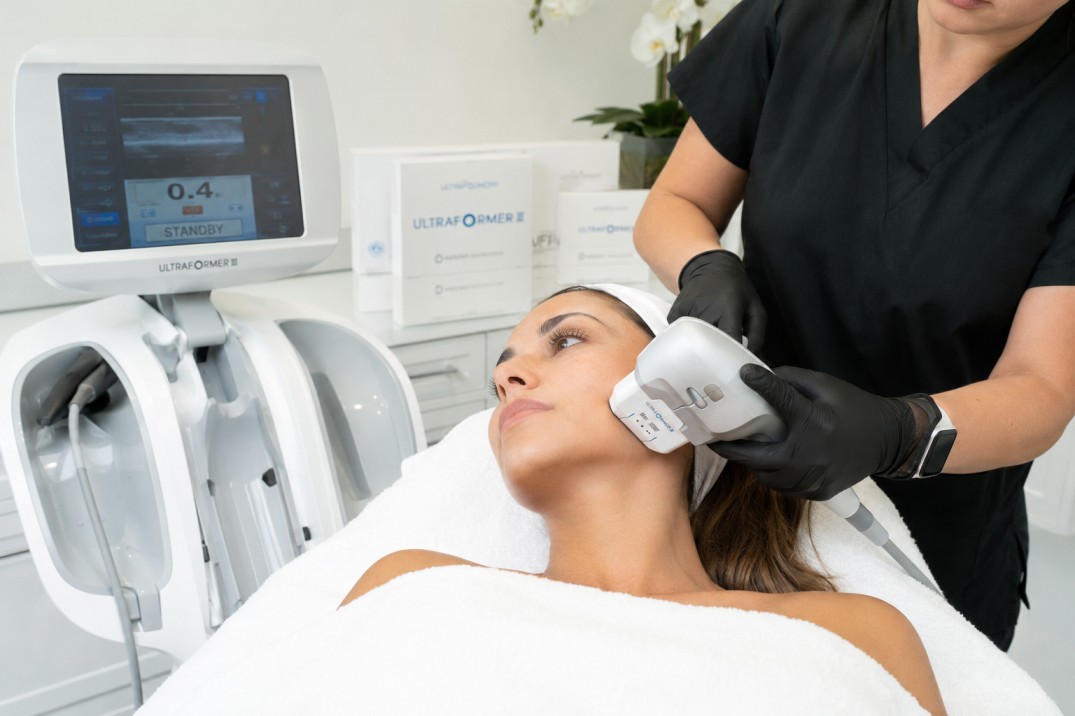
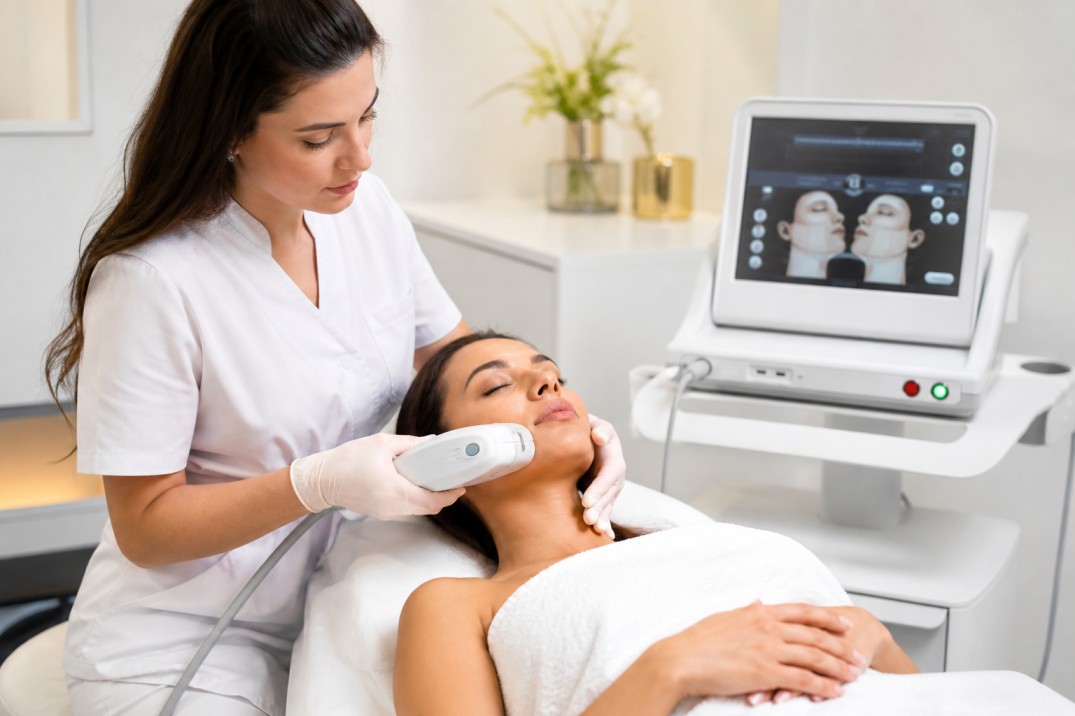
Non-surgical alternatives include cryolipolysis (fat freezing), high-intensity focused ultrasound, and radiofrequency-based body contouring. Surgical options such as liposuction provide more predictable large-volume reduction.
Risks, side effects and regulatory context
Common side effects
Typical reactions include swelling, bruising, redness, tenderness, and temporary numbness at injection sites. Rare but more serious complications can include infection, skin irregularities, persistent nodules, or nerve injury.
Regulation and safety oversight
Regulatory status differs by country and by specific formulation. Certain formulations containing deoxycholic acid have received regulatory approvals for specific indications in some jurisdictions; clinicians and patients should confirm product approvals and indications. Local licensing bodies such as the Dubai Health Authority (DHA) oversee facility and practitioner credentials in Dubai. For information about approvals and safety reviews relating to specific injectable agents, consult official regulator communications such as the U.S. Food and Drug Administration press releases and guidance: FDA information on deoxycholic acid.
Choosing a provider in Dubai
Credentials and facility standards
Select a qualified medical professional—typically a licensed dermatologist, plastic surgeon or physician with training in injectable procedures. Verify clinic accreditation and that the practitioner is registered with the Dubai Health Authority or equivalent local regulator.
Questions to ask
Recommended inquiries include: provider training and experience with the specific injection, an explanation of expected outcomes and risks, details of the product used, before-and-after photos of similar cases, and written informed consent documentation.
Aftercare and recovery
Typical post-treatment guidance
Aftercare commonly includes brief rest, cold compresses for swelling, and activity modification for a short period. Follow-up appointments let the practitioner assess healing and plan any additional sessions.
When to seek medical attention
Seek prompt evaluation for signs of infection, worsening pain, progressive numbness, or unexpected changes in skin color or contour.
Cost considerations
What affects price
Cost depends on the product used, number of sessions, treatment area, and provider expertise. Prices vary widely between clinics; an initial consultation often clarifies a treatment plan and cost estimate.
Frequently asked questions
Are fat melting injections safe?
Safety depends on the specific product, proper patient selection, and provider skill. Common short-term effects include swelling and bruising; more serious complications are uncommon but possible. Confirm product approvals and provider licensing through relevant health authorities such as the Dubai Health Authority.
How many sessions of fat melting injections are usually required?
The number of sessions varies; many treatment plans call for multiple sessions spaced several weeks apart. The exact number depends on the product, the treated area, and individual response.
How long until results are visible?
Gradual improvement is typical, with changes often noticeable within weeks but sometimes taking several months as the body clears disrupted fat cells and tissues remodel.
Can injections replace liposuction for large areas?
Injectable treatments are generally intended for small, localized pockets of fat. For larger-volume reduction, surgical liposuction remains the more predictable option.
How to verify a clinic’s credentials in Dubai?
Confirm that the practitioner is licensed and the facility meets local regulatory standards. Ask to see registrations, certifications, and evidence of prior experience with the specific procedure.