Laser Eye Lift in Riyadh: Compare Options, Recovery, and Realistic Results
-

- March 08th, 2026
- 358 views
Considering a laser eye lift in Riyadh? This guide explains the common laser and non-surgical eyelid options, expected recovery, realistic outcomes, and how to choose a qualified clinic. It is designed for readers who want clear, practical information to make an informed decision.
- Laser eye lift options range from non-ablative skin tightening to fractional CO2 resurfacing and laser-assisted blepharoplasty.
- Non-surgical eyelid lifts have shorter downtime but offer subtler results than surgical blepharoplasty.
- Choose an oculoplastic surgeon or ophthalmologist with eyelid experience; verify clinic equipment and aftercare.
- Use the EYE-LIFT DECISION FRAMEWORK and the checklist below to compare clinics safely.
Laser eye lift in Riyadh: what the options are and how they work
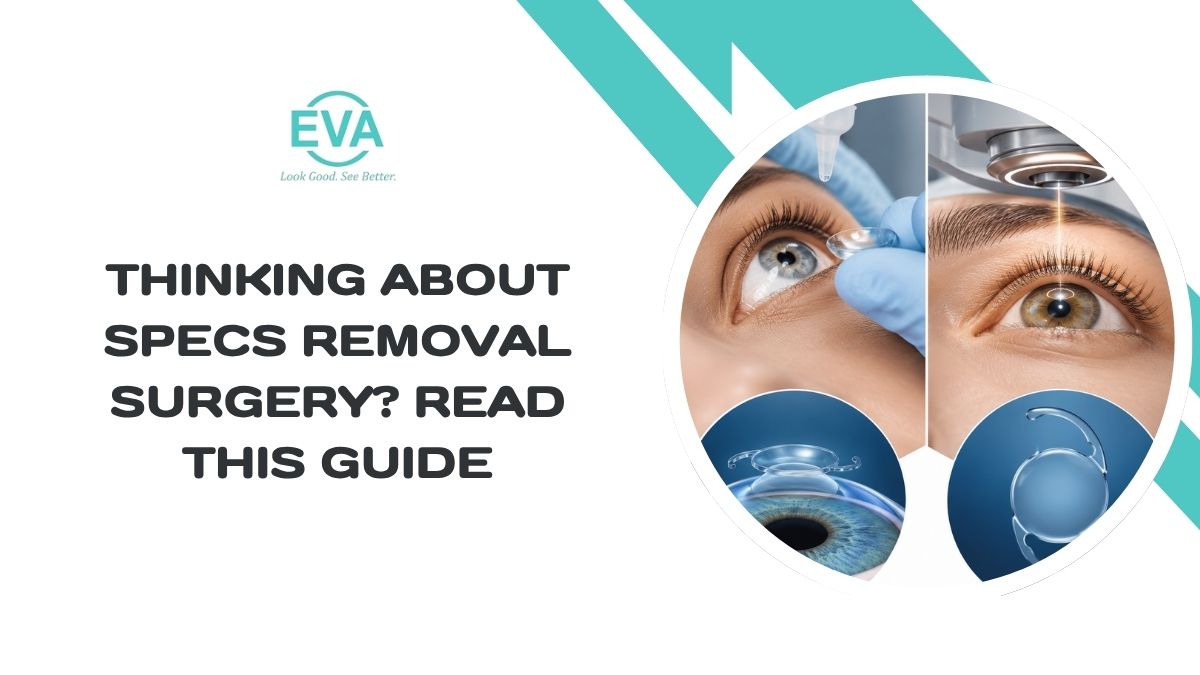
Procedures marketed as a laser eye lift include a spectrum from minimally invasive skin-tightening treatments to laser-assisted eyelid surgery. Core categories are:
Non-surgical skin-tightening (radiofrequency, HIFU)
Radiofrequency (RF) and high-intensity focused ultrasound (HIFU) stimulate collagen under the skin without cutting. These options are commonly used for mild sagging and periorbital wrinkling and are often described as a non-surgical eyelid lift Riyadh clients seek when downtime must be minimal.
Fractional ablative and non-ablative lasers
Fractional CO2 and Er:YAG lasers resurface skin, reduce fine lines, and tighten tissue; fractional non-ablative devices (e.g., 1540 nm) produce milder effects with faster recovery. These are appropriate for texture and skin laxity improvement rather than major eyelid repositioning.
Laser-assisted blepharoplasty and combined approaches
Laser blepharoplasty Riyadh clinics may offer laser incision techniques combined with traditional surgical techniques. When excess skin or fat removal is needed, surgical blepharoplasty—performed by an oculoplastic surgeon—remains the most predictable option for dramatic, long-lasting change.
How to decide: the EYE-LIFT DECISION FRAMEWORK (checklist included)
Use a simple decision framework to match treatment to goals and risk tolerance. The named framework below helps structure consultations.
- Evaluate: Document concerns (skin laxity, hooding, bags, wrinkles) and take photos in natural light.
- Yield expectations: List desired outcomes and acceptable downtime.
- Examine options: Compare non-surgical vs laser resurfacing vs surgical blepharoplasty.
- Learn clinic credentials: Verify surgeon training, equipment, and before/after records.
- Follow-up plan: Confirm post-procedure care, emergency contact, and revision policy.
Checklist: EYESAFE pre-visit
- E — Experience: Verify an oculoplastic surgeon or an ophthalmologist trained in eyelid surgery.
- Y — Yield: Ask to see cases with similar starting points and outcomes.
- E — Equipment: Confirm device models and maintenance records.
- S — Safety protocols: Local anesthesia, sterile environment, and emergency response.
- A — Aftercare: Written recovery timeline and follow-up appointments.
- F — Fees and revisions: Clear pricing and policy for complications or additional treatment.
- E — Expectations: Get a realistic written plan for results and number of sessions.
Real-world example: a common scenario in Riyadh clinics
A 45-year-old office worker with mild upper eyelid hooding and under-eye fine lines prefers minimal downtime. After evaluation, the clinic recommends two sessions of fractional non-ablative laser for skin tightening plus a radiofrequency treatment for collagen boost. Expected downtime is 2–5 days of redness and swelling, and visible improvement appears over 6–12 weeks. If hooding worsens, surgical blepharoplasty may be discussed later.
Costs, recovery, and realistic results
Costs vary widely by clinic, device, and provider expertise. Non-surgical eyelid lift Riyadh pricing will generally be lower than surgical blepharoplasty but often requires maintenance sessions. Recovery timelines:
- Non-ablative laser / RF: 1–7 days of mild swelling or redness.
- Fractional ablative laser: 5–14 days with peeling and protective skincare.
- Laser-assisted or traditional blepharoplasty: 1–3 weeks for most normal activity; several months for final refinement.
Realistic results: non-surgical and laser resurfacing improve texture and mild laxity. Significant excess skin or fat typically requires surgical blepharoplasty for durable correction.
Choosing a clinic in Riyadh: verification and safety
Check practitioner qualifications (oculoplastic surgeon, ophthalmologist with eyelid training, or certified plastic surgeon with eyelid specialization). Confirm that the clinic follows Saudi Ministry of Health rules and that devices are FDA-cleared or CE-marked when applicable. For authoritative information on blepharoplasty indications and risks, consult the American Academy of Ophthalmology resources: American Academy of Ophthalmology: Blepharoplasty.
Common mistakes and trade-offs
- Expecting surgical-level results from non-surgical treatments: trade-off between downtime and magnitude of change.
- Choosing a clinic based solely on price: lower cost may mean less experience or inferior equipment.
- Ignoring follow-up: inadequate aftercare increases complication risk and reduces outcome quality.
- Over-treating delicate eyelid skin with aggressive protocols that increase scarring risk.
Practical tips before booking a procedure
- Bring clear photos showing resting and smiling expressions; ask how the provider would address each concern.
- Request to see before-and-after images of similar cases and ask about complication rates and management.
- Plan downtime conservatively—allow extra days for swelling or unexpected delays.
- Ask about combination approaches; sometimes staged non-surgical treatments before or after surgery give better long-term results.
- Confirm a written aftercare plan and emergency contact for complications.
When to choose surgical blepharoplasty instead
If excess eyelid skin impairs vision, or if significant tissue removal is needed for a lasting result, surgical blepharoplasty remains the standard. Surgical options provide predictable contour change but come with longer recovery and higher upfront cost. Discuss the balance of risks, recovery time, and expected longevity during consultation.
Core cluster questions for further reading
- What are the main types of laser eyelid procedures available?
- How long is recovery after a laser blepharoplasty?
- What qualifications should an oculoplastic surgeon have?
- How does radiofrequency eyelid tightening compare to fractional CO2?
- What are realistic expectations and risks for eyelid laser treatments?
Conclusion: practical next steps
Start with the EYE-LIFT DECISION FRAMEWORK and the EYESAFE checklist when researching clinics in Riyadh. Schedule consultations focused on goals, safety, and documented outcomes. Prioritize provider experience and a clear follow-up plan over marketing language.
FAQ: What is the recovery time after a laser eye lift in Riyadh?
Recovery depends on the procedure: non-ablative treatments usually require 1–7 days; fractional ablative lasers 5–14 days; surgical blepharoplasty 1–3 weeks for routine activities. Individual healing varies with age, skin type, and treatment intensity.
Are non-surgical eyelid lifts safe and effective?
Non-surgical eyelid lifts can safely improve mild laxity and texture when performed by trained clinicians. Results are subtler and often require maintenance. Discuss risks like transient swelling, pigment changes, or undercorrection during consultation.
How to verify a clinic's qualifications in Riyadh?
Confirm the practitioner’s specialty (oculoplastic surgeon, ophthalmologist, or plastic surgeon with eyelid experience), ask for before-and-after photos of similar cases, verify device credentials, and ensure the clinic follows local licensing and sterilization standards.
Which procedure gives the most dramatic, long-lasting result?
Surgical blepharoplasty provides the most significant and durable correction for excess skin and fat. Laser and non-surgical options are effective for mild to moderate concerns and for patients who prefer less downtime.
How many sessions are usually needed for laser treatments?
Non-ablative and fractional laser programs often involve 2–4 sessions spaced weeks apart for optimal collagen remodeling; maintenance sessions may be recommended yearly depending on aging and sun exposure.