Fiji Non-Alcoholic Drinks Guide: Tropical Juices, Coconut Water & Kava
-

- Published Updated
- 1,611 views
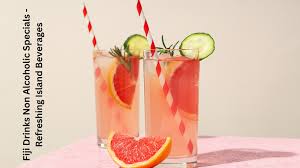
Visitors to the islands often seek refreshing, culturally meaningful options for hydration. This guide to non-alcoholic drinks in Fiji explains common beverages, what to expect when ordering, and practical tips for staying hydrated while respecting local customs.
- Common options include coconut water, fresh tropical fruit juices, brewed teas, and yaqona (kava).
- Yaqona is a traditional, non-alcoholic root drink with social and ceremonial importance.
- Ask about water safety at accommodations and follow local advisories from health authorities.
- One authoritative travel resource: Fiji Visitors Bureau.
Popular non-alcoholic drinks in Fiji
Coconut water and coconut milk
Coconut water is widely available and often served straight from young coconuts. It provides natural electrolytes and a light, slightly sweet flavor. Coconut milk—extracted from grated coconut meat—is used in cooking and some blended drinks; it is richer and creamier than coconut water.
Fresh fruit juices and smoothies
Tropical fruits such as pineapple, mango, papaya, banana, and passionfruit are common ingredients for freshly squeezed juices and blended smoothies. These are typical at market stalls, cafes, and resort menus. When purchasing, clarify whether ice is from filtered water and whether any syrups are added to control sugar content.
Yaqona (kava)
Yaqona, also known as kava, is a traditional Fijian beverage made from the ground root of the Piper methysticum plant. It is non-alcoholic but has sedative and anxiolytic properties that can cause numbness, relaxation, and temporary changes in coordination. Yaqona is central to many social and ceremonial occasions in Fiji; offering or sharing it can be a sign of respect. Some venues serve kava in specific communal settings—observe local customs and any stated guidelines before participating.
Herbal and hot beverages
Herbal teas and brewed drinks appear on some menus, often using local herbs and ginger. Hibiscus tea is common across the Pacific and is enjoyed both hot and iced. Hot beverages may be less common in tropical climates but are offered in cafes and lodges.
Where to find non-alcoholic beverages and what to expect
Markets, roadside stalls, and cafes
Fresh juices and coconut water are frequently sold at markets and roadside stalls near tourist areas. Small cafes and bakeries often offer a broader selection including smoothies and brewed teas. Expect differences in presentation—drinks may be served in plastic cups, reusable glasses, or directly from the coconut.
Resorts and restaurants
Hotels and restaurants typically list non-alcoholic options on their menus and may provide bottled water or water filtration at tap points. Many larger properties prepare mocktails and specialty non-alcoholic beverages aimed at travelers seeking variety.
Community and ceremonial settings
In villages and during formal ceremonies, yaqona is served following specific cultural protocols. Visitors should accept invitations respectfully and follow the lead of hosts; hosts or guides will usually explain the sequence. Participation is often optional, and asking beforehand about expectations is appropriate.
Safety, hygiene, and water guidance
Drinking water and ice
Tap water safety varies by location. Many resorts and modern accommodations provide treated tap water or bottled water for guests. For public stalls and markets, inquire whether ice and water are prepared from filtered sources. The World Health Organization (WHO) and the Fiji Ministry of Health and Medical Services provide guidance on water safety and food hygiene standards.
Food safety and allergies
Fresh fruit juices and blended drinks are best consumed where hygiene appears adequate—clean preparation surfaces, refrigerated ingredients, and ice from known sources. Those with allergies to nuts, coconut, or specific fruits should communicate needs clearly when ordering.
Tasting etiquette and cultural notes
Respecting local customs
Yaqona ceremonies follow established protocols; guests often clap, sit in order of arrival, and accept servings with both hands. For casual settings, sipping coconut water or sharing a juice at a market is informal. Politeness and asking questions about local customs are appreciated.
Seasonality and regional variety
Fruit availability can vary by island and season. Mangoes and papayas peak at different times of year, while coconuts are typically available year-round. Regional variations add to the range of non-alcoholic drinks encountered across Fiji.
Preparing local-style non-alcoholic drinks
Simple fresh juice
Many fruits require only peeling and blending. A basic practice is to combine fresh fruit with a splash of lime or coconut water and serve chilled. Avoid unregulated additives in informal settings by asking about ingredients.
Homemade coconut water serving
When served from a young coconut, a clean cut is made at the top and a straw inserted. Consuming directly from the coconut reduces contact with external containers and is a common, hygienic choice at stalls and beaches.
Yaqona preparation (overview)
Traditional preparation involves grinding or pounding the dried root and mixing with water, then straining into a communal bowl. Due to its psychoactive properties, observe local guidance and any stated limits on quantities when offered yaqona.
FAQs
What are the best non-alcoholic drinks in Fiji?
Popular choices include fresh coconut water, tropical fruit juices (pineapple, mango, papaya), herbal teas, and yaqona (kava) in ceremonial contexts. The best option depends on personal taste, location, and food-safety considerations.
Is kava an alcoholic drink?
No. Kava is not alcoholic; it is a traditional drink made from the yaqona root with sedative and relaxing effects. It is culturally significant and typically consumed in social or ceremonial settings.
Is it safe to drink tap water and ice in Fiji?
Water safety varies. Many resorts provide treated water, but at public stalls and smaller islands it is advisable to confirm whether ice and drinking water come from filtered or bottled sources. Refer to guidance from the Fiji Ministry of Health and the World Health Organization for current recommendations.
Can non-alcoholic drinks be ordered with food allergies in mind?
Yes. Communicate allergies clearly when ordering, and choose establishments that demonstrate clean handling practices. Fresh juices can be made without cross-contact if the preparer is informed.