How to Score Affordable Cars in Salvage Yards: A Practical Guide for Bargain Hunters
-

- March 06th, 2026
- 1,633 views
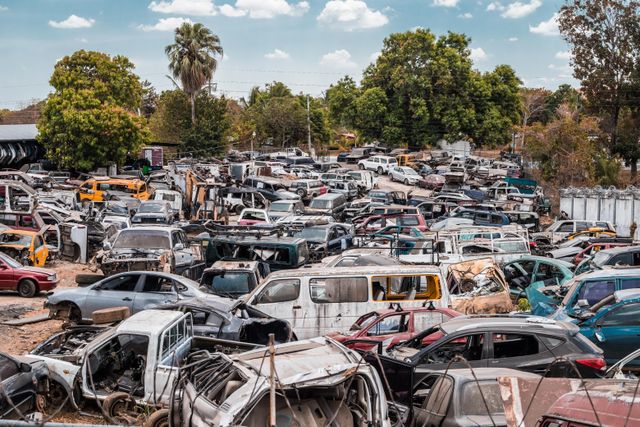
Searching for affordable cars in salvage yards can lead to significant savings for buyers who understand titles, inspections, and common pitfalls. This guide explains how to find bargain vehicles, evaluate their condition, and handle paperwork so purchases are safe and practical for repair or parts.
- Know title types (salvage vs. rebuilt) and check the VIN with official sources.
- Inspect for frame damage, engine condition, and missing parts; bring a mechanic when possible.
- Understand fees: towing, title transfer, inspections, and repair estimates.
Finding affordable cars in salvage yards: where to start
Begin by narrowing target makes and models that have readily available replacement parts and known repair costs. Use the vehicle identification number (VIN) to pull history reports and confirm past insurance totals. Government-managed databases and state motor vehicle agencies provide official title branding information; the National Motor Vehicle Title Information System (NMVTIS) is a useful federal resource for checking a vehicle’s branded-title history: NMVTIS.
Where to look and how yards differ
Types of salvage yards
Independent local yards often sell whole vehicles and parts directly to the public. Dealer-affiliated and large auction yards may handle many cars but restrict access or require registration. Some yards specialize in late-model vehicles; others focus on older, parts-only cars. Policies on sales, removal timelines, and payment vary.
Auctions and estate sales
Public salvage auctions can offer bargains but come with bidding competition and buyer fees. Preview days or online photo listings help identify vehicles worth visiting in person. Always factor in the cost of transporting a purchased car from the yard.
What to inspect before buying
Title and VIN checks
Confirm the exact VIN on the vehicle matches paperwork. Verify whether the title is branded "salvage," "rebuilt," or "junk," and check for liens. State motor vehicle departments and NMVTIS can provide authoritative information on title branding and history.
Structural and mechanical checks
Look for frame or unibody damage, which can be costly or unsafe to repair. Check engine and transmission condition, signs of fluid leaks, and electrical system damage. Missing critical components often reduce value dramatically. If possible, have a qualified mechanic perform or advise on a pre-purchase inspection.
Cosmetic and interior condition
Minor cosmetic issues may be inexpensive to fix, but water damage, mold, and widespread corrosion can make restoration infeasible. Inspect for airbag deployment and seat-belt integrity—these safety systems may require replacement after a crash.
Costs, paperwork, and registration
Anticipate total costs
Beyond the purchase price, budget for towing, repair parts, labor, inspection fees, state salvage inspections, and title transfer fees. Obtain rough estimates for major repairs before committing to a purchase so the final cost still represents a bargain.
Title transfer and legal requirements
State regulations dictate how salvage-branded vehicles may be registered and driven. Some states require a rebuilt title and passing a safety inspection before registration. Check the local department of motor vehicles for exact steps and required documentation.
Tips to get the best deals
Know market values and parts pricing
Research typical prices for the make, model, and year in repaired and parts-only conditions. Factor in the availability and cost of replacement parts—vehicles with common engines and shared components tend to be better bargains.
Inspect multiple yards and compare
Visit several salvage yards to compare prices and vehicle conditions. Some yards price cars for full repair while others price for parts sale; asking employees about a vehicle’s history can reveal helpful context.
Negotiate and walk away when needed
Yards may accept offers below listed prices, especially for cars that have been on the lot for a long time. Be prepared to walk away if repair estimates exceed reasonable expectations.
Safety, compatibility, and resale considerations
Safety first
Avoid vehicles with severe frame or structural damage unless repairs will be performed by a certified collision specialist. Restoring safety systems like airbags and seat-belts can be expensive and critical to roadworthiness.
Compatibility for parts donors
Confirm part interchangeability between model years and trims before buying a donor car. Some components are only compatible with specific engine codes or submodels, reducing the value of a parts car for certain projects.
Final checklist before buying
- Confirm VIN and title branding through official sources.
- Assess structural damage and estimate repair costs.
- Factor in towing, fees, inspection, and parts availability.
- Get a mechanic’s opinion when feasible and document all agreements.
When to consider alternative options
If repair costs, registration hurdles, or safety concerns outweigh purchase savings, consider buying a low-mile used car with a clean title or sourcing parts through online marketplaces instead of whole salvage vehicles.
Useful official resources
Consult state motor vehicle departments for specific title and registration rules. Federal resources such as the National Motor Vehicle Title Information System (NMVTIS) provide reliable title-history information that helps verify a vehicle’s past.
Frequently asked questions
How can I find affordable cars in salvage yards?
Search multiple yards, focus on makes with cheap parts, verify VIN and title history, inspect for structural and mechanical damage, and budget for towing and repairs. Use government vehicle history databases and consult a mechanic when possible.
What does a salvage title mean for resale value?
A salvage title usually reduces resale value significantly. A rebuilt title (after approved repairs and inspection) may recover some value but often remains below comparable clean-title vehicles. Disclosure rules vary by state.
Are salvage cars safe to drive after repairs?
Salvage cars can be safe if repaired correctly, especially when structural repairs and safety systems are restored by qualified technicians. State inspections and certifications may be required before registration.
Can a buyer get financing or insurance for a salvage vehicle?
Financing options are limited for salvage-titled vehicles; many lenders do not finance them. Insurance companies often restrict coverage or require inspections. Check with insurers and lenders about their policies before purchasing.
Where can official title and history information be checked?
State departments of motor vehicles and federal systems such as NMVTIS provide authoritative title and history records. These sources help confirm whether a vehicle has been branded as salvage, rebuilt, or junk.