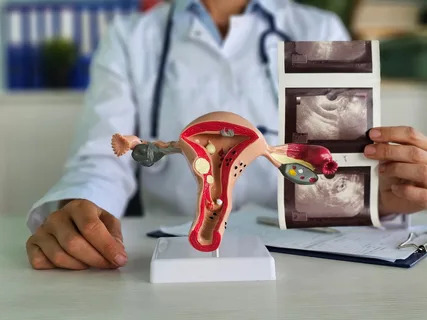
How to Find the Best Fertility Specialist in Sarjapur: Practical Steps and Criteria
-

- February 23rd, 2026
- 1,295 views

FREE SEO Topical Map Generator: Find Your Next Content Ideas
Finding a reliable fertility specialist in Sarjapur is an important step for individuals and couples exploring assisted reproductive technologies (ART) such as IVF, IUI, or donor services. The right specialist combines medical expertise, transparent practices, and supportive care tailored to each patient’s diagnostic profile and life circumstances.
- Check credentials (reproductive endocrinology training, obstetrics/gynecology qualifications, board recognition).
- Review clinic facilities, laboratory accreditation, and ART success rates adjusted for age.
- Confirm transparency on costs, diagnostic tests (AMH, FSH, semen analysis), and treatment timelines.
- Look for counselling services, patient reviews, and adherence to local regulations and ethical guidelines.
How to choose a fertility specialist in Sarjapur
Verify clinical credentials and training
Start by verifying formal qualifications relevant to fertility care. Specialists commonly hold degrees in obstetrics and gynecology (MD, DNB or equivalent) and additional training or fellowship in reproductive medicine or reproductive endocrinology. Membership in professional bodies—national or international reproductive medicine societies—can indicate ongoing education. Hospital affiliations and published research in peer-reviewed journals are additional credibility signals.
Ask about team composition and laboratory standards
Successful ART depends on both the clinician and the laboratory team. Inquire whether the clinic has an in-house embryology lab and whether the lab follows quality standards or holds accreditation such as NABL for laboratory processes or hospital accreditation like NABH. Confirm protocols for sperm and embryo handling, infection control, and equipment maintenance.
Key clinical and practical factors to evaluate
Diagnostic capabilities and individualized care plans
A comprehensive initial assessment should include ovarian reserve testing (AMH, FSH), pelvic ultrasound, tubal patency tests (HSG), and semen analysis for male partners. A fertility specialist should explain test results clearly, outline likely causes (age-related decline, ovulatory issues, tubal factors, male factor infertility), and propose a stepwise treatment plan with alternatives and expected timelines.
Experience with treatment types and outcome transparency
Different clinics and specialists may focus on IUI, IVF/ICSI, egg freezing, donor cycles, or surrogacy. Ask for clinic-level success rates and how they are reported—ideally stratified by patient age and diagnosis. Beware of unverified claims; outcome data should be realistic and should explain what ‘‘success’’ means (clinical pregnancy, live birth) and any exclusions used in reporting.
Cost, financing, and informed consent
Costs for diagnostic workups and ART cycles vary. Seek detailed, written estimates that list consultations, medications, monitoring scans, lab fees, embryo storage fees, and potential additional costs. Discuss payment structure, refund policies in the event of cycle cancellation, and whether the clinic provides written informed consent documents that explain risks and alternatives.
Patient experience and support services
Counselling, emotional support, and communication
Fertility treatment can be emotionally demanding. Clinics that offer or refer patients to counsellors, fertility coaches, or peer support groups can improve overall experience. Evaluate how the clinic communicates results and next steps—prompt, clear communication and accessible staff for queries are important.
Location, scheduling, and follow-up care
Convenience matters: assess travel time, parking, and typical waiting times for appointments. Clarify post-treatment follow-up routines, emergency contact procedures, and coordination with local obstetric services should pregnancy occur. For complex or high-risk pregnancies, ensure the specialist coordinates with tertiary centers if needed.
Regulatory and ethical considerations
Guidelines, consent, and donor policies
Fertility services operate under national regulations and ethical guidelines that cover donor anonymity, gamete handling, and record-keeping. In India, national guidelines and ethical frameworks for assisted reproduction are issued by authorities such as the Indian Council of Medical Research (ICMR). Review a clinic’s donor screening, legal consent processes, and record-retention policies. For more information on national guidelines, consult the ICMR website: https://www.icmr.nic.in/.
Second opinions and referrals
Seeking a second opinion is reasonable when diagnoses are unclear, when proposed treatments are costly or invasive, or when outcomes seem inconsistent with published standards. A reputable specialist will support referrals and provide medical records promptly for review.
Practical checklist before selecting a specialist
- Confirm specialist’s qualifications and fellowship/training in reproductive medicine.
- Ask for age-stratified success rates and how they are measured.
- Verify laboratory accreditation and quality assurance procedures.
- Request a detailed cost estimate and written consent forms.
- Assess availability of counselling and patient education resources.
- Read recent patient reviews and ask for testimonials or references if available.
When to consider changing specialists
Signs to evaluate a change
Consider a different specialist if communication is poor, treatment decisions are not clearly explained, success rates appear inconsistent with published norms, or if clinic hygiene and lab standards raise concerns. Transferring care is common; ensure smooth transfer of records and continuity of care.
Frequently asked questions
How do I choose a fertility specialist in Sarjapur?
Prioritize verified clinical credentials, laboratory quality, transparent success metrics, clear cost estimates, and supportive patient services. Confirm that testing (AMH, semen analysis, ultrasound) and counselling are offered and that the clinic follows national guidelines.
What tests should a fertility specialist recommend first?
Initial tests usually include ovarian reserve assessment (AMH, FSH), pelvic ultrasound, semen analysis, and, where indicated, tubal patency testing. The exact panel depends on medical history and physical examination findings.
Are clinic success rates comparable across centres?
Success rates vary with patient age, diagnosis, and case mix. Compare age-stratified results and clarify whether rates represent clinical pregnancies or live births. Transparent reporting and willingness to explain metrics are important.
How important is embryology lab accreditation?
Highly important. A well-managed embryology lab with quality-control systems reduces risks to gametes and embryos. Look for clinics that follow national laboratory standards and document quality assurance measures.
When should a second opinion be sought?
Seek a second opinion for unclear diagnoses, unexpected failed cycles without satisfactory explanation, or when recommended treatments are invasive or expensive. A second opinion can confirm the plan or suggest alternative approaches.