Five Nights at Freddy's Story: Origins, Lore, and Cultural Impact
-

- Published Updated
- 1,693 views
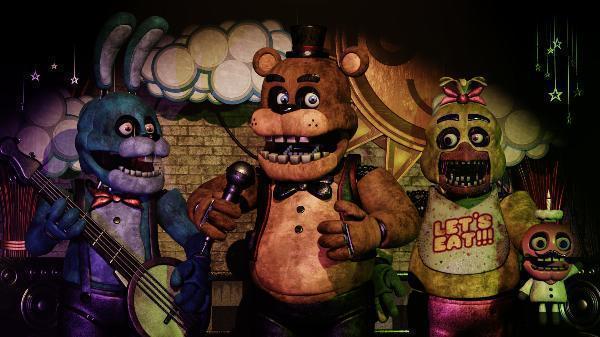
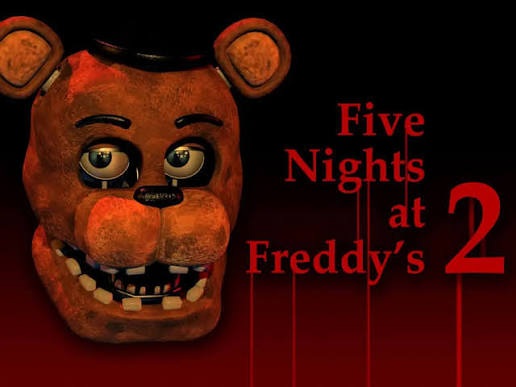
The Five Nights at Freddy's story began with a low-budget indie horror game that introduced a distinctive mixture of animatronic monsters, fragmented timelines, and community-driven interpretation. The franchise's narrative is told across multiple video games, novels, and other media, creating a layered lore that has been debated and expanded by players, critics, and scholars.
- Origins: Created by a single developer, the initial game focused on a security guard surviving hostile animatronics.
- Lore: Story elements are revealed indirectly through gameplay, miniatures, and cryptic in-game content.
- Expansion: The franchise grew into sequels, spin-offs, novels, and a film adaptation.
- Impact: Notable for its fan community, cultural reach, and debates about content suitability for younger players.
Five Nights at Freddy's story and origins
The first game in the series established a simple premise: players assume the role of a night security guard at a family-oriented entertainment venue where animatronic characters become hostile after hours. The immediate gameplay loop—monitoring cameras, conserving power, and reacting to threats—served as a vehicle for a deeper, more ambiguous narrative. Many story details are implied rather than stated directly, encouraging players to piece together events and motives from environmental clues, audio logs, and hidden sequences.
Creation and developer
The franchise began as an independent project developed by a single game designer and released on digital distribution platforms. The developer's approach combined classic point-and-click mechanics with survival-horror tension, and relied on minimal exposition. This design encouraged community analysis and speculation about the underlying events that led to the game's unsettling setting.
Premise and early themes
Common themes in the early titles include malfunctioning machinery, the consequences of past tragedies, and unreliable narration. Characters referred to in the series include employees, children, and the animatronics themselves. Much of the narrative resonance comes from the contrast between the venue's intended family-friendly image and the darker incidents suggested by the game's environments.
Lore, characters, and storytelling methods
Fragmented timelines and hidden details
Storytelling frequently uses non-linear timelines, secret minigames, and ambiguous cutscenes. Names, dates, and small environmental details are integral to fan efforts to reconstruct a coherent chronology. This approach to narrative — where players must assemble the story from fragments — has become a defining characteristic of the franchise.
Animatronics as characters
Animatronic characters function both as gameplay antagonists and as carriers of plot information. Each animatronic is associated with particular behaviors and backstory elements that contribute to the overall mystery. The interplay between mechanical menace and human tragedy is a recurring motif.
Expansion into other media and adaptations
Novels and extended fiction
To reach broader audiences, the universe expanded into officially published novels that reimagine or expand on key themes from the games. These works offer more linear narratives and new perspectives while preserving the franchise's core elements, such as eerie locations and ambiguous histories.
Film and mainstream attention
Interest from mainstream media led to plans for film adaptations, which introduced the series to audiences beyond gaming communities. Adaptations often reinterpret or streamline complex lore to suit different formats, prioritizing accessible plotlines over the fragmented storytelling found in the games.
Cultural impact and community role
Fan community and theorycrafting
A highly active fan base has contributed to the franchise's longevity. Community members analyze hidden content, produce timeline theories, and create fan works that further explore characters and events. This participatory culture has shaped how the story is understood and has driven continued interest in new releases.
Content ratings and suitability
Because the series combines horror themes with an association to child-centered settings, questions about age-appropriateness are common. Game content is typically assessed by industry bodies such as the Entertainment Software Rating Board (ESRB), which provides age and content descriptors to guide consumers and parents. For official guidance on ratings and content descriptors, see the ESRB website: ESRB.
Why the story continues to matter
The franchise's narrative design — blending minimal explicit exposition with rich, discoverable detail — has influenced other creators and encouraged new forms of fan engagement. Its combination of horror, mystery, and myth-making has generated academic interest in areas such as transmedia storytelling, participatory fandom, and the ethics of portraying violence in media aimed at a mixed-age audience.
Scholarly work on participatory fandom and transmedia narratives can provide additional context for how fragmented game narratives encourage collective meaning-making. Industry regulators and rating organizations offer guidance on content suitability.
What is the Five Nights at Freddy's story?
The core story centers on a haunted entertainment venue where animatronic figures and a series of past incidents form a mystery that players uncover through gameplay, hidden scenes, and environmental clues. Different entries and adaptations present variations on that core premise.
Who created the franchise?
The original game was developed by an independent designer whose early release established the gameplay mechanics and atmospheric approach that defined subsequent sequels and spin-offs.
Are there official novels and a film adaptation?
Yes. Officially published novels expand the narrative in novelized form, and a film adaptation process has brought elements of the franchise to broader audiences in a different medium.
How can someone follow the ongoing lore?
Following official releases, developer statements, and community discussions helps track new lore developments. Because much of the narrative is intentionally ambiguous, community analysis and shared timelines are common ways to follow evolving interpretations.
Is the series suitable for children?
Suitability depends on age and sensitivity to horror themes. Industry ratings and content descriptors from organizations such as the ESRB provide specific guidance; caregivers should consult those ratings when making decisions for minors.
![Anomaly: The Rotting World [v0.1] – Game Overview](https://indibloghub.com/public/images/courses/6a42323801101189_1782723128.jpg)