Flash Games: Quick, Classic Fun That Never Gets Old
-

- Published Updated
- 3,811 views
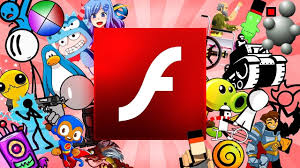
Flash Games helped define an entire generation of online entertainment. Before mobile gaming and massive multiplayer platforms became the norm, players could open a browser, choose a game, and start playing within seconds. From addictive arcade challenges to clever puzzle adventures, Flash Games offered an incredible variety of experiences that were easy to learn and difficult to put down.
Even today, the style and spirit of these games remain popular. Their simple mechanics, memorable characters, colorful graphics, and short gameplay sessions continue to attract both longtime fans and new players discovering classic browser games for the first time.
What Made Flash Games So Popular?
flash games became popular because they removed many of the barriers between players and entertainment. You did not need a powerful gaming computer or a large installation. In many cases, all you needed was a web browser and a few minutes of free time.
The controls were usually straightforward. Arrow keys, WASD, the mouse, or a few simple keyboard commands were enough to control most games. This made Flash Games accessible to players of different ages and experience levels.
Another major advantage was variety. Thousands of games were created across countless genres, meaning there was almost always something new to try. A player could spend a few minutes playing a racing game and then immediately switch to a puzzle, platformer, strategy game, or action title.
A Genre for Every Type of Player
One of the most impressive aspects of the Flash era was the diversity of gameplay.
Action and Arcade Games
Arcade-style Flash Games were designed around quick reactions and simple objectives. Players might need to dodge obstacles, defeat enemies, collect items, or survive for as long as possible.
These games often used increasing difficulty to keep players engaged. The first few moments might feel easy, but faster enemies, more complicated obstacles, or increasingly demanding levels would eventually test your reflexes.
Racing Games
Racing was another popular category. Flash racing games allowed players to compete on tracks, avoid traffic, perform stunts, or simply see how quickly they could reach the finish line.
Many of these games focused more on immediate fun than realistic simulation. Cars could jump over ramps, drift around sharp corners, or race through unusual environments. Their exaggerated gameplay made them entertaining even when the graphics were relatively simple.
Puzzle Games
Puzzle titles demonstrated that Flash Games did not always need fast action to be addictive. Many challenged players to recognize patterns, move objects, match items, or figure out the correct sequence of actions.
The best puzzle games gradually introduced more difficult challenges. A level might look simple at first, but solving it could require careful observation and experimentation.
Platform Games
Platformers were particularly well suited to browser gaming. Players typically controlled a character through levels filled with platforms, enemies, traps, and collectibles.
The basic objective was easy to understand: move forward, avoid danger, and reach the end. However, successful platforming often required precise timing. Jumping too early or too late could send the character back to the beginning of a level.
Simple Mechanics, Addictive Gameplay
A common misconception is that simple graphics or controls automatically mean a game is less engaging. Flash Games proved the opposite.
Many classic browser games were built around one strong gameplay idea. Instead of overwhelming players with complicated systems, they focused on making that central mechanic enjoyable.
For example, a game might revolve around jumping over obstacles. At first, the challenge is easy. As the game continues, obstacles appear faster and gaps become harder to judge. Suddenly, a mechanic that seemed incredibly basic becomes surprisingly addictive.
This design philosophy is one reason many Flash-style games remain enjoyable. Players understand what they need to do almost immediately, but mastering the challenge can take much longer.
Why Short Sessions Work So Well
Flash Games were perfect for short gaming sessions. A player could finish a level in a few minutes, beat a high score, or simply play until losing.
This structure made them especially convenient for people looking for entertainment without committing to a long gaming session.
Short gameplay loops can also encourage repeated attempts. If you fail after several minutes, starting again does not feel like a huge investment. You already understand the mechanics, so you can immediately try to improve your performance.
That creates a satisfying cycle:
Play → Fail → Learn → Try Again → Improve
The simplicity of this cycle is one of the strongest characteristics of classic browser games.
The Importance of High Scores
High-score systems played an important role in many Flash Games. Even when a game had only a few levels, achieving a better score could give players a reason to return.
A high score transformed a simple challenge into a personal competition. You might initially be satisfied with reaching 1,000 points, but after improving your skills, you could start aiming for 2,000 or more.
Some games also encouraged players to compete with friends. Comparing scores added another layer of motivation without requiring complicated multiplayer systems.
Discovering New Games
Part of the excitement of the Flash era came from discovering something unexpected.
Players could browse a collection of browser games and encounter titles they had never heard of before. One game might feature a strange concept, unusual character, or completely unexpected gameplay mechanic.
Because many games were small and easy to access, trying something new involved very little risk. If you did not enjoy a game, you could simply move on to another one.
This created an enormous culture of experimentation. Players were constantly discovering hidden favorites and sharing them with friends.
Flash Games and Creativity
The Flash platform also gave creators an opportunity to experiment with ideas that might not have worked in larger commercial games.
Independent developers could create unusual concepts, humorous adventures, experimental puzzles, and unique arcade challenges. Some games were polished and sophisticated, while others were intentionally strange or comedic.
That freedom contributed to the distinctive personality of the Flash era. Not every game needed to appeal to a massive audience. A small game built around one creative idea could still attract a dedicated group of players.
Memorable Art and Sound
Flash Games often had recognizable visual styles. Some used colorful cartoon graphics, while others relied on minimalist designs, pixel-inspired artwork, or hand-drawn animations.
Sound was equally important. Simple sound effects could make jumping, collecting coins, completing levels, or defeating enemies feel much more satisfying.
Because these games were often designed around strong visual and audio feedback, even basic actions could feel rewarding.
The Nostalgia of Classic Browser Gaming
For many players, Flash Games are closely connected with memories of growing up online. They represent a period when discovering a new game could be as simple as browsing a website and clicking a thumbnail.
The nostalgia is not only about the technology. It is also about the experience surrounding it.
Players remember favorite characters, difficult levels, funny animations, unusual game concepts, and the excitement of showing a new discovery to friends. These memories help explain why classic browser games continue to receive attention long after the original Flash platform disappeared.
How to Enjoy Flash-Style Games Today
Although the original Flash technology is no longer supported by modern browsers, many classic games and Flash-inspired experiences remain available through preservation projects and modern browser-game platforms.
Players can also find newer games that use the same design philosophy. These titles may feature updated graphics or modern technology, but their core ideas remain familiar: simple controls, quick sessions, clear objectives, and addictive gameplay.
For players who grew up with browser games, this provides an opportunity to revisit familiar styles. For newcomers, it offers a chance to experience why simple online games became such an important part of gaming history.
Tips for Getting the Most Out of Flash Games
If you are exploring classic or Flash-inspired games, start with genres you already enjoy. Racing fans can look for fast arcade driving challenges, while puzzle fans may prefer logic and matching games.
Do not worry about mastering everything immediately. Many games are designed around experimentation. Try different approaches, learn from mistakes, and gradually improve.
It is also worth exploring different genres. A game that looks unusual at first may become one of your favorites once you understand its mechanics.
Most importantly, focus on having fun. Flash Games were never defined by complicated systems or massive budgets. Their appeal came from creativity, accessibility, and the simple pleasure of playing.
Why Flash Games Still Matter
Flash Games played an important role in the development of online gaming. They showed that a browser could be more than a tool for reading websites or checking information. It could also become a place for interactive entertainment.
They introduced players to countless genres, helped independent creators experiment with new ideas, and established gameplay traditions that continue to influence browser and mobile games today.
Their greatest strength was perhaps their simplicity. You could discover a game, understand its controls within moments, and immediately start having fun.
That formula remains powerful.
Whether you are returning to browser gaming because of nostalgia or discovering the genre for the first time, Flash Games offer a huge collection of memorable experiences. Their combination of accessible controls, creative concepts, quick sessions, and addictive challenges explains why the golden age of browser gaming continues to inspire players today.