Why Flat Poly Bags Are Ideal for Industrial Packaging: Benefits and Uses
-
- February 23rd, 2026
- 1,472 views

FREE SEO Topical Map Generator: Find Your Next Content Ideas
Flat poly bags are a common choice for industrial packaging because they offer a combination of protection, versatility, and cost-efficiency. These simple polyethylene pouches are used across manufacturing, distribution, and storage operations to contain, protect, and identify parts and products.
- Flat poly bags provide moisture resistance, dirt protection, and lightweight containment for industrial goods.
- Available in different polyethylene grades (LDPE, HDPE) and thicknesses to match strength and clarity needs.
- Compatible with automated packaging lines and manual handling; can include features such as static-dissipative or barrier layers.
- Cost-effective compared with rigid containers; recycling and regulatory considerations vary by material and local programs.
Flat poly bags: advantages for industrial applications
Flat poly bags deliver several practical advantages for industrial operations. Their primary benefits include low weight, consistent barrier properties against dust and light moisture, and adaptability to a wide range of shapes and sizes. Polyethylene construction offers tear resistance and flexibility that reduces breakage risk during handling and transport.
Materials, grades, and properties
Polyethylene types
Flat poly bags are commonly produced from low-density polyethylene (LDPE) or high-density polyethylene (HDPE). LDPE typically provides greater flexibility and clarity, while HDPE delivers higher stiffness and puncture resistance. Film formulations and thickness (measured in mils or microns) are selected to balance cost, strength, and clarity for the intended application.
Specialized films and treatments
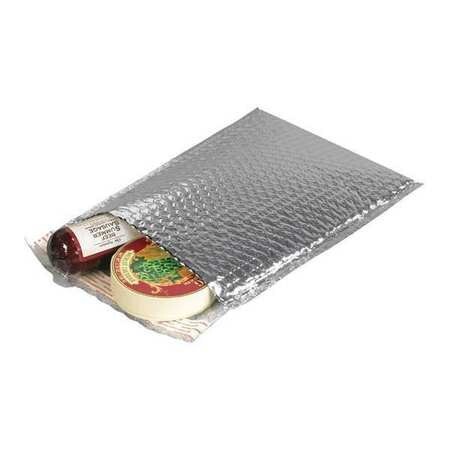
For applications requiring additional performance, flat poly bags can incorporate co-extruded layers, anti-static additives, UV stabilizers, or barrier coatings. Static-dissipative or metallized barrier films are options when moisture, oxygen, or electrostatic discharge must be controlled.
Design and compatibility with industrial systems
Sizing, sealing, and printing
Flat poly bags are manufactured in a wide range of widths and lengths and are typically heat-sealed or taped shut. Printing and labeling can be applied during production for part numbers, lot codes, or handling instructions. High-contrast printing supports warehouse scanning and inventory control systems.
Automation and handling
Flat poly bags are compatible with many packaging machines such as baggers, sealers, and labeling systems. Their uniform flat form factor simplifies automated feeding and reduces changeover complexity compared with more complex bag styles.
Protection, storage, and transport considerations
Barrier performance
Flat poly bags provide effective barriers to dust and light moisture, helping preserve product cleanliness and appearance. For products sensitive to oxygen or humidity, specialized barrier films or desiccant inclusion may be necessary.
Stacking and palletization
When stacked or palletized, flat poly bags reduce void space compared with rigid packaging, enabling denser shipment configurations. Careful selection of film strength and pallet stabilization methods helps prevent punctures and shifting during transport.
Cost, sustainability, and regulatory context
Cost-efficiency
Flat poly bags are typically less expensive than rigid containers on a per-unit basis and reduce freight costs due to lower weight and compact packing. Material costs vary with film grade, thickness, and any specialized additives.
Recycling and environmental considerations
Polyethylene films are recyclable where local programs accept flexible packaging, but availability varies. Recycling streams and drop-off programs are managed regionally; industry guidance and environmental assessments often reference regulators such as the U.S. Environmental Protection Agency (EPA). For guidance on plastics and local recycling options, consult the EPA: EPA.
Standards and safety
Material and testing standards from organizations like ASTM International and ISO provide benchmarks for tensile strength, puncture resistance, and barrier performance. Workplace handling and labeling should align with occupational safety guidance from national regulators such as OSHA when hazardous contents are packaged.
When to choose flat poly bags over alternatives
Appropriate use cases
Flat poly bags are well suited for parts containment, small assemblies, sample packaging, and cleanroom-compatible applications where lightweight, low-cost protection is required. They are often chosen for secondary packaging, kitting, and for shipping non-fragile components.
Limitations
They are less appropriate when rigid protection is needed for fragile items, when contents exert sharp-point stress on the film, or when long-term outdoor exposure and extreme barrier properties are required without additional treatments.
Procurement and specification tips
Key specs to request
When specifying flat poly bags, request material type (LDPE/HDPE), film gauge, width and length tolerances, seal type, printing requirements, and whether additives (anti-static, UV) are needed. Including performance tests such as ASTM tear or puncture values can ensure consistent quality.
Supplier validation
Request material certifications and sample runs to confirm fit with packing equipment and product protection needs. Verification against relevant ASTM or ISO test methods supports long-term reliability.
FAQ
How are flat poly bags used in industrial packaging?
Flat poly bags are used to enclose and protect parts, components, and finished goods during storage, kitting, and shipment. They are available in various sizes and films to meet mechanical and barrier needs and can be printed for identification and traceability.
What materials are flat poly bags made of?
Most flat poly bags are made from polyethylene, typically LDPE or HDPE. Specialty films can include multi-layer co-extrusions, anti-static treatments, or barrier layers depending on protection requirements.
Are flat poly bags recyclable?
Recyclability depends on local programs and the specific film type. Polyethylene film may be accepted at film recycling drop-off locations, but multilayer or metallized films can complicate recycling streams. Consult regional recycling guidelines for definitive information.
Do flat poly bags meet industrial standards?
Compliance depends on material selection and testing. Suppliers can provide certificates and test data referencing standards from ASTM International or ISO. For hazardous or regulated goods, follow applicable regulatory requirements and safety guidance from authorities such as OSHA or other national bodies.