How Can a Logistics Aggregator Simplify Business Shipping?
-
- Published Updated
- 4,550 views
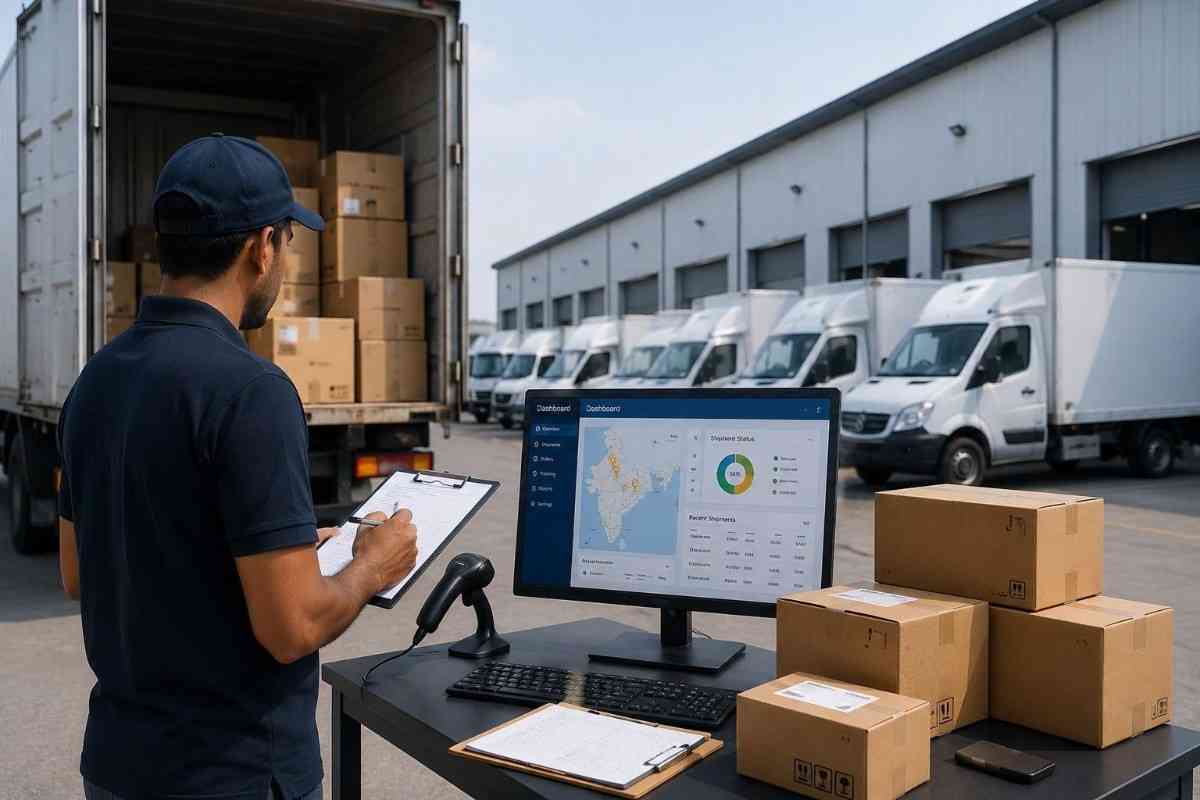
A Logistics Aggregator helps businesses manage multiple courier services through a single platform. Instead of handling different systems separately, companies can control shipping, tracking, and returns from one dashboard. This reduces operational complexity and improves efficiency.
As eCommerce continues to grow, businesses are handling customers from different cities and regions. This means shipping is no longer just about sending a package from one location to another. Businesses also need to consider courier availability, delivery timelines, shipment visibility, customer communication, returns, and payment-related requirements.
A centralized logistics approach can help businesses organize these activities more effectively. It allows sellers to work with multiple courier options while maintaining a more consistent process for daily shipping operations.
Why Do Businesses Need Multiple Courier Options?
Different couriers perform better in different regions and price ranges. Some may have stronger serviceability in metropolitan areas, while others may provide suitable options for specific locations or delivery requirements.
Using multiple options allows businesses to choose the best service for each order based on factors such as destination, package weight, delivery speed, service availability, and shipping cost. This flexibility can help improve delivery performance while preventing businesses from becoming completely dependent on a single courier provider.
Multiple courier access can also be useful when a particular delivery partner has limited serviceability in a specific location. Businesses can consider an alternative option instead of delaying the shipment.
How Does Centralized Shipping Help?
A centralized system allows businesses to create shipments, generate labels, and track deliveries in one place. This reduces manual work, avoids confusion, and saves time in daily operations.
Without a centralized system, logistics teams may need to maintain separate courier accounts and repeatedly move between different dashboards. As shipment volumes increase, this can become difficult to manage and may lead to unnecessary administrative work.
A unified workflow can make it easier to organize order information, monitor shipment status, and manage delivery activities. It can also help teams maintain better consistency across different courier partners.
How Does It Improve Customer Experience?
Real-time tracking helps businesses answer customer queries like order status and delivery time quickly. Better visibility leads to improved trust, fewer complaints, and higher satisfaction.
Customers generally want to know whether their order has been picked up, where it is currently located, and when it may arrive. Clear tracking information gives them greater visibility throughout the delivery journey.
For businesses, tracking also provides useful operational information. Teams can identify delayed shipments, unsuccessful delivery attempts, or other exceptions and take appropriate action instead of waiting for customers to report an issue.
Better communication during delivery can contribute to a smoother post-purchase experience.
What Role Does COD Play?
Cash on Delivery is still widely used in eCommerce. A reliable cod courier service helps businesses manage payment collection, tracking, and settlement efficiently, reducing financial risks.
COD orders require additional coordination because the delivery process is connected with payment collection. Businesses need to know whether an order has been successfully delivered, whether the expected payment has been collected, and how the collected amount is being processed.
Tracking becomes particularly important for these shipments. If a COD order faces a delay or unsuccessful delivery attempt, businesses can monitor the situation and take timely action.
A structured process can also make it easier to maintain accurate payment records and reduce manual reconciliation.
How Can Businesses Improve Order Fulfillment?
Automation in shipping systems helps reduce manual errors and speeds up order processing. This ensures faster dispatch and smoother fulfillment during high order volumes.
Manual shipment creation can become repetitive when businesses receive hundreds or thousands of orders. Teams may need to enter customer details, generate labels, assign couriers, and update shipment information.
Technology-driven logistics systems can simplify many of these activities. Automation can reduce repetitive tasks and allow businesses to process orders more consistently.
Faster order processing is particularly useful during sales events, seasonal demand, or periods when shipment volumes increase suddenly.
Why Is Tracking Important?
Tracking data helps businesses understand delivery performance, delays, and courier efficiency. This information supports better decision-making and improved logistics planning.
Businesses can use shipment information to identify recurring delivery problems. For example, if shipments to a particular region frequently experience delays, the business can review its available courier options and consider a more suitable delivery strategy.
Tracking also supports customer service. Support teams can provide more accurate updates without having to contact different courier companies for every individual shipment.
Why Is Return Management Important?
Returns are common in online business. A centralized system makes it easier to track return pickups, monitor status, and manage reverse logistics efficiently.
Managing returns separately with different courier companies can create additional work. Teams may need to coordinate pickup schedules, monitor returned packages, and update customers manually.
A centralized approach provides better visibility into the return journey. Businesses can monitor whether a return request has been processed, whether the pickup has occurred, and whether the package has reached the appropriate destination.
Efficient return management can also help businesses improve customer communication and reduce unnecessary delays.
How Can Businesses Control Shipping Costs?
By comparing multiple courier options, businesses can choose cost-effective services based on weight, distance, and delivery speed. This helps optimize overall shipping expenses.
Shipping costs can vary depending on the destination, package dimensions, service type, and courier network. Using the same courier for every shipment may not always be the most practical approach.
Businesses can review their shipping data and understand which delivery options work best for different types of orders. This can help them make more informed decisions rather than focusing only on the lowest advertised shipping rate.
Cost management should also consider delivery reliability, tracking, customer support, and the potential impact of failed deliveries or returns.
Why Is Scalability Important?
As businesses grow, order volume increases. A scalable logistics system supports multiple couriers, higher shipments, and new locations without disrupting operations.
A shipping process that works for a small business may become difficult to maintain when order volumes increase significantly. More orders mean more tracking updates, delivery exceptions, customer queries, and returns to manage.
A centralized logistics setup can provide the flexibility needed to handle this growth. Businesses can expand their delivery operations without creating completely separate systems for every courier or location.
This can be particularly valuable for eCommerce sellers, D2C brands, startups, and retailers entering new markets.
What Should Businesses Look for in a Logistics Platform?
Key factors include multi-courier support, COD handling, tracking accuracy, return management, and scalability. Reliability and support quality are as important as cost.
Businesses should also consider delivery coverage, technology integrations, reporting capabilities, serviceability, and the ease of managing shipments.
Choosing a logistics platform only because it offers a low shipping rate may not always produce the best long-term results. Businesses should evaluate the overall value provided by the platform and whether it can support their operational requirements as they grow.
How Can Data Support Better Logistics Decisions?
Shipping platforms can generate useful operational data. Businesses can review delivery timelines, shipment volumes, courier performance, return rates, and delivery exceptions.
This information can help identify areas where logistics operations can be improved. Instead of making decisions based only on assumptions, businesses can use actual shipping performance to understand what is working and where adjustments may be needed.
Data can also support future planning. As businesses expand into new cities or experience higher order volumes, historical shipping information can help them prepare more effectively.
How Shipdaak Helps
Shipdaak provides a centralized logistics platform that connects businesses with multiple courier partners. It helps manage shipments, tracking, COD orders, and returns from one system, improving efficiency and control.
By combining multiple courier options with technology-driven shipping management, Shipdaak supports businesses in organizing their logistics operations and maintaining better shipment visibility.
The centralized approach can be useful for businesses that want to reduce repetitive coordination while managing growing delivery requirements.
Conclusion
A Logistics Aggregator simplifies shipping by combining couriers, tracking, and order management into one platform. This helps businesses reduce complexity, improve delivery performance, and scale operations effectively.
For COD-based businesses, a trusted cod courier service supports payment collection and delivery management while providing better visibility into shipment status and payment-related processes.
As eCommerce continues to expand, businesses need shipping systems that can adapt to increasing order volumes and changing customer expectations. A centralized and scalable logistics approach can help businesses manage multiple courier options, improve operational efficiency, control shipping costs, and provide customers with a more reliable delivery experience.
With the right technology and logistics strategy, businesses can spend less time managing fragmented shipping processes and more time focusing on customer satisfaction and sustainable growth.