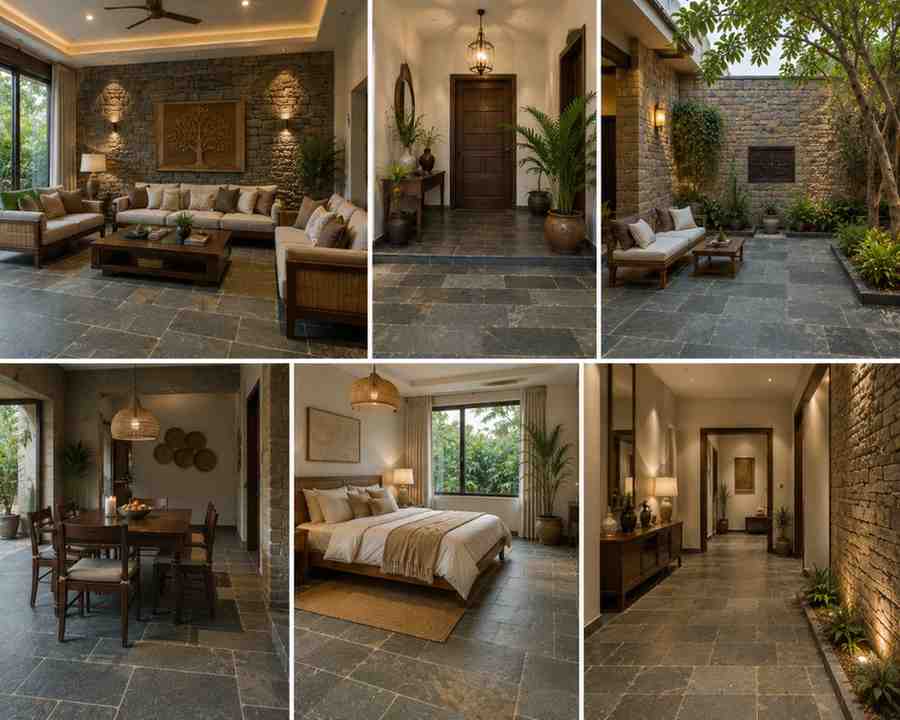
How to Choose the Right Flooring for Every Room in Your Home
-

- September 28th, 2026
- 44 views

Choosing flooring is an important part of designing or renovating a home. The right floor needs to complement the interior style while also handling the practical demands of each space. A living room may require an elegant and durable surface, while a bathroom needs flooring that can handle moisture and provide good underfoot grip.
With so many tiles, stones, finishes, colors, and patterns available, homeowners can easily feel overwhelmed. Instead of selecting flooring based only on appearance, it is useful to consider factors such as durability, maintenance, moisture exposure, foot traffic, safety, and budget.
This guide explains how to approach flooring selection room by room so you can create a home that is both attractive and practical.
Consider the Purpose of Each Room
There is no single flooring material that works perfectly for every part of a home. Start by considering how each room is used.
Ask yourself:
- How much foot traffic does the area receive?
- Is the floor likely to come into contact with water?
- How frequently will it need cleaning?
- Does the room receive direct sunlight?
- Is comfort or easy maintenance more important?
- What interior style are you trying to create?
Answering these questions can narrow down the available options considerably.
Flooring for the Living Room
The living room is often one of the most visible areas of a home, so appearance and durability are both important.
Large-format tiles can create a spacious appearance, while natural stone can add texture and character. Porcelain and vitrified tiles are also popular choices because they are available in many colors, patterns, and finishes.
For a contemporary living room, neutral shades and stone-inspired surfaces can create a clean appearance. Homes with a more traditional design may benefit from patterned or handcrafted flooring.
Before selecting a material, consider the amount of furniture and daily activity in the room. A floor that is attractive but difficult to maintain may not be practical for a busy household.
Choosing Flooring for Bedrooms
Bedrooms generally have lower foot traffic than living areas, so homeowners have more flexibility when choosing flooring.
The flooring should contribute to a comfortable and relaxing atmosphere. Wood-look tiles, muted ceramic or porcelain tiles, and other understated finishes can work well with different bedroom styles.
Color also matters. Light flooring can make a smaller bedroom appear more open, while warmer shades can create a more intimate atmosphere.
If you use rugs in the bedroom, choose flooring that complements rather than competes with them.
Flooring for Kitchens
Kitchen floors have to deal with frequent cleaning, spills, food particles, and considerable daily activity.
Porcelain and other durable tile options can be practical choices for kitchens. When selecting kitchen flooring, pay attention to the surface finish and cleaning requirements.
Some useful considerations include:
- Resistance to everyday stains
- Ease of cleaning
- Durability under regular foot traffic
- Appropriate slip resistance
- Compatibility with kitchen cabinets and countertops
A neutral floor can provide a flexible foundation if you plan to change your kitchen colors or furniture in the future.
Flooring for Bathrooms
Bathrooms require a different approach because water and humidity are major considerations.
Select flooring designed for areas where moisture is present and pay attention to the surface characteristics. Extremely smooth surfaces may not be appropriate for areas that frequently become wet.
The size and layout of the bathroom should also influence your choice. Smaller tiles can provide more grout lines, while larger formats can create a cleaner visual appearance. Your installer should also ensure that the floor has suitable drainage and installation practices.
For bathroom renovations, functionality should take priority over simply matching the appearance of another room.
Flooring for Outdoor Areas
Balconies, terraces, pathways, patios, and other outdoor spaces are exposed to environmental conditions that indoor floors do not experience.
Outdoor flooring should therefore be selected with factors such as:
- Weather exposure
- Water
- Dust and dirt
- Temperature changes
- Cleaning requirements
- Foot traffic
Natural stone and suitable outdoor tiles can be considered depending on the application. Textured surfaces can also contribute to the character of outdoor spaces while offering practical benefits.
The right choice will depend on the location, exposure, drainage, and intended use of the area.
Don't Choose Flooring by Appearance Alone
A common mistake during renovation is choosing a flooring material simply because it looks attractive in a showroom or photograph.
A floor can look completely different after installation because room size, lighting, wall colors, furniture, and natural daylight all influence its appearance.
Before making a purchase, consider requesting samples and viewing them under the actual lighting conditions of your home.
It is also useful to compare maintenance requirements. A material that requires specialized cleaning may not be suitable for homeowners looking for a low-maintenance floor.
Think About Long-Term Maintenance
Flooring is a long-term investment, so maintenance should be considered before installation.
Different materials can have different cleaning and care requirements. Ask the supplier or installer about:
- Recommended cleaning products
- Stain resistance
- Sealing requirements, if applicable
- Repair and replacement considerations
- Suitable cleaning methods
- Expected maintenance frequency
Understanding these requirements in advance can help prevent problems after installation.
Work With a Reliable Flooring Supplier
Once you have identified the type of flooring you need, the next step is finding a supplier that offers suitable materials and can provide useful product information.
A reliable flooring supplier should be able to explain differences between materials, finishes, sizes, applications, and maintenance requirements rather than simply recommending the most expensive option.
Homeowners in Hyderabad can explore a range of flooring, tile, and natural-stone options through Sunrise Marbles, which offers flooring materials including marble, granite, vitrified tiles, ceramic tiles, porcelain tiles, and wooden-finish tiles.
When comparing suppliers, consider product variety, material quality, availability, installation guidance, and after-sales support.
Final Thoughts
Choosing flooring becomes much easier when you begin with the needs of each room rather than selecting one material for the entire house.
Consider the room's purpose, foot traffic, moisture exposure, maintenance requirements, design, and budget. A thoughtful selection can help create interiors that remain practical and visually appealing for years.
Whether you are renovating a single room or planning flooring for an entire home, taking time to compare materials and understand their characteristics can make the final decision much more straightforward.