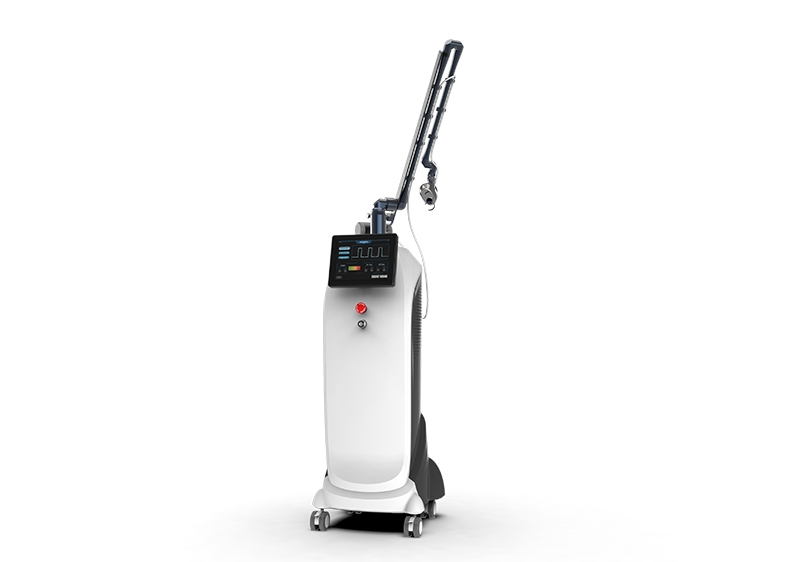
Fractional CO2 Laser Treatment for Age Spots in Dubai: What to Expect
-

- Published Updated
- 1,363 views
Introduction
Fractional CO2 Laser for Age Spots in Dubai is a skin resurfacing option used to address sun-induced hyperpigmentation, solar lentigines, and uneven skin texture. Clinics in Dubai commonly offer fractional CO2 as an ablative laser that creates microthermal zones to stimulate collagen and remove pigmented skin layers. Understanding how the treatment works, expected results, and safety considerations helps people make informed choices.
- Fractional CO2 is an ablative laser used to treat age spots and sun damage by removing thin layers of skin.
- Effectiveness depends on lesion type, skin tone, and practitioner expertise; multiple sessions may be needed.
- Potential side effects include redness, swelling, infection risk, and post-inflammatory hyperpigmentation (PIH), particularly in darker Fitzpatrick skin types.
- Regulatory oversight and consultation with a licensed dermatologist or qualified practitioner are recommended.
Fractional CO2 Laser for Age Spots in Dubai: How the Procedure Works
Mechanism and targets
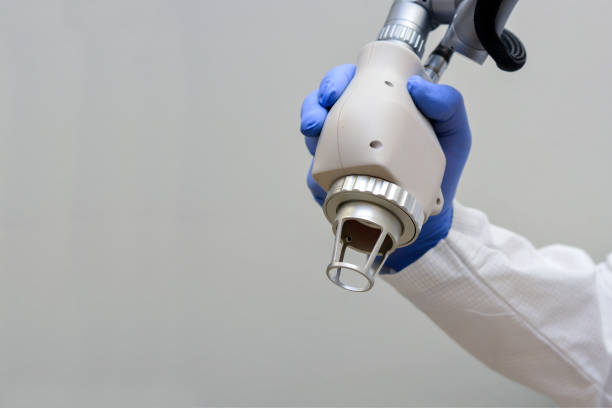
Fractional CO2 devices deliver focused columns of laser energy that ablate micro-columns of skin while leaving surrounding tissue intact. This fractional pattern speeds healing compared with full-field ablation and stimulates neocollagenesis. Common targets include solar lentigines (age spots), actinic damage, fine lines, and textural irregularities. The procedure specifically targets pigmented epidermal cells and sun-damaged dermis to encourage re-epithelialization with less visible pigmentation.
Typical treatment session
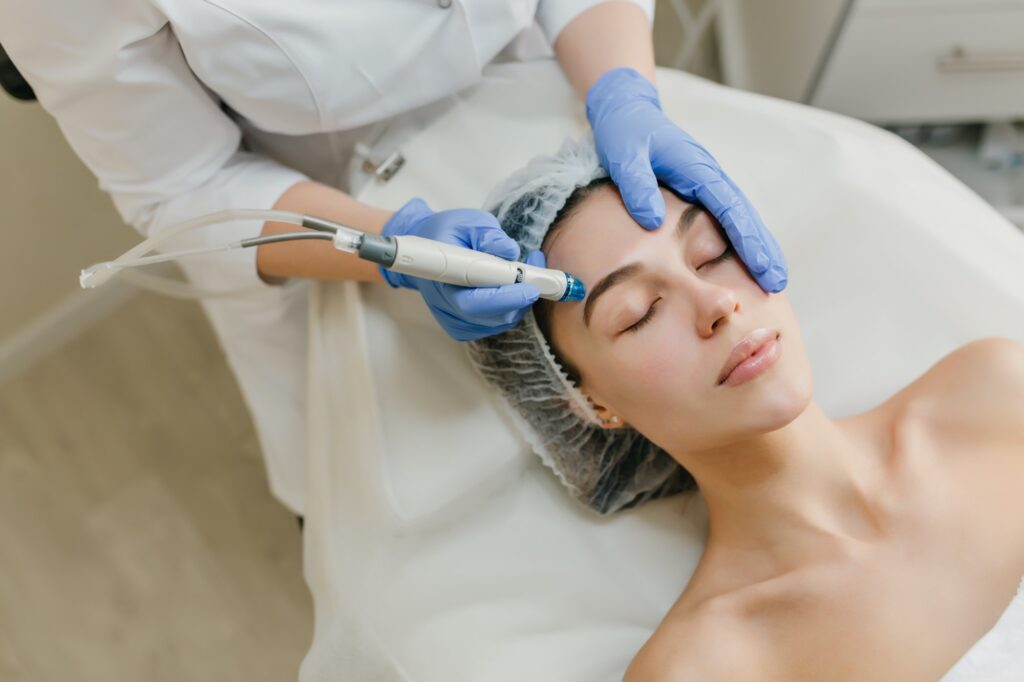
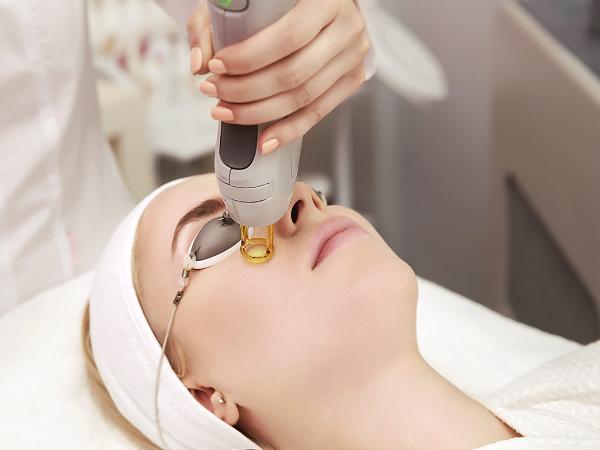
Sessions usually begin with skin assessment and topical or local anesthesia as needed. Energy settings, density, and pass number are tailored to the pigment depth and skin type. Each session can last 20–60 minutes depending on treated area. Visible improvements may appear after healing, with optimal results developing over several months as collagen remodels.
Effectiveness, Expectations, and Limitations
Expected outcomes
Many patients observe reduced visibility of age spots and improved skin texture after fractional CO2 treatment. Results vary: superficial pigmented lesions often respond better than deep or vascular lesions. Multiple treatments spaced several weeks apart may be required. Clinical studies indexed in PubMed demonstrate improvement in photoaged skin and pigmentary changes with fractional ablative lasers, but response is individual.
Limitations and alternatives
Fractional CO2 is not the only option for age spots. Less aggressive alternatives include topical lightening agents, chemical peels, cryotherapy, and non-ablative lasers or intense pulsed light (IPL). For darker skin tones or widespread pigment, non-ablative approaches or a combination strategy may reduce the risk of post-inflammatory hyperpigmentation (PIH). A qualified clinician will discuss alternatives suitable for the Fitzpatrick skin type.
Safety, Risks, and Regulation
Common risks
Common short-term effects include redness, swelling, crusting, and peeling. Risks include infection, scarring, and PIH. The likelihood of complications increases with higher energy settings, improper aftercare, or inadequate patient selection.
Regulatory and professional guidance
Devices and clinical practice guidance fall under medical device regulators and professional dermatology organizations. In Dubai, the Dubai Health Authority (DHA) provides licensing and facility standards for medical procedures. International authorities such as the U.S. Food and Drug Administration (FDA) provide information on laser device use for cosmetic procedures; see official device and safety information for more detail here. Professional societies such as the American Academy of Dermatology (AAD) publish consensus statements and patient resources on laser safety and indications.
Preparing for Treatment and Aftercare
Pre-treatment assessment
A comprehensive assessment includes medical history, skin-type evaluation, medication review (including photosensitizing drugs), and photographic documentation. Pre-treatment advice may include sun avoidance, discontinuing certain topical agents like retinoids, and treating active infections or inflamed lesions before laser application.
Aftercare recommendations
Post-procedure care typically involves gentle cleansing, application of prescribed emollients or barrier ointments, and sun protection. Strict sun avoidance and broad-spectrum sunscreen are essential to reduce the risk of pigmentary changes. Healing timelines vary; epidermal re-epithelialization often occurs within 7–14 days, while deeper remodeling continues for months.
Costs and Choosing a Clinic in Dubai
Cost factors
Costs vary by clinic, practitioner qualifications, treated area size, and number of sessions. Clinics in Dubai may price based on per-session fees or package pricing. Comparison should account for practitioner training, facility accreditation, and follow-up services rather than price alone.
Selecting a provider
Choose a licensed dermatologist or physician trained in laser medicine. Verify clinic accreditation and ask about device make and maintenance, complication protocols, and before-and-after photos of similar skin types. Expect an informed consent process that explains realistic outcomes and potential complications.
Conclusion
Fractional CO2 Laser for Age Spots in Dubai offers a clinically established option for reducing visible sun damage and improving skin texture when performed by an experienced practitioner. Proper patient selection, device settings, and aftercare strongly influence outcomes and safety. Consultation with a licensed dermatologist or qualified laser clinician is recommended to determine the most appropriate treatment plan for individual skin type and pigment concerns.
Frequently Asked Questions
What is Fractional CO2 Laser for Age Spots in Dubai and how quickly are results seen?
Fractional CO2 is an ablative resurfacing laser that treats age spots by removing pigmented epidermal layers and stimulating collagen. Initial improvements may appear after re-epithelialization (1–2 weeks), with continued improvement over 3–6 months. Multiple sessions may be needed depending on lesion depth.
Is fractional CO2 safe for darker skin tones?
There is a higher risk of post-inflammatory hyperpigmentation in darker Fitzpatrick skin types. Safety depends on provider experience, conservative energy settings, and sometimes choosing non-ablative alternatives. A patch test and specialist consultation are advised.
How long is recovery after the procedure?
Recovery for epidermal healing commonly takes 7–14 days; redness and collagen remodeling can last several weeks to months. Downtime varies with treatment intensity.
What are common side effects and when should a clinician be contacted?
Common side effects include redness, swelling, crusting, and temporary increased sensitivity. Contact a clinician if there are signs of infection, worsening pain, persistent bleeding, or unexpected scarring.
How many sessions are typically required?
The number of sessions depends on age spot severity, skin type, and desired outcome. Many patients require 1–3 sessions spaced several weeks apart; individualized assessment will determine the exact plan.