Friendship Peak Expedition: From Trekking to Mountaineering
-

- Published Updated
- 1,148 views
The Indian Himalayan region offers adventure experiences ranging from scenic trekking routes to challenging mountaineering objectives. For trekkers who want to progress toward climbing Himalayan peaks, the Friendship Peak Expedition can provide valuable exposure to high-altitude travel, mountain camping and basic mountaineering techniques.
Located near Manali in Himachal Pradesh, Friendship Peak rises to approximately 5,289 metres in the Pir Panjal range. Its altitude, changing weather, steep terrain and snow conditions mean that climbers need more preparation than they would for a conventional trek.
From Trekking to Mountaineering
Trekking and mountaineering share several foundations, including endurance, navigation, mountain awareness and the ability to adapt to changing weather. However, mountaineering adds technical skills and specialized equipment.
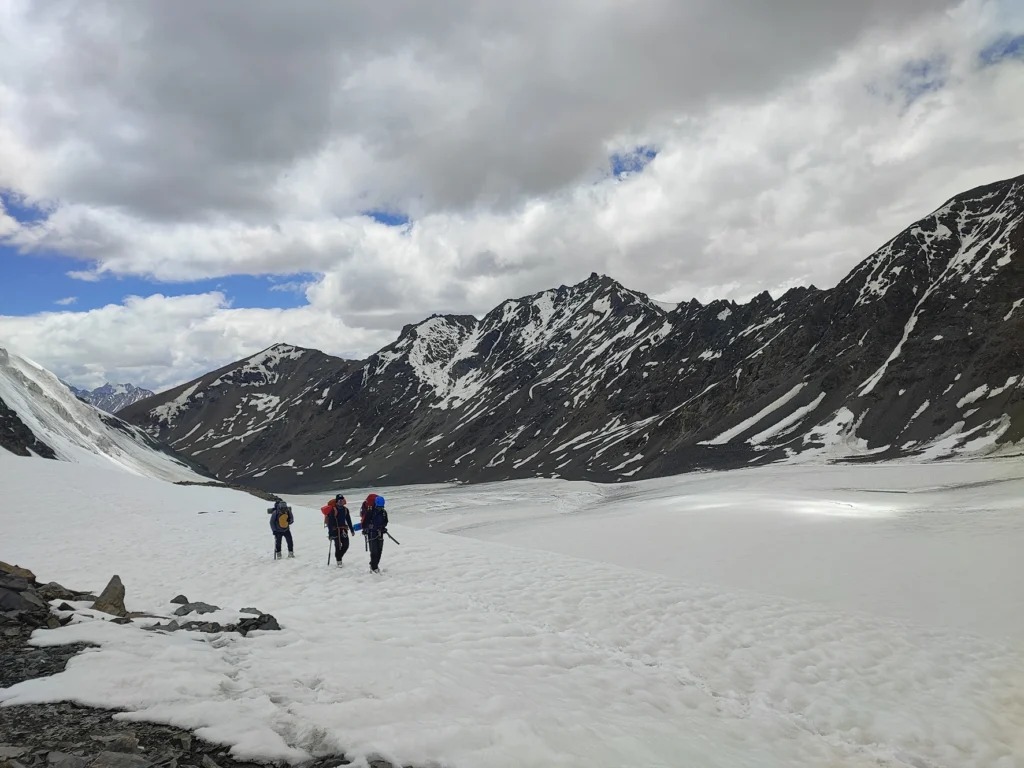
A trek generally involves travelling along established mountain trails toward a pass, lake, valley or viewpoint. A Friendship Peak Expedition, on the other hand, has a summit as its primary objective and may involve snow travel, rope systems and technical equipment depending on the route and conditions.
Trekkers preparing for this transition can benefit from learning:
- Crampon movement
- Ice-axe techniques
- Rope systems
- Snow travel
- Basic climbing techniques
- Mountain safety procedures
These skills help climbers understand how movement and safety change when a trekking route becomes a mountaineering objective.
Why Friendship Peak Is a Popular Objective
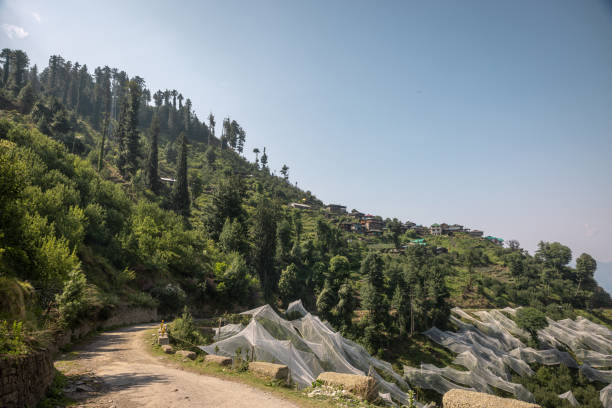
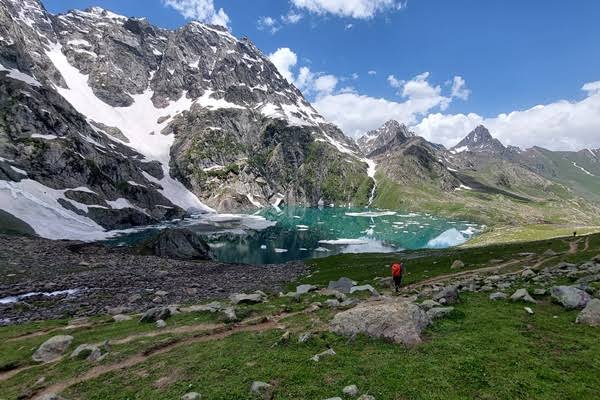
Friendship Peak combines a high-altitude environment with a comparatively accessible Himalayan setting near Manali. The journey can include forested approaches, alpine landscapes, mountain camps and progressively higher terrain.
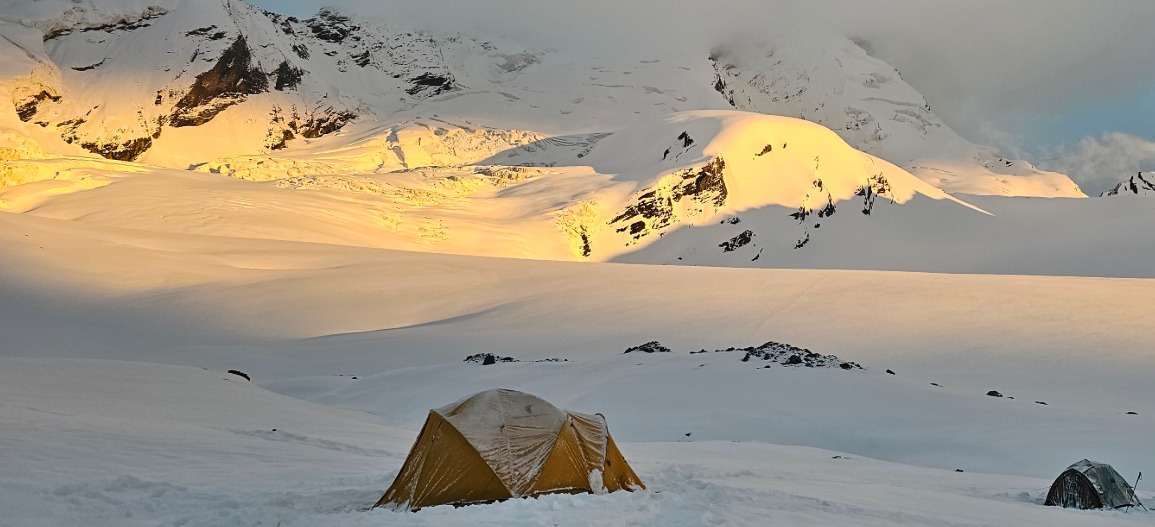
During the Friendship Peak Expedition, climbers may experience high-altitude camping, cold temperatures, steep sections, snow-covered terrain and a demanding summit day. These experiences provide a useful introduction to the discipline required for Himalayan mountaineering.
However, Friendship Peak should not be treated as an ordinary trek. Conditions can vary significantly between seasons, and the technical requirements depend on the route and current snow and weather conditions.
Physical Preparation
Fitness is one of the foundations of a successful expedition. Climbers should build cardiovascular endurance, leg strength and overall stamina well before reaching the mountains.
Running, cycling, stair climbing, strength exercises and regular hiking can help develop the required fitness. Long hikes with a gradually increasing backpack can also prepare the body for extended days on uneven terrain.
Technical preparation is equally important. Climbers should understand how to use equipment such as crampons, ice axes, harnesses and ropes when these are required.
Acclimatization at High Altitude
At approximately 5,289 metres, Friendship Peak reaches an altitude where acclimatization becomes an important part of expedition planning.
The body needs time to adjust as elevation increases. A well-planned Friendship Peak Expedition should therefore include appropriate altitude progression and rest periods.
Climbers should also recognize warning signs such as persistent headache, unusual fatigue, dizziness, nausea or coordination problems. Symptoms should be communicated promptly to the expedition team.
Altitude should never be treated as a challenge to overcome through determination alone. Safe climbing requires listening to the body and making responsible decisions.
Weather and Mountain Conditions
Weather is a major factor across the Indian Himalayan region. Conditions can change quickly, particularly at higher elevations.
Snowfall, strong winds, low temperatures and poor visibility can influence route conditions and summit plans. A flexible itinerary allows the expedition team to respond to these changes.
The planned summit date should never be more important than current mountain conditions. Sometimes waiting for a better weather window or turning around is the safest decision.
Equipment for Friendship Peak
The equipment required can vary according to the season, route and conditions. Depending on the expedition plan, climbers may need:
- Mountaineering boots
- Crampons
- Ice axe
- Helmet
- Harness
- Rope equipment
- Warm and waterproof clothing
- Gloves and goggles
- Suitable sleeping bag
- Headlamp and personal essentials
Carrying the right equipment is only part of preparation. Climbers should also know how to use technical equipment correctly before entering demanding terrain.
Learning the Expedition Mindset
One of the biggest changes when moving from trekking to mountaineering is the mindset.
A trekker may focus on completing a route according to a planned itinerary. An expedition climber needs to think about altitude, weather, terrain, equipment, team condition and changing risks throughout the journey.
The Friendship Peak Expedition can help develop this mindset by introducing climbers to structured acclimatization, summit planning, technical movement and mountain decision-making.
The objective is not simply to reach the highest point. A responsible expedition also focuses on teamwork, preparation and returning safely.
The Indian Himalayan Experience
The Indian Himalayan region provides an extraordinary variety of mountain environments. Around Manali, climbers can move from lower valleys and forests into alpine terrain and eventually toward a high-altitude summit.
This progression makes Friendship Peak an interesting objective for people who have developed trekking experience and want to understand the next stage of mountain adventure.
The transition should be gradual. Previous trekking experience is valuable, but climbers should also develop appropriate fitness, technical knowledge and altitude awareness.
Conclusion
The Friendship Peak Expedition represents more than a challenging trek. It introduces climbers to many aspects of Himalayan mountaineering, including high-altitude camping, technical equipment, acclimatization, weather management and summit-day preparation.
For trekkers interested in progressing toward mountaineering, Friendship Peak can provide an opportunity to develop new skills while experiencing the diverse landscapes of the Indian Himalayan region.
Proper training, suitable equipment, acclimatization, experienced leadership and flexible decision-making are essential parts of approaching the mountain responsibly.