Microneedling with PRP: A Practical Guide to Brighter, Healthier Skin
-

- February 28th, 2026
- 354 views

FREE SEO Topical Map Generator: Find Your Next Content Ideas
Microneedling with PRP has become a widely discussed option for addressing dull skin, uneven texture, fine lines, and acne scarring. This guide explains how the treatment works, who benefits most, what to expect during recovery, and simple ways to improve outcomes.
- Microneedling creates controlled micro-injuries to stimulate collagen; PRP (platelet-rich plasma) is applied or injected to enhance healing.
- Ideal for texture improvement, mild scarring, and skin glow; multiple sessions often needed.
- Follow a consistent aftercare routine and use the PRP-READY checklist to reduce complications.
Microneedling with PRP: How it works
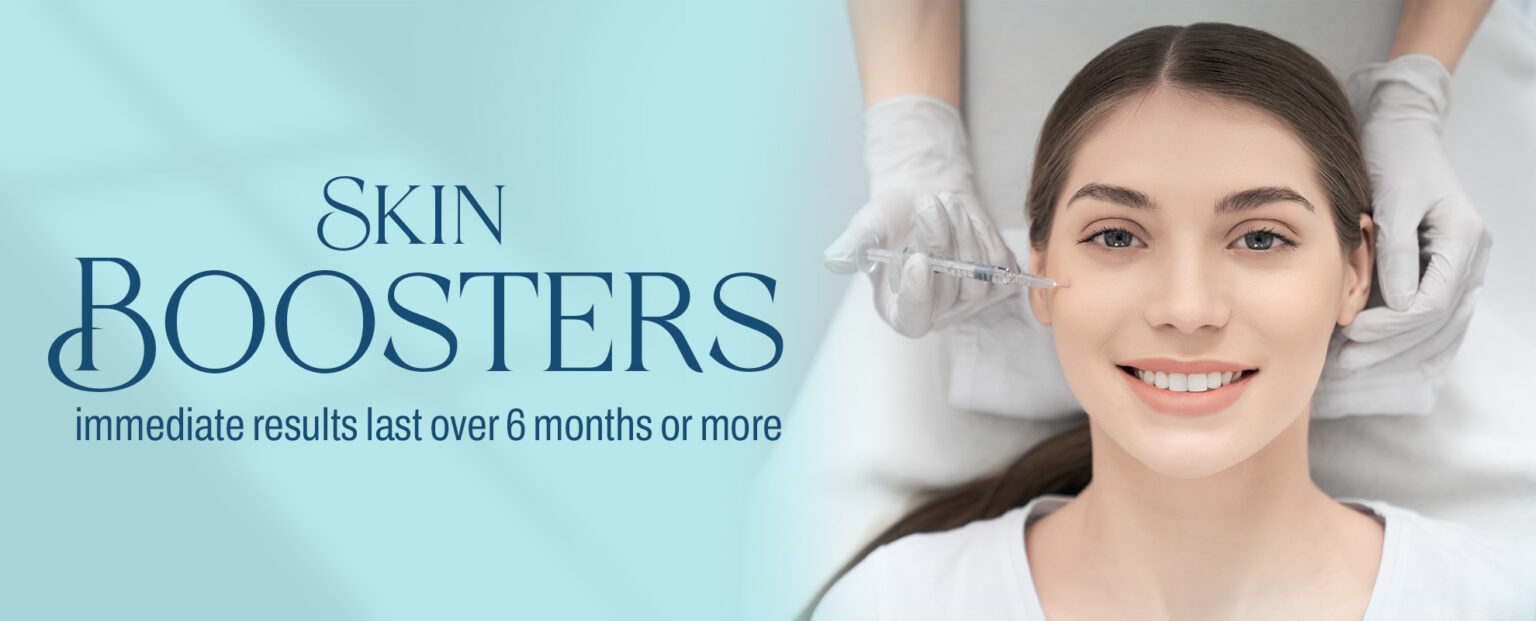
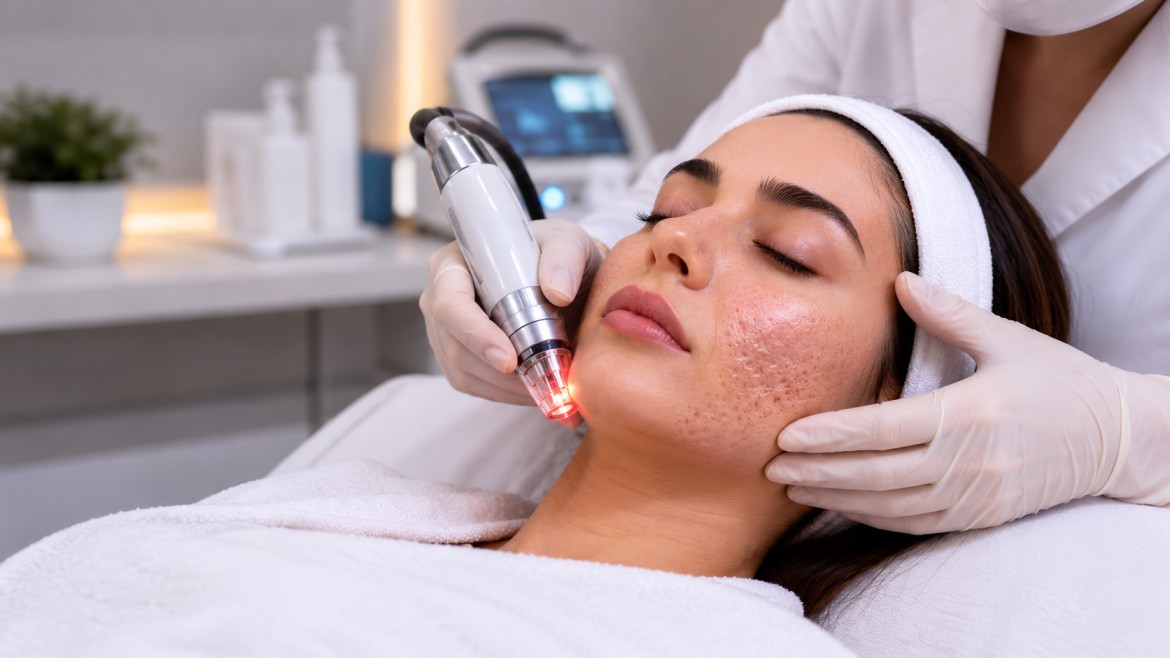
Microneedling with PRP combines two steps: microneedling uses tiny needles to create microchannels in the epidermis and upper dermis, prompting a repair response; PRP—concentrated platelets derived from a small sample of the patient's blood—delivers growth factors that may accelerate tissue repair and improve visible outcomes. The procedure is minimally invasive and typically performed in a clinical setting under topical or local anesthesia.
Clinical guidance on microneedling is available from major dermatology organizations that describe expected effects and safety considerations for percutaneous procedures. For an overview of microneedling basics from a dermatology authority, see the American Academy of Dermatology guidance here.
Who benefits: indications and realistic expectations
Good candidates are generally adults with:
- Mild to moderate acne scarring or texture irregularities
- Dull skin tone or early fine lines seeking improved radiance
- Stable skin conditions (not active infection, severe eczema, or psoriasis flare)
Expect gradual improvements across several sessions spaced 4–8 weeks apart. Results vary by skin type, age, and the depth/number of treatments. For pigmentary concerns or deep scarring, microneedling with PRP may be part of a broader treatment plan alongside lasers or topical therapies.
PRP-READY checklist (practical framework)
Use the PRP-READY checklist before planning treatment. This simple framework reduces risk and improves predictability:
- Patient screening: review medical history, medications (e.g., anticoagulants), and active infections.
- Review expectations: document goals, take photos, and agree on realistic outcomes.
- Preparation: advise on sun exposure, retinoids, and blood-thinning supplements before the procedure.
- Room readiness: ensure sterile technique, properly calibrated device, and trained staff.
- Extraction quality: use validated centrifugation protocols to produce consistent PRP concentration.
- Application plan: decide whether PRP is topical, injected, or both; choose needle depth according to indication.
- Documentation & follow-up: schedule aftercare, record lot/protocol details, and monitor outcomes.
Procedure, recovery, and microneedling PRP aftercare
What happens during a session
Typical steps: cleanse and apply topical anesthetic, draw a small volume of blood and prepare PRP via centrifuge, perform microneedling over the treatment area, then apply PRP topically or inject small aliquots. Session time usually ranges 45–90 minutes depending on the area and technique.
Immediate recovery and timeline
- Day 0–2: Redness and mild swelling are common; skin may feel sunburned.
- Day 3–7: Flaking and temporary texture changes as the skin renews.
- Weeks 4–12: Collagen remodeling continues; visible improvements typically appear after several weeks and across multiple sessions.
Microneedling PRP aftercare essentials
Aftercare influences safety and results. Key actions include gentle cleansing, daily broad-spectrum sunscreen, avoiding active exfoliants for 7–10 days, and following any prescribed topical regimens. Avoid direct sun exposure and heavy sweating in the first 48–72 hours to reduce infection and inflammation risk.
Common mistakes and trade-offs
Common mistakes and trade-offs explain why outcomes vary:
- Overly aggressive needling: Using excessive depth or frequency increases downtime and risk of scarring or hyperpigmentation, especially in darker skin types.
- Inconsistent PRP preparation: Variability in centrifuge protocols and blood handling can change platelet concentration and growth-factor delivery.
- Unrealistic expectations: Microneedling with PRP improves texture and glow but rarely eliminates deep scars or replaces surgical options.
- Insufficient aftercare: Poor sun protection or premature use of active ingredients can blunt results or provoke complications.
Practical tips to improve outcomes
- Schedule an initial consult to document baseline photos and set measurable goals.
- Pause retinoids and exfoliating acids 5–7 days before treatment to reduce irritation.
- Use sunscreen (SPF 30+) daily after treatment and limit sun exposure during healing.
- Space sessions 4–8 weeks apart; allow remodeling time before repeating treatment.
- Choose clinics that follow sterile technique and can demonstrate consistent PRP protocols.
Real-world example
A 38-year-old with mild rolling acne scars and dull tone underwent three sessions spaced six weeks apart. Topical numbing was used, PRP was applied topically after microneedling, and a maintenance skincare program emphasized vitamin C and sunscreen. Noticeable textural improvement and increased radiance appeared after the second session, with continued refinement by three months. No adverse events occurred when the PRP-READY checklist was followed.
Core cluster questions
- How many microneedling with PRP sessions are typically needed for visible improvement?
- What are the risks of combining microneedling with injected PRP versus topical PRP?
- How should skin prep and topical routines change before microneedling with PRP?
- Which skin types require modified microneedling depth to reduce hyperpigmentation risk?
- How do results from microneedling with PRP compare with fractional laser options?
Frequently asked questions
How long do results from microneedling with PRP last?
Results can last many months as collagen remodeling stabilizes, but maintenance sessions every 6–12 months are common to sustain tone and texture improvements. Longevity depends on age, skin quality, sun exposure, and home skincare.
Does microneedling with PRP hurt?
Topical or local anesthetic typically keeps discomfort minimal. Some residual soreness and tightness are common for a few days after treatment.
Are there safety concerns for darker skin tones?
Darker skin tones may have higher risk of post-inflammatory hyperpigmentation if needling is too aggressive. Conservative depth, proper spacing of sessions, and strict sun protection reduce this risk. Clinics experienced with diverse skin types should be consulted.
Can PRP cause infection or adverse reactions?
Using autologous PRP (from the patient’s own blood) reduces allergic risk, but infection can occur if sterile technique is not maintained. Follow the PRP-READY checklist and aftercare guidance to minimize risk.
When will improvement appear after microneedling with PRP?
Initial brightening may be noticeable within 1–2 weeks; collagen-driven textural changes typically build over 2–3 months and continue to evolve after a treatment series.