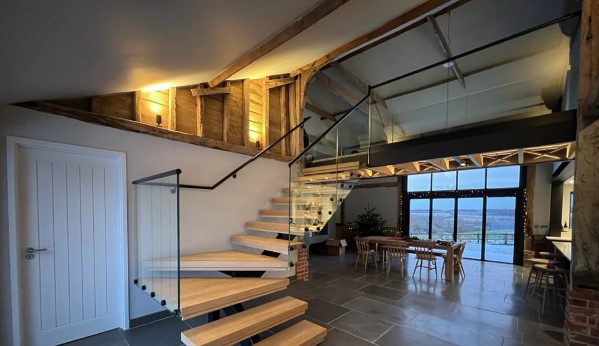
Surya Signature Home Building Process: From Vision to Finished Custom Home
-

- March 11th, 2026
- 357 views

Get a free topical map and start building content authority today.
Introduction
The Surya Signature home building process turns a homeowner’s vision into a finished, livable house by combining design, permitting, construction management, and quality assurance. This guide explains each stage of the Surya Signature home building process in plain language, highlights common trade-offs, and provides concrete tips that make custom-building less risky and more predictable.
Detected intent: Informational
Surya Signature home building process: overview
At its core the process breaks into five practical phases: feasibility and brief, schematic design, approvals and procurement, construction, and handover. Each phase includes decisions that affect cost, timeline, and final quality. Common terms to know include architectural program, bill of quantities, contractor procurement, building permit, snagging list, and final inspection.
The SURYA BUILD framework (named checklist)
To make handoffs and decisions repeatable, the SURYA BUILD framework is used as a checklist across projects. Use this checklist at milestone reviews.
- Study site & brief: survey, soil report, and program definition.
- Underwrite budget & schedule: cost plan, contingency, and milestones.
- Render design: schematic, design development, and technical drawings.
- Yield approvals: permits, utility connections, and regulatory compliance.
- Acquire contractors & materials: procurement, warranties, and delivery lead times.
- Build: site setup, structure, envelope, and MEP installations.
- Unit finishes & QA: interior finishes, commissioning, and third-party inspections.
- Inspect & certify: snagging list closure and final certifications.
- Launch handover: manuals, warranties, and move-in coordination.
- Document lessons: post-completion review and warranty plan.
Step-by-step: design, approvals, and construction
1. Feasibility and site analysis
Start with a site survey and zoning check. Topographic maps, soil reports, and setback rules shape the layout and cost. This phase sets the budget range and identifies constraints like floodplain status or heritage restrictions.
2. Custom home design steps (schematic to construction drawings)
Design progresses from concept sketches to detailed construction drawings. Typical stages are schematic design, design development, and working drawings. Decisions about structural systems, energy performance, and material specifications are finalized before procurement.
3. Permitting and approvals
Permitting timelines vary by jurisdiction. Allow time for plan checks and revisions. For code and best-practice references, consult the National Association of Home Builders for guidance on common regulatory checkpoints and builder responsibilities.
4. Procurement and contractor selection
Procurement can be design-bid-build, design-and-build, or negotiated contract models. Trade-offs include price certainty versus design control. Contract documents must include scope, payment schedule, quality standards, and dispute resolution terms.
5. Construction and quality control
Construction stages follow structural work, weather-tight envelope, mechanical/electrical/plumbing (MEP), finishes, and commissioning. Regular quality checks, independent inspections, and a controlled snagging process reduce defects at handover.
Real-world example: a 4-bedroom family home scenario
A household with a 4-bedroom program and a modest lot wanted passive-solar orientation, open-plan living, and durable finishes. Using the SURYA BUILD framework, the team completed feasibility and site orientation in two weeks, finalized schematic designs in six weeks, and obtained permits within ten weeks. A fixed-price contract with staged payments and defined milestones helped keep the build within budget. A snagging period of two weeks after practical completion resolved minor defects before keys were handed over.
Practical tips to keep a custom build on track
- Define scope and finishes early — late changes increase cost and schedule risk.
- Keep a 10%–15% contingency for design-driven changes or unforeseen site issues.
- Use a single-source file for specifications and drawings to avoid version conflicts.
- Schedule independent inspections at key milestones (foundations, framing, MEP rough-in, final).
- Document all approvals, variations, and payment certificates to prevent disputes.
Trade-offs and common mistakes
Common mistakes
- Underestimating the time required for permits and utility connections.
- Choosing finishes before finalizing mechanical systems, creating clashes and waste.
- Insufficient allowance for site-specific issues like poor soil or difficult access.
Trade-offs to consider
Higher-end materials and bespoke features increase cost and lead times but can improve longevity and resale value. A fixed-price contract provides cost certainty but may include larger contractor contingencies. Design-and-build shortens handoffs but reduces client control over subcontractor selection.
Core cluster questions
- How long does a custom home build typically take?
- What are the major stages of luxury residential construction?
- How should a homeowner budget for design changes during construction?
- What permits are usually required for a new single-family home?
- How are warranties and post-completion defects managed after handover?
Project communications and document control
Reliable communication systems (shared project folders, scheduled progress reports, and milestone sign-offs) prevent misunderstandings. A digital document control system with named drawings, revision numbers, and approval stamps is essential for coordination among architects, engineers, and contractors.
Final checklist before handover
- All permits closed and certificates obtained.
- Snagging list completed and documented.
- Operations manuals and warranty documents provided.
- Final accounts reconciled and retention release scheduled.
FAQ
How does the Surya Signature home building process work?
The process works by moving through feasibility, design, approvals, procurement, construction, and handover stages using formal milestone reviews, a defined contract model, and quality checks at each stage to protect scope, budget, and schedule.
How long does a typical custom build take from design to handover?
Typical timelines vary by complexity and locality but range from 9–18 months for many single-family custom homes: 2–4 months for design and permits and 7–14 months for construction, depending on finishes and site conditions.
What is the best way to budget for changes during construction?
Allocate a design contingency (usually 10%–15%), require written variation orders for any change with cost and time impacts, and freeze non-structural finishes before construction milestones to limit scope drift.
Who is responsible for quality inspections during the build?
Quality inspections are typically a shared responsibility: the contractor manages day-to-day QA, the design team reviews compliance with drawings and specs, and independent third-party inspectors or certifiers validate critical stages and final compliance.
What warranties and post-completion support are standard?
Standard deliverables include workmanship warranties, manufacturer warranties for appliances and systems, a defects liability period (commonly 6–12 months), and a process for logging and closing defects during that period.