What Goes Into a High-Quality Interior Fit-Out? A Material-by-Material Breakdown
-

- Published Updated
- 8,849 views
Ask ten people what makes an interior space exceptional and you'll get ten different answers. The lighting. The proportions. The color story. The furniture selection. Rarely will anyone mention the substrate behind the wall panel or the laminate finish on the joinery. Yet those are precisely the decisions that determine whether the lighting, proportions, and furniture continue to look exceptional five years from now — or whether the whole thing starts looking tired and worn long before it should.
Interior fit-out materials are the infrastructure of great design. They don't seek the spotlight. They earn it indirectly — by giving every visible element the stable, durable, well-finished foundation it needs to perform at its best.
This material-by-material breakdown covers what you need to know to make fit-out specification decisions confidently — whether you're approaching your first major project or refining an approach that's served you well for years.
Setting the Scene: What the Fit-Out Phase Actually Involves
Construction projects move through distinct phases. Once the structural frame is up, the envelope is closed, and the building services are roughed in, the fit-out phase begins. This is where the interior is genuinely created — where decisions about surfaces, substrates, acoustics, and finishing details translate into the space that end users will actually inhabit.
Fit-out materials are the products that make that translation happen. They range from large structural boards and surface laminates to precision edge strips and acoustic liners. Sourcing the right fit-out supplies and materials for each specific application is not a procurement afterthought — it's a design and engineering decision with consequences that play out across the entire lifespan of the project.
Getting it right from the outset is always more effective — and more economical — than correcting it later.
The Material Categories That Define Interior Fit-Out Quality
Decorative Laminates — The Standard-Bearer for Surface Performance
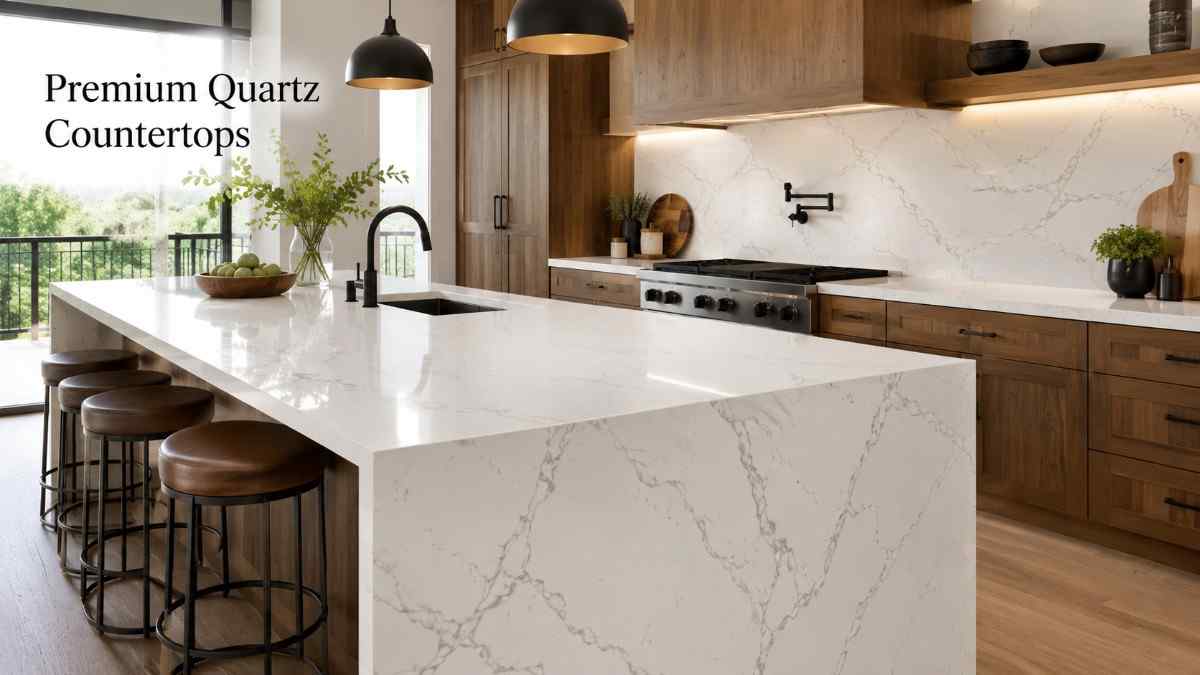
Decorative laminates have occupied a central role in interior fit-out for decades, and the reasons are as valid today as they've ever been. These are surfaces that work for a living — applied to furniture, cabinetry, wall panels, countertops, and retail fixtures in environments ranging from quiet residential spaces to relentlessly busy commercial interiors.
High-pressure laminates represent the performance benchmark within this category. The production process — multiple resin-impregnated layers bonded under sustained heat and pressure — creates a surface composite with hardness and resilience that single-layer alternatives simply can't match. The practical outcome is a material that resists heat damage, surface scratching, everyday impact, and staining without degrading visually in the way that less robust options do.
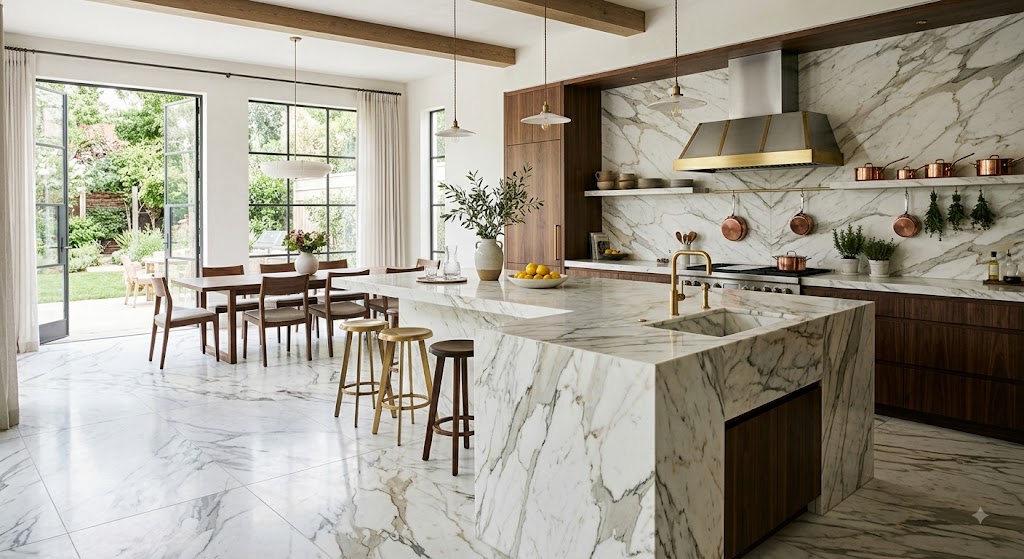
For designers, the range of finishes available adds a further dimension of value. Stone textures, timber replicas, metallic effects, geometric patterns, and solid tones — the options available today give projects of virtually any aesthetic direction access to a surface material that can deliver the required look without compromising on durability.
Wood-Effect Laminates and Engineered Panels — Timber Aesthetics, Practical Specification
The enduring popularity of timber in interior design reflects something genuine about how people respond to natural materials in built spaces. Wood conveys warmth, authenticity, and a connection to the natural world that synthetic alternatives have historically struggled to replicate.
What's changed is the quality of engineered wood laminates and panels — and with it, the practical case for specifying them over solid timber in most fit-out applications. Contemporary wood-effect products achieve a level of visual fidelity — in grain detail, tonal variation, and surface texture — that makes them genuinely difficult to distinguish from the real thing in a finished interior.
At the same time, they remove the complications that make solid timber specification challenging at scale: the moisture sensitivity, the seasonal dimensional movement, the surface maintenance demands, and the cost premium. For office furniture, hotel joinery, residential fitted rooms, and restaurant panelling, they offer a route to a timber aesthetic that the project's practical and financial constraints can comfortably accommodate.
MDF and Moisture-Resistant Fibreboards — Indispensable for a Reason
The word "workhorse" gets used a lot in descriptions of MDF, and it earns that designation honestly. Medium Density Fibreboard shows up in almost every interior fit-out project because it genuinely meets the needs of almost every interior fit-out project — not through any single outstanding characteristic, but through a combination of properties that no other substrate material matches across the full breadth of applications.
Uniform density that eliminates the grain variation and unpredictability of natural timber. A surface smooth enough to accept paint, foil, or laminate finishes with equal reliability. Machinability that allows complex profiles and routed details to be executed cleanly and consistently. Dimensional stability that means finished pieces behave predictably after installation.
Where moisture resistance is required — in bathrooms, commercial kitchen environments, retail spaces with humidity variation, or any interior where condensation or cleaning regimes introduce moisture — specialist fibreboard grades extend these same qualities into conditions where standard MDF would deteriorate. The result is a substrate range that covers almost every interior application from straightforward to genuinely demanding.
Film-Faced Plywood — The Specification Choice When Failure Isn't an Option
Interior fit-out includes applications where structural performance, not surface aesthetics, sets the specification requirement. High-load shelving and storage, flooring underlays, construction-phase formwork, and commercial environments with sustained heavy use all demand a material that can carry real loads, resist moisture at the structural level, and maintain its integrity without requiring replacement on a regular cycle.
Film-faced plywood answers that requirement. The phenolic film bonded to the panel surface creates resistance to moisture penetration, abrasion, and surface impact that untreated plywood and most alternative sheet materials can't match. The engineered core provides the load-bearing rigidity these applications demand. The combination is a material that performs exactly as specified under exactly the conditions it was designed for.
When the application requires structural confidence and the margin for failure is low, this is the material the specification should include.
Acoustic Panels and Wall Liners — What Good Design Sounds Like
There's a dimension of interior quality that has nothing to do with what you see and everything to do with what you hear — or, more precisely, what you don't. In spaces where people work, rest, recover, learn, or simply spend significant time, acoustic quality has a direct and measurable impact on comfort, concentration, and wellbeing.
The problem with acoustic specification is that its absence is only fully apparent after a space is occupied. An open office that looks striking in photographs but generates a wall of noise that makes focused work impossible. A hotel room where every sound from the corridor is fully audible. A healthcare waiting room where conversations carry across the space in ways that undermine patient privacy.
These are specification failures — and they're preventable ones. Building acoustic panels and wall liners into the fit-out from the design stage, rather than attempting to retrofit solutions after occupants have already identified the problem, is how acoustic quality gets delivered rather than merely intended.
Today's acoustic products are designed with the full fit-out context in mind. They're available in finishes, textures, and formats that integrate naturally into contemporary interior schemes — so specifying for acoustic performance no longer means accepting a visual compromise.
Edge Banding — Where Craft and Longevity Meet
The quality of edge finishing in a fit-out interior reveals more about the overall standard of workmanship than almost any other single indicator. Edge banding — applied to the exposed cut edges of boards and sheet materials — performs two functions simultaneously, and does both in a way that's only fully appreciated when it's done well or noticeably absent.
Functionally, it seals vulnerable board edges against the moisture ingress and physical damage that exposed substrates invite over time. An unfinished or poorly finished edge is a point of weakness in any piece of furniture or joinery — one that will manifest as deterioration long before the face surfaces show comparable wear.
Aesthetically, well-matched, cleanly applied edge banding completes the visual surface of a piece, creating the unified, considered profile that distinguishes professional-grade joinery from work that merely approximates it. The detail is small. The impact on perceived quality is not.
Cut-to-Size Material Supply — Precision as a Project Strategy
Standard sheet materials are produced to standard dimensions. Interior fit-out projects are not. The routine gap between the two creates on-site cutting requirements, material waste, installation inefficiencies, and the kind of accumulated small inaccuracies that undermine the precision a quality fit-out demands.
Cut-to-size services close that gap by supplying materials pre-dimensioned to the exact specifications of the project. The practical advantages are straightforward and meaningful: waste is reduced from the point of delivery, installation is faster and more accurate, on-site adjustment requirements diminish significantly, and the finished result reflects the precision of the design rather than the limitations of on-site cutting.
For large-volume commercial projects, the cumulative impact on cost and program is substantial. For bespoke or detail-intensive residential work, it enables a quality of result that standard-sheet working rarely achieves consistently.
Thinking About Fit-Out Material Specification: A Framework That Works
Good material specification isn't a formula — it's a discipline. But there are consistent principles that separate specifications that deliver from those that fall short:
Specify to the actual demands of the space. Every material decision should begin with an honest assessment of what the space will face during its operational life. Traffic levels, moisture exposure, acoustic requirements, cleaning regimes, and load demands should all inform material choices before budget or availability enters the conversation.
Account for total cost, not purchase cost. The acquisition cost of a material is one number. The total cost — including maintenance, repair, and eventual replacement over the fit-out's operational life — is a different and more meaningful one. Materials that cost more upfront and last significantly longer consistently represent better value by this measure.
Treat finishing details as integral, not optional. Edge banding, precision cutting, and surface finishing are not areas where value engineering creates genuine savings. They are where the quality of the finished project is most directly expressed. Decisions that reduce cost here reliably reduce the standard of the output.
Recognize acoustic quality as a design responsibility. The acoustic environment of a space is as much a design outcome as its visual appearance. Treating it as a secondary technical consideration — something to address if budget allows — is how projects produce spaces that disappoint their occupants despite looking exactly as the renders promised.
Source materials from suppliers who understand fit-out. Consistent product quality, reliable availability, technical expertise, and the flexibility to handle custom requirements are the characteristics of a supplier worth building a professional relationship with. The difference between a reliable supply partner and an unreliable one becomes most apparent under project pressure — which is precisely when it matters most.
Where Fit-Out Materials Shape Real Spaces
The materials covered in this guide find application across every sector of the built environment:
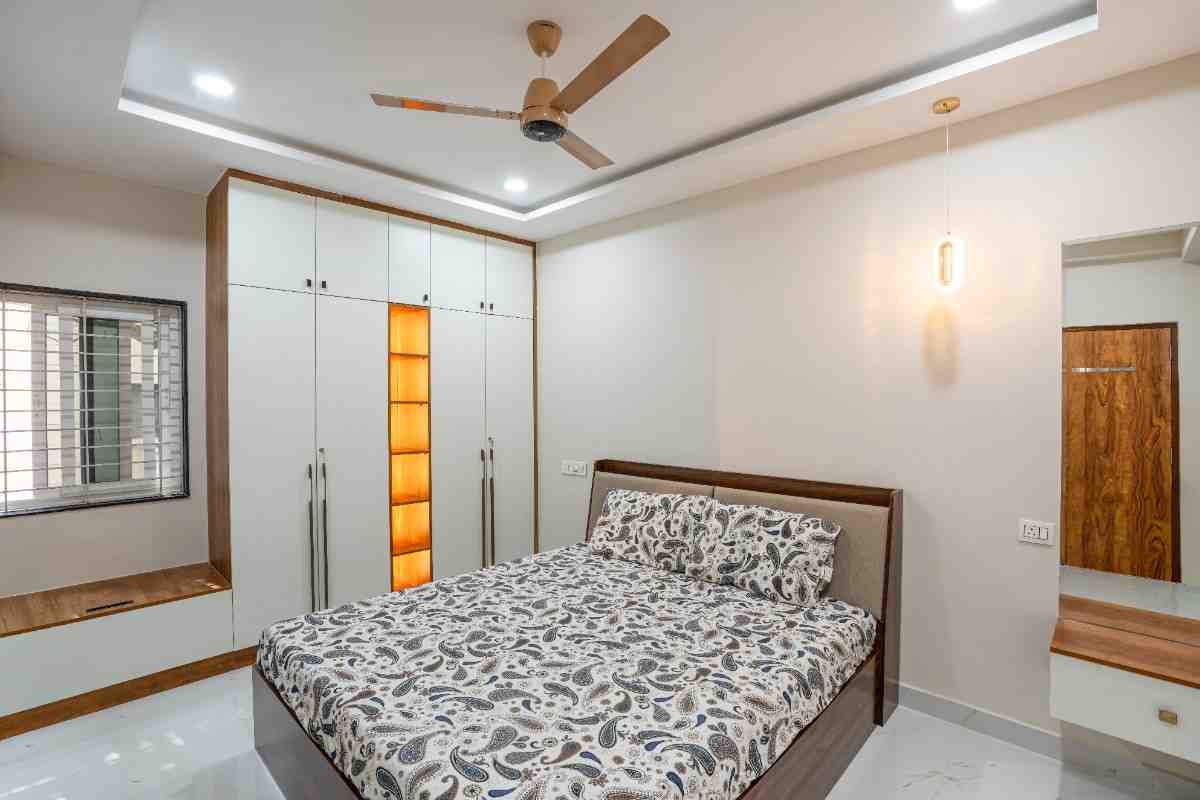
- Residential interiors — Every element of a home that's built rather than bought is shaped by fit-out material decisions, from kitchen cabinetry and fitted wardrobes to bathroom vanities and bespoke living room joinery
- Commercial workplaces — The materials used to construct an office environment are a physical expression of organizational standards and directly influence the daily experience of the people working there
- Retail environments — Shopfitting and display materials communicate brand quality to customers before a single word is exchanged; durability and visual consistency are commercial requirements, not optional upgrades
- Hospitality venues — Hotels, restaurants, bars, and leisure facilities require surfaces that sustain their appearance through years of intensive daily use without the kind of visible deterioration that erodes the guest experience
- Healthcare and education — These environments carry direct responsibilities to their users that translate into non-negotiable material requirements: demonstrable hygiene performance, acoustic quality, physical safety, and durability that supports rather than burdens operational maintenance teams
Closing Thoughts
Fit-out materials are where design ambition becomes physical reality. They're the layer of every interior that determines whether what was planned in concept actually delivers in practice — and whether it continues to do so across the years of use that follow.
The projects that endure — the interiors that age gracefully, perform consistently, and satisfy their occupants not just at handover but across the full lifecycle of occupation — share a common foundation. They were built on material decisions made with genuine care: specified to the real demands of the space, sourced from reliable suppliers, and executed without the corner-cutting that produces short-term savings and long-term regret.
Fit-out quality is always earned. And it always starts with the materials.
Originally published on: LS Trading and Contracting W.L.L.