Full Mouth Rehabilitation in Dubai: Comprehensive Guide to a Complete Dental Makeover
-
- Published Updated
- 1,473 views
Full Mouth Rehabilitation in Dubai is a coordinated set of restorative and surgical dental treatments designed to restore function, aesthetics, and oral health for patients with complex dental needs. This article explains common procedures, treatment planning, recovery expectations, cost considerations, and how to select a qualified dental clinic in Dubai.
- Full mouth rehabilitation involves multiple specialties (prosthodontics, periodontics, oral surgery, endodontics).
- Treatments commonly include dental implants, crowns, bridges, veneers, gum therapy, and occlusal adjustments.
- Assessment, diagnostic imaging, and a phased treatment plan are essential.
- Costs and timelines vary; verify credentials, licences, and laboratory standards when choosing a clinic.
Full Mouth Rehabilitation in Dubai: What it Means and Who May Need It
Full mouth rehabilitation is appropriate for people with widespread tooth loss, severe wear, untreated decay, periodontal disease, bite (occlusal) problems, or temporomandibular joint (TMJ) dysfunction. Treatment goals can include restoring chewing ability, improving speech, managing pain, and achieving an aesthetic result that suits facial proportions. In Dubai, multidisciplinary teams often collaborate to deliver these complex care plans.
Assessment and Diagnostic Steps
Comprehensive clinical examination
A complete oral examination typically includes dental charting, periodontal assessment, occlusal analysis, and evaluation of TMJ function. High-quality intraoral photographs and study models are often used to plan rehabilitation.
Imaging and diagnostics
Panoramic radiographs, cone-beam computed tomography (CBCT), and periapical X-rays help assess bone volume, root health, and sinus anatomy prior to implants or bone grafting. Digital smile design and CAD/CAM planning are commonly used for prosthetic cases.
Medical and dental history
Systemic health, medications, smoking status, and previous dental treatment influence treatment sequencing and prognosis. Coordination with the patient’s medical providers is recommended when systemic conditions may affect oral care.
Common Procedures Included in a Complete Dental Makeover
Restorative dentistry
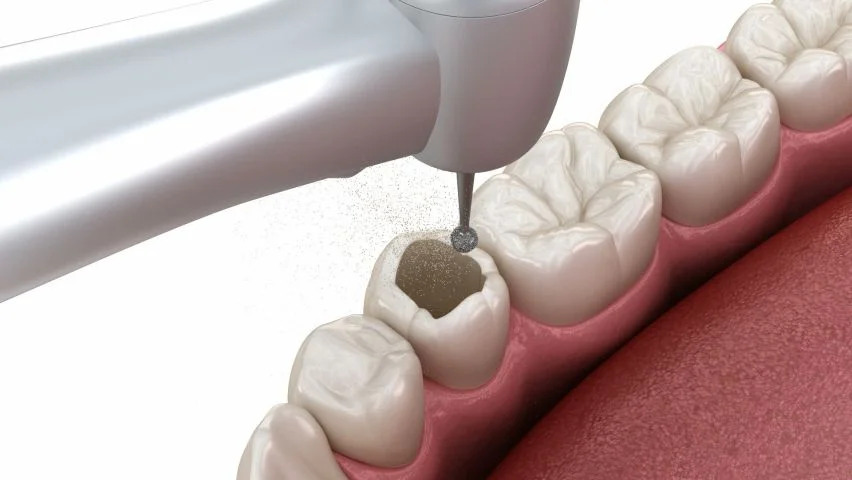
Crowns, bridges, veneers, and onlays restore tooth shape and strength. Endodontic therapy (root canals) can salvage teeth with infected pulp prior to definitive restoration.
Dental implants and implant-supported prostheses
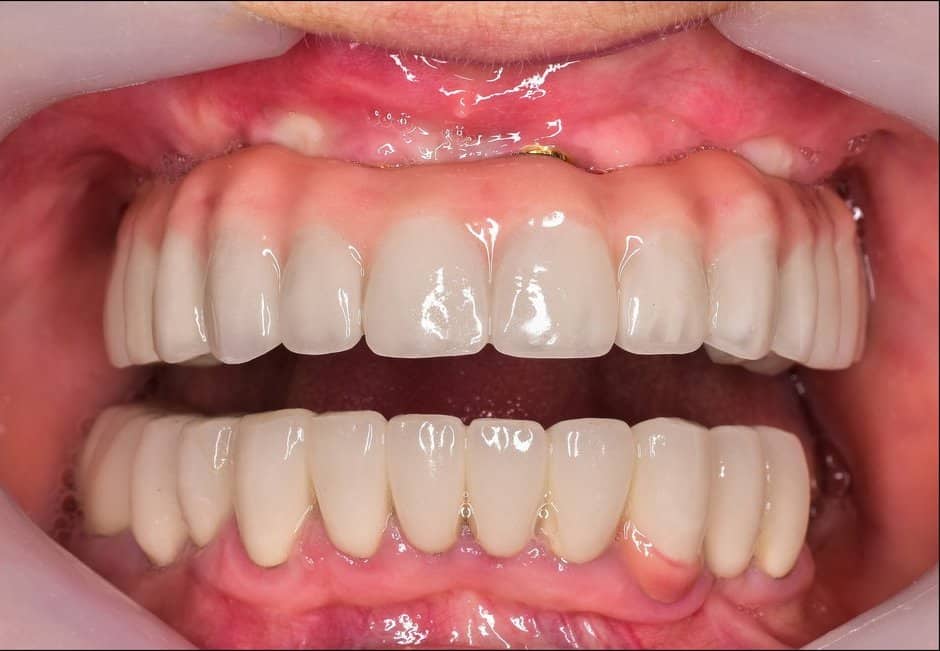
Implants are often used to replace missing teeth and support fixed or removable prostheses. Bone grafting and sinus lift procedures may be necessary to provide adequate support for implants.
Periodontal therapy
Treatment of gum disease through scaling, root planing, and, if required, surgical periodontal procedures improves the foundation for long-term restorative success.
Occlusal and TMJ management
Occlusal adjustment, splint therapy, and bite re-establishment may be part of rehabilitation to address wear, hypersensitivity, and TMJ symptoms.
Sequencing, Timeline, and Multidisciplinary Care
Treatment is often staged: initial infection control and periodontal therapy, followed by tooth extractions or endodontics, implant placement, provisional prostheses, and final restorations. Complex cases can require months to more than a year, depending on healing and the need for grafting. Collaboration among prosthodontists, oral surgeons, periodontists, endodontists, and dental laboratory technicians improves outcomes.
Recovery, Maintenance, and Long-Term Expectations
Immediate recovery
Postoperative instructions vary by procedure. Pain control, infection prevention, and soft-diet recommendations are common after surgery. Sedation or general anaesthesia protocols should be discussed in advance.
Maintenance
Long-term success depends on oral hygiene, routine professional cleanings, occlusal monitoring, and timely repair of prostheses. Regular follow-up with the treating team is necessary to detect and manage complications early.
Prognosis
Outcomes depend on factors such as systemic health, smoking, periodontal condition, and adherence to care. Published guidelines from professional bodies (for example, prosthodontic and implant societies) outline best practices for treatment planning and follow-up.
Costs, Insurance, and Regulatory Context in Dubai
Costs vary widely based on the number of implants, type of prosthesis, use of bone grafts, and laboratory materials. Local insurance coverage differs; some plans may cover parts of the treatment while others consider it elective. Patients are advised to obtain written estimates and a treatment timeline before starting care.
Dental practices in Dubai operate under the regulatory oversight of the Dubai Health Authority (DHA) and other emirate-level health regulators. Verification of clinic licensing and clinician qualifications provides an additional layer of assurance. For regulatory information and clinic listings, consult the Dubai Health Authority website: Dubai Health Authority.
How to Choose a Clinic or Specialist
Credentials and experience
Look for clinicians with postgraduate qualifications in prosthodontics, oral surgery, periodontics, or restorative dentistry, and check registration with local health authorities. Ask about experience with full mouth cases and view before-and-after documentation performed by the treating team.
Laboratory and materials
Ask whether restorations are fabricated in accredited dental laboratories and what materials will be used. Digital workflows and in-house milling can influence timelines and precision.
Second opinions and treatment planning
Complex rehabilitation benefits from multidisciplinary case planning and, when appropriate, obtaining a second opinion. Request a written treatment plan with alternatives, risks, and estimated costs.
FAQ
What is Full Mouth Rehabilitation in Dubai?
Full mouth rehabilitation in Dubai refers to comprehensive restorative and surgical dental care provided in the emirate to restore oral function and appearance. It typically involves coordinated services across specialties such as prosthodontics, periodontics, and oral surgery.
How long does a complete dental makeover take?
Treatment duration depends on complexity. Simple restorative cases may finish in weeks, while full implant-supported rehabilitations with grafting can take many months to allow for healing and accurate prosthetic fabrication.
Are dental implants safe and durable?
Dental implants are widely used and have strong long-term success rates when placed and maintained properly. Success depends on bone quality, surgical technique, patient health, and ongoing care. Professional guidelines from dental societies provide detailed information on indications and outcomes.
Will insurance cover full mouth rehabilitation?
Coverage varies. Some health insurance plans cover portions of treatment (for example, surgical procedures or endodontics) while cosmetic components may be excluded. Confirm benefits with the insurer and request itemized estimates from the clinic.
How to verify a clinic’s credentials in Dubai?
Verify the dentist’s licence and clinic registration with the Dubai Health Authority or respective emirate regulator, review clinician qualifications, and request case documentation. Choosing a clinic accredited by recognized professional bodies or with specialists on staff supports informed decision-making.
Note: This article provides general information for planning purposes and does not replace individualized consultation with licensed dental professionals. For clinical advice, consult a qualified dentist or specialist.