Gestational Diabetes Diet Plan: Small Food Changes That Can Make a Big Difference
-
- Published Updated
- 5,656 views

Pregnancy comes with plenty of surprises.
Some are exciting.
Others can feel overwhelming.
A diagnosis of gestational diabetes is often one of them.
Many women hear the term for the first time during pregnancy and immediately start worrying about what they can or cannot eat.
The good news is that gestational diabetes does not usually require complicated eating plans.
In many cases, small food changes can make a meaningful difference.
The goal is not to eat perfectly.
The goal is to support healthy blood sugar levels while providing nourishment for both mother and baby.
Let's look at how simple dietary habits can help.
What Is Gestational Diabetes?
Gestational diabetes is a type of diabetes that develops during pregnancy.
It happens when the body has difficulty managing blood sugar levels effectively.
Hormonal changes during pregnancy can affect how insulin works.
As a result, blood glucose levels may rise.
Many women with gestational diabetes feel completely fine.
That is why routine screening during pregnancy is so important.
The condition often has no obvious symptoms.
Why Nutrition Plays an Important Role
Food directly affects blood sugar levels.
This is why nutrition becomes one of the main areas of focus after diagnosis.
The objective is not to remove every carbohydrate.
The objective is to choose foods that help maintain more stable blood sugar levels throughout the day.
A balanced approach is usually more effective than strict restriction.
Small Changes Often Work Better Than Extreme Diets
Many women think they need to completely change everything they eat.
That can feel exhausting.
In reality, small adjustments often help.
Examples include:
Eating meals at regular times
Including protein with meals
Choosing whole grains more often
Reducing sugary beverages
Paying attention to portion sizes
Simple changes are often easier to maintain.
And consistency matters during pregnancy.
Why Skipping Meals Is Not a Good Idea
Some people believe eating less will automatically improve blood sugar levels.
Pregnancy does not work that way.
Long gaps between meals can lead to:
Increased hunger
Energy crashes
Larger portions later
Eating regular meals often helps maintain steadier energy and appetite control.
Many healthcare providers recommend spreading food intake throughout the day.
Build Meals Around Protein
Protein deserves attention in every gestational diabetes diet plan.
It helps make meals more satisfying and may help slow the rise in blood sugar after eating.
Good protein options include:
Eggs
Paneer
Greek yogurt
Lentils
Fish
Chicken
Tofu
Sprouts
Even small additions can help.
For example, adding curd to a meal or including eggs at breakfast may improve meal balance.
Choose Better Carbohydrates
Carbohydrates are often misunderstood.
Many women immediately try to avoid them.
The body still needs carbohydrates during pregnancy.
The focus should be on choosing them wisely.
Better options include:
Oats
Brown rice
Millets
Whole wheat roti
Quinoa
Sweet potatoes
These foods generally provide more fiber than highly refined options.
Fiber helps slow digestion and may support better blood sugar control.
Include More Vegetables
Vegetables bring several benefits.
They provide:
Fiber
Vitamins
Minerals
Non-starchy vegetables are especially useful.
Examples include:
Spinach
Cucumber
Cauliflower
Beans
Cabbage
Capsicum
Adding vegetables to lunch and dinner can improve meal quality without making eating complicated.
Be Careful With Sugary Drinks
Liquid calories are easy to overlook.
Many beverages contain large amounts of sugar.
Examples include:
Soft drinks
Sweetened juices
Flavoured beverages
These drinks may cause rapid increases in blood sugar levels.
Water remains one of the simplest choices.
Other options may include:
Plain buttermilk
Unsweetened beverages
Coconut water when appropriate and recommended
Smart Snack Ideas During Pregnancy
Snacking is often part of pregnancy.
The key is choosing snacks that provide more than quick energy.
Better snack ideas include:
Roasted chana
Nuts
Fruit with yogurt
Sprouts
Peanut chikki
Boiled eggs
Pairing protein with carbohydrates often helps improve snack quality.
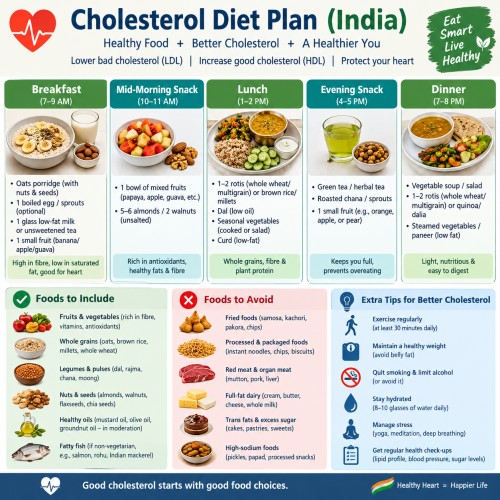
A Sample Day of Balanced Eating
Every woman's needs are different.
Still, a simple example may help.
Breakfast
Vegetable omelette
Whole wheat toast
Mid-Morning Snack
Apple with a handful of nuts
Lunch
Dal
Roti
Vegetable sabzi
Salad
Evening Snack
Roasted chana
Dinner
Paneer curry
Mixed vegetables
Small serving of brown rice
The goal is balance rather than perfection.
Common Mistakes Women Make After Diagnosis
Completely Avoiding Carbohydrates
Carbohydrates remain an important part of pregnancy nutrition.
Quality matters more than total elimination.
Depending on Packaged "Diabetic" Foods
Many products marketed as diabetic-friendly are still highly processed.
Whole foods often work better.
Skipping Snacks
Long periods without food can create unnecessary hunger and energy fluctuations.
Eating Large Portions at Once
Smaller, balanced meals throughout the day are often easier to manage.
The Importance of Fiber
Fiber deserves special attention.
It may help:
Improve digestion
Increase fullness
Support blood sugar management
Good fiber sources include:
Fruits
Vegetables
Whole grains
Lentils
Legumes
Many people consume less fiber than they realize.
Small increases can make a difference.
Hydration Matters Too
Nutrition is not only about food.
Water plays an important role during pregnancy.
Good hydration supports:
Digestion
Circulation
Overall wellbeing
Keeping a water bottle nearby often helps create a consistent habit.
What Nutrition Experts Usually Recommend
Most nutrition professionals focus on practical, sustainable changes.
The Best Nutritionist in Delhi would typically consider:
Blood sugar readings
Pregnancy stage
Daily eating habits
Medical history
Individual preferences
A personalised approach often works better than generic meal plans.
Every pregnancy is different.
Final Thoughts
A diagnosis of gestational diabetes can feel stressful.
The encouraging part is that small food choices often have a meaningful impact.
Balanced meals.
Regular eating patterns.
More protein.
More fiber.
Better carbohydrate choices.
These habits may help support healthier blood sugar levels without making food feel complicated.
Pregnancy already comes with enough challenges.
Eating well should feel supportive, not overwhelming.
FAQs
1. What foods should women with gestational diabetes eat?
Balanced meals that include protein, fiber-rich vegetables, whole grains, and healthy fats are commonly recommended.
2. Can carbohydrates be eaten with gestational diabetes?
Yes. Choosing high-fiber, less processed carbohydrate sources is often encouraged.
3. How many meals should be eaten daily?
Many women benefit from regular meals and snacks spread throughout the day.
4. Is fruit allowed in a gestational diabetes diet plan?
Yes. Whole fruits can often be included as part of a balanced eating plan.
5. Why is protein important in gestational diabetes?
Protein may help improve meal balance, support fullness, and contribute to steadier blood sugar responses.