How to Choose and Buy Quality Dental Equipment for Your Practice
-
- February 27th, 2026
- 375 views

Get a free topical map and start building content authority today.
Detected intent: Commercial Investigation
The first step to outfitting or upgrading a clinic is choosing reliable, cost-effective quality dental equipment that meets clinical needs, regulatory standards, and a practice's budget. This guide explains what to evaluate, a named selection checklist, a buying workflow, and practical tips to reduce risk when purchasing new or used dental devices.
Choosing quality dental equipment for your practice
Quality dental equipment means instruments and devices that consistently deliver clinical performance, meet infection-control requirements, and have predictable maintenance and service support. Key evaluation criteria include build quality, ergonomic design, infection-control features, warranty terms, parts availability, and regulatory compliance (FDA classifications and applicable local standards). When evaluating suppliers, request technical specifications, maintenance histories, and references from other practices.
Reference organizations such as the U.S. Food and Drug Administration provide device classification and safety information for dental devices; consult official resources to confirm device status before purchase. FDA medical device guidance
5P Dental Equipment Selection Checklist (named framework)
- Purpose: Define clinical workflows the equipment must support (e.g., restorative, endo, ortho).
- Performance: Verify specifications, precision, and cycle times under realistic loads.
- Price (lifecycle): Compare total cost of ownership, including consumables and maintenance.
- Parts & support: Check local service availability, spare parts lead times, and field service costs.
- Compliance: Confirm certifications, sterilization compatibility, and electrical/safety approvals.
Planning and budgeting: dental practice equipment checklist
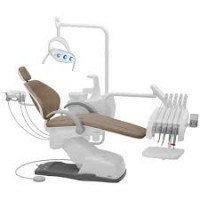
Prepare a dental practice equipment checklist that lists essential items by priority (operatory chairs, delivery systems, handpieces, radiography, sterilization, suction, and lab equipment). Categorize each item as immediate, short-term, or long-term and estimate capital and operating costs. Consider financing options, leasing, or refurbished equipment to stretch capital budgets without compromising critical needs.
Budgeting approach
- Estimate upfront cost plus annual maintenance and consumables for 3–7 years.
- Factor in downtime risk and service response times—faster service can justify higher purchase price.
- Reserve budget for installation, staff training, and facility upgrades (electrical, shielding for radiography).
Real-world example
A two-chair general practice replacing one old operatory might: assess current patient volume, decide to buy one new delivery system and one refurbished chair to balance cost, verify handpiece compatibility with the new system, and schedule installation during low-demand weeks. Using the 5P checklist, the practice prioritized Parts & support and Compliance to avoid extended downtime and meet local radiation safety rules.
How to buy: buying dental equipment for practice
Follow a step-by-step buying workflow to reduce purchase risk and ensure clinical fit.
- Assess needs: Map clinical services, patient volume, and future growth.
- Research options: Compare manufacturers, specs, and peer reviews; use the dental practice equipment checklist to score candidates.
- Request demonstrations: Insist on in-person demos or trial periods and evaluate ergonomics and workflow integration.
- Verify documentation: Obtain user manuals, maintenance logs (for used units), and compliance certificates.
- Negotiate terms: Clarify warranty coverage, preventive maintenance plans, and parts pricing.
- Plan installation and training: Schedule professional installation and dedicated staff training before bringing equipment into routine use.
- Document acceptance: Keep installation reports, service agreements, and staff sign-offs for risk management and insurance records.
Practical tips
- Ask for local service references and test service-response times in writing.
- Prioritize devices with modular parts to simplify repairs and lower downtime.
- Compare warranties based on coverage breadth (labor vs parts) and duration—longer warranties often indicate manufacturer confidence.
- For used equipment, request a full maintenance history and independent inspection report.
Trade-offs and common mistakes
- Buying cheapest vs lifecycle cost: Low upfront price can hide high consumable or repair costs.
- Ignoring service network: A feature-rich device is poor value if local technicians cannot service it quickly.
- Skipping staff training: New equipment without training reduces efficiency and increases risk of damage or patient harm.
- Overbuying capacity: Excessive capability raises costs and maintenance burden without matching demand.
Core cluster questions
- What should be included in a dental practice equipment checklist?
- How to compare new vs refurbished dental equipment costs and risks?
- What certification and documentation are required for dental devices?
- How to evaluate service and parts availability for dental equipment suppliers?
- Which equipment upgrades give the fastest return on investment in a dental clinic?
FAQ
What is quality dental equipment and why does it matter?
Quality dental equipment reliably supports clinical outcomes, reduces infection risk, lowers downtime, and can produce better patient comfort and efficiency. It includes proper certifications and is serviceable with available parts and technicians.
How to find quality dental equipment that fits a small practice?
Match device capacity to patient volume, use the 5P checklist to prioritize Parts & support and Price (lifecycle), and consider a mix of new essential items with refurbished noncritical equipment to balance budget and capability.
Is buying refurbished dental equipment safe?
Refurbished equipment can be cost-effective if it comes with documented maintenance history, recent inspections, and a limited warranty. Always verify calibrations, sterility compatibility, and manufacturer remanufacture standards.
How important is local service for dental equipment?
Very important—fast local service reduces downtime and preserves revenue. Confirm response times, technician qualifications, and availability of common spare parts before purchasing.
How long should dental equipment last before replacement?
Useful life varies by device: handpieces and small instruments may need replacement or major service every 3–7 years, larger devices like delivery systems and radiography units often last 7–15 years with proper maintenance. Plan procurement around expected lifecycles and clinical needs.