How to Get Rid of a Phobia: Evidence-Based Methods and When to Seek Help
-

- May 04th, 2026
- 1,541 views
Many people look for ways to get rid of phobia symptoms that disrupt daily life. A phobia is an intense, persistent fear of a specific object, activity, or situation that leads to avoidance and significant distress. Treatment and self-help strategies can reduce fear and improve functioning; this article summarizes commonly used approaches, what to expect, and when to seek professional care.
- Phobias are common anxiety disorders that can often be treated with psychotherapy.
- Exposure-based treatments and cognitive-behavioral therapy (CBT) are the most supported methods.
- Self-help, relaxation, and virtual reality can supplement therapy for some people.
- Seek a licensed mental health professional when fear significantly limits daily activities or causes panic.
Understanding phobias
What is a phobia?
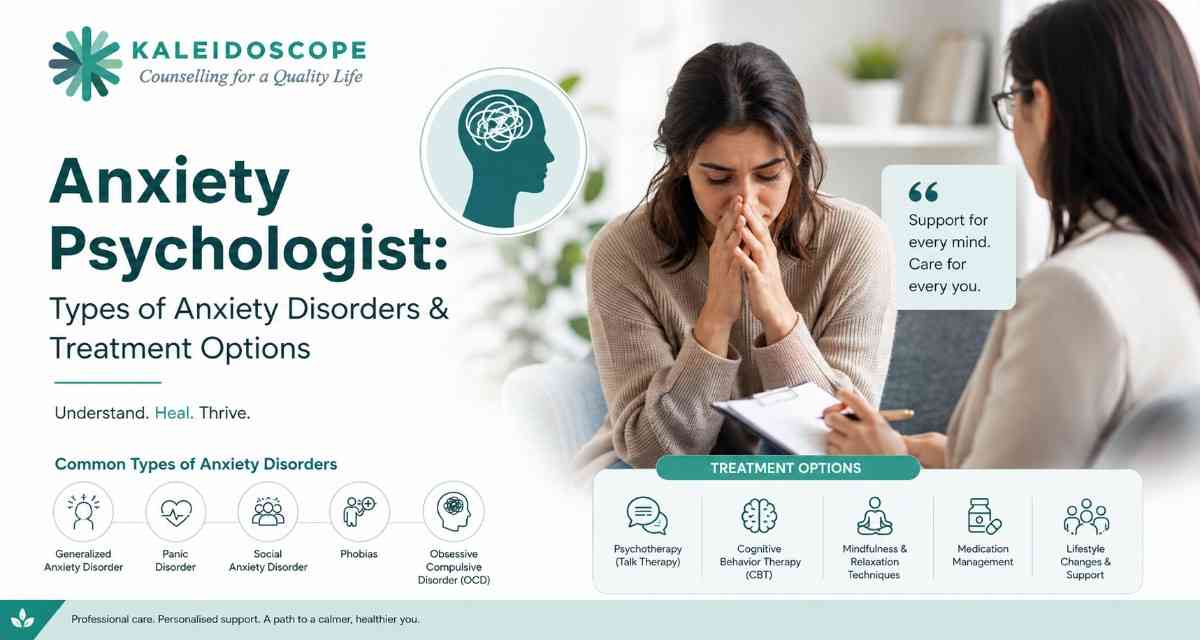
A phobia is an excessive or unreasonable fear triggered by a specific object or situation. The Diagnostic and Statistical Manual of Mental Disorders (DSM-5) classifies common types including specific phobia, social anxiety disorder (often called social phobia), and agoraphobia. Symptoms can include intense anxiety, avoidance, rapid heartbeat, sweating, and difficulty functioning in day-to-day life.
How phobias develop and persist
Phobias may begin after a frightening experience, through learned responses, or without a clear trigger. Maintenance factors include avoidance (which prevents learning that the feared outcome is unlikely) and catastrophic thinking. Biological factors such as temperament and genetic vulnerability can also influence severity.
Get rid of phobia: Evidence-based approaches
Exposure therapy
Exposure therapy gradually and systematically confronts feared objects or situations to reduce anxiety over time. Approaches include in vivo exposure (real-life), imaginal exposure (guided mental imagery), and increasingly, virtual reality exposure for situations that are difficult to recreate. Research supports exposure as a cornerstone treatment for many specific phobias and related anxiety disorders.
Cognitive-behavioral therapy (CBT)
CBT combines exposure with techniques to identify and modify unhelpful thoughts that maintain fear. Skills taught in CBT often include cognitive restructuring, problem-solving, activity scheduling, and relapse prevention. CBT is widely recommended by professional organizations for treating phobias and anxiety disorders.
Relaxation and breathing techniques
Relaxation exercises such as diaphragmatic breathing, progressive muscle relaxation, and mindfulness can reduce physiological arousal during exposure and in daily life. These techniques are commonly used together with behavioral treatments rather than as standalone cures.
Medication
Medications—typically prescribed by a physician or psychiatrist—may help manage severe anxiety symptoms or panic that interferes with therapy. Antidepressants and short-term anxiolytics are sometimes used, but medication alone rarely eliminates a phobia; combining medication with psychotherapy often yields better functional outcomes. Medication decisions should be made with a qualified prescriber.
Self-help and guided online programs
Some guided self-help programs and therapist-assisted online CBT have evidence of benefit for less severe phobias or as a first step. These programs often teach exposure planning, cognitive techniques, and practical coping strategies. Effectiveness depends on the quality of the program and individual engagement.
Preparing for treatment and practical steps
Finding appropriate professional support
Look for licensed mental health professionals such as clinical psychologists, psychiatrists, or licensed clinical social workers with experience in anxiety disorders and exposure-based therapies. Professional credentials and local licensing boards can confirm qualifications. For clinical guidelines and general information, see resources from established organizations like the American Psychological Association.
What to expect in therapy
Initial sessions usually focus on assessment, education about phobia mechanisms, and collaborative planning. Gradual exposure exercises start at a manageable level and increase in difficulty as confidence and coping skills improve. Progress varies by individual and by the type and duration of the phobia.
Self-help steps to begin now
- Record specific situations that trigger fear and rate the level of distress to create an exposure hierarchy.
- Practice relaxation and grounding skills regularly to reduce baseline anxiety.
- Break tasks into small, achievable steps and reward gradual progress.
- Consider peer support groups or therapist-guided online programs if access to in-person care is limited.
When to seek immediate or specialized help
Signs that professional care is needed
Consider urgent evaluation if fear causes avoidance of essential activities (work, school, social responsibilities), triggers panic attacks, leads to substance use as a coping strategy, or if thoughts of harming oneself occur. Contact local emergency services or crisis lines when there is risk of self-harm.
Special considerations
Children and adolescents with phobias may present differently; providers experienced in pediatric anxiety can tailor interventions. Co-occurring conditions such as major depression, substance use disorders, or severe medical problems warrant integrated care.
Outcomes and long-term management
What improvement looks like
Successful intervention typically reduces avoidance and distress, increases participation in meaningful activities, and improves quality of life. Some residual anxiety can remain, but most people report functional gains and reduced impairment with evidence-based treatment.
Relapse prevention
Relapse prevention includes maintaining skills learned in therapy, periodic booster sessions if needed, and early action if anxiety begins to increase again. Ongoing practice of exposure and coping techniques helps sustain gains.
Research and evolving treatments
Research into digital therapies, virtual reality, and combined biological and psychological interventions continues. Clinical guidelines from professional organizations and peer-reviewed studies provide up-to-date summaries of evidence for specific techniques.
Resources and credibility
Reliable information is available from national health services, professional associations, and peer-reviewed literature. The American Psychological Association and similar professional bodies publish materials on assessment and treatment of phobias and anxiety disorders. Local mental health agencies and university clinics can offer referrals and evidence-based care.
FAQ: Common questions about how to get rid of a phobia
How can I get rid of phobia quickly?
Rapid reduction of intense fear is not guaranteed; however, brief targeted treatments such as single-session exposure protocols can be effective for some specific phobias when delivered by an experienced clinician. Realistic expectations, commitment to gradual exposure, and professional guidance improve outcomes.
Is exposure therapy safe?
Exposure therapy is considered safe when delivered by trained professionals who tailor intensity to the individual. Proper monitoring and use of coping strategies reduce the risk of overwhelming distress during sessions.
Can medication cure a phobia?
Medication can reduce symptoms and make therapy easier to engage with, but medications alone rarely produce a lasting cure. Combining medication with evidence-based psychotherapy often yields better long-term results.
Are online programs effective?
Some therapist-guided online CBT and structured digital programs show beneficial effects for mild to moderate phobias. Effectiveness depends on program quality, the presence of guidance, and consistent practice by the user.
Where to find help locally?
Contact primary care providers for referrals, search licensed professional directories, or consult local mental health clinics and university training clinics for evidence-based treatment options. For urgent concerns, use emergency services or local crisis lines.