Safe Natural Nose Reshaping: Practical Non‑Surgical Options and a Clear Plan
-
- May 03rd, 2026
- 385 views
Desire for a refined profile is common, and many prefer subtle improvements without a surgical rhinoplasty. This guide explains safe, realistic paths to natural nose reshaping, comparing non‑surgical rhinoplasty alternatives, targeted exercises, and cosmetic contouring. It focuses on evidence, practical steps, and safety so readers can make informed decisions.
- Detected intent: Procedural
- Goal: achieve subtle, safe changes with realistic expectations
- Main options covered: dermal fillers, makeup contouring, targeted exercises, and lifestyle/medical reviews
- Includes a named checklist (S.A.F.E. Nose Plan), a short scenario, practical tips, and common mistakes
Natural nose reshaping: safe, practical options
Natural nose reshaping covers a range of low‑risk approaches that change appearance without cutting bone or cartilage. The most common non‑surgical rhinoplasty alternatives are injectable fillers, external devices and makeup; complementary steps include skin care, posture/breathing work, and realistic aesthetic planning.
How to evaluate options — the S.A.F.E. Nose Plan (checklist)
Use a concise checklist to evaluate any approach before starting.
- Stay informed: research anatomy, risks, and realistic outcomes.
- Assess options: compare non‑surgical rhinoplasty alternatives, makeup, and exercises for the specific concern (dorsal hump, tip projection, asymmetry).
- Find qualified help: for injections or devices, consult certified professionals with before/after portfolios and clear safety protocols.
- Expect realistic results: set measurable, subtle goals and a timeline for follow‑up.
Common non‑surgical choices and how they work
Dermal fillers (temporary contouring)
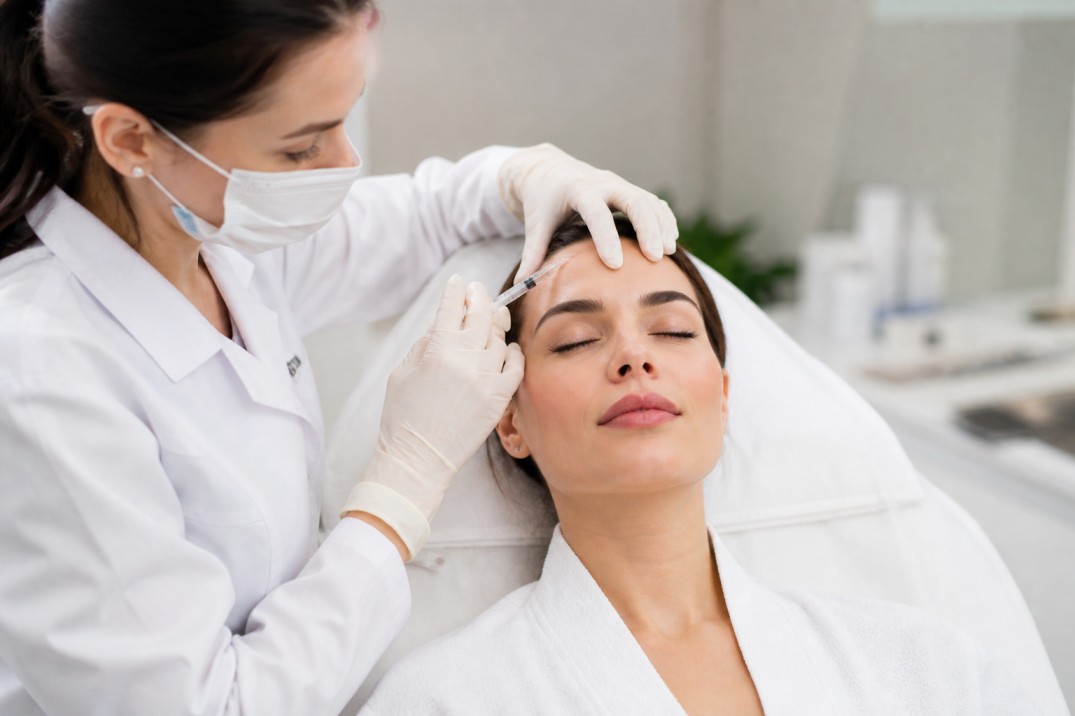
Injectable fillers—often hyaluronic acid products—can smooth a dorsal line, lift or define a tip, and correct minor asymmetry. Results are immediate and reversible with hyaluronidase when appropriate. There are real safety considerations: vascular occlusion, infection, and swelling. For up‑to‑date safety guidance on dermal fillers, consult the FDA information on dermal fillers (FDA: Dermal Fillers).
Makeup and visual camouflage
Contouring with matte and highlight products alters perceived shape temporarily. This method is low‑risk, inexpensive, and ideal for testing visible changes before committing to anything longer lasting.
External shaping devices and splints
Some devices claim to reshape cartilage gradually through pressure or support. Evidence is limited; any device that compresses tissue should be used cautiously and discontinued if it causes pain, bruising, or breathing changes.
Exercises and posture
Nose contouring exercises and facial posture training have minimal evidence for structural change but can improve muscle tone, facial balance, and the appearance of the nose when combined with other measures. These are best used for supporting aesthetic goals rather than as standalone structural fixes.
Practical step‑by‑step plan
- Identify the specific concern (bump, tip droop, asymmetry) and set a modest target photo for comparison.
- Try makeup contouring to preview potential visual changes.
- If considering fillers, consult a board‑certified dermatologist, plastic surgeon, or qualified injector; review before/after photos and complication protocols.
- Start with the least invasive option that meets the goal; schedule follow‑ups and document results.
- Maintain realistic expectations: temporary options require repeat visits or product maintenance.
Real‑world example
Scenario: A 34‑year‑old wanted a straighter dorsal profile but did not want surgery. After using contouring makeup to preview the look, a consultation with a qualified injector showed that a small hyaluronic acid filler placed above the dorsal hump would create a smoother silhouette without touching the cartilage. The patient agreed on a conservative volume, planned a two‑week follow‑up, and had a small touch‑up at 3 months. The result was subtle and reversible; the patient avoided surgery and kept the option open.
Trade‑offs and common mistakes
Understanding trade‑offs prevents costly regrets.
- Longevity vs. reversibility: Fillers are temporary and reversible (with risks); surgery is permanent but involves recovery and higher risk.
- Subtlety vs. dramatic change: Non‑surgical methods are best for incremental corrections; dramatic reshaping requires rhinoplasty.
- Cost vs. maintenance: Repeated filler sessions add cost over time; makeup and exercises are low cost but temporary.
Common mistakes
- Choosing a treatment to chase an unrealistic photo instead of a modest, agreed outcome.
- Using unverified devices or providers without credentials.
- Neglecting breathing or functional evaluation—cosmetic changes can affect nasal airflow.
Practical tips for safe, natural results
- Start conservatively: less filler or softer contouring now is easier to build on than to undo.
- Verify provider credentials and ask for complication protocols and insurance for adverse events.
- Document photos from multiple angles before and after any intervention to track progress.
- Ask about product type, volume, and reversibility—prefer reversible options when available.
- Consider a functional evaluation by an ENT or qualified clinician if there are breathing concerns.
Core cluster questions (for related articles or deeper links)
- What are the risks and benefits of non‑surgical rhinoplasty with fillers?
- How long do dermal fillers last in the nose and what affects durability?
- Can makeup contouring accurately predict surgical outcomes?
- Which exercises or facial posture routines may help with nose appearance?
- When is surgery the better option than non‑surgical alternatives?
When to choose surgery instead
Surgical rhinoplasty is the appropriate choice for substantial structural changes, breathing correction (e.g., deviated septum or collapsed valve), or when long‑term permanence is the objective. Consultation with a board‑certified facial plastic surgeon or otolaryngologist will clarify whether functional issues exist that make surgery the safer or necessary path.
How to proceed safely
Before any treatment, confirm credentials, ask about emergency protocols (e.g., vascular occlusion management for injectables), and set a written plan for follow‑up. For medical claims and safety information about injectables, consult official guidance from regulatory bodies such as the U.S. Food and Drug Administration.
Final checklist before a first appointment
- Clear photos and a list of exact concerns
- Questions about provider training, complication rates, and revision policy
- Discussion of alternatives (makeup trial, temporary devices, observation)
- Agreement on modest, measurable goals and follow‑up timing
FAQ
Can natural nose reshaping work without surgery?
Yes—natural nose reshaping using makeup, dermal fillers, or modest external methods can produce noticeable, temporary improvements for specific issues like minor dorsal irregularities or tip support. These approaches are best for subtle change and require realistic expectations and safety checks.
How safe are dermal fillers for the nose?
Dermal fillers can be safe when administered by trained professionals, but they carry risks like vascular occlusion, infection, and swelling. Confirm product type, provider training, and emergency protocols. For official safety information, the FDA maintains guidance on dermal fillers.
Do nose contouring exercises really work?
Exercises may improve surrounding muscle tone and facial balance but are unlikely to change bone or cartilage shape. Treat them as supporting measures rather than structural solutions.
What are the signs of a poorly performed non‑surgical procedure?
Immediate severe pain, prolonged numbness, skin discoloration, vision changes, or unexpected asymmetry are red flags. Seek urgent medical attention and the treating provider's emergency plan if these occur.
How long do non‑surgical changes typically last?
Longevity varies: makeup is temporary (hours), filler results often last months to a year depending on product and placement, and devices or exercises depend on continued use. Balance expectations with maintenance plans.