Guide to Glutathione Injection Clinics in Riyadh — Safety, Cost, and Care
-

- Published Updated
- 1,802 views
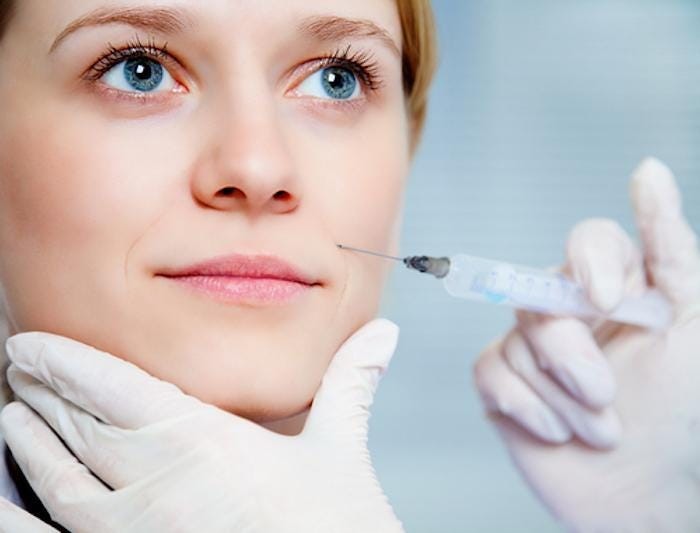
Guide to Glutathione Injection Clinics in Riyadh
The topic of glutathione injection clinics in Riyadh draws interest from people seeking antioxidant-based aesthetic or wellness treatments. Glutathione is a naturally occurring antioxidant involved in cellular redox balance and detoxification; clinics may offer intravenous (IV) or intramuscular (IM) formulations for skin tone, antioxidant support, or other off-label uses. This article describes common clinic practices, safety considerations, regulatory context, and questions to ask before booking a treatment.
- Glutathione is an antioxidant sometimes administered intravenously or intramuscularly in aesthetic clinics.
- Treatment approaches, dosing, and evidence vary; clinical evidence for cosmetic benefits is limited.
- Seek clinics with licensed healthcare professionals and clear informed consent procedures.
- Be aware of potential side effects, contraindications, and local regulations overseen by health authorities.
What is glutathione and why are injections offered?
Glutathione is a tripeptide antioxidant found in nearly all cells and plays a role in neutralizing reactive oxygen species, supporting detoxification pathways, and maintaining the redox state. In clinical and aesthetic settings, injections are offered to increase plasma or tissue glutathione transiently. Delivery methods include intravenous (IV) infusions, IV push, and intramuscular (IM) injections. Published clinical studies on outcomes for cosmetic skin lightening, antiaging, or systemic detoxification are limited and often small in scale; systematic reviews highlight the need for higher-quality trials.
glutathione injection clinics in Riyadh: regulatory and safety considerations
Regulatory oversight, licensing, and standards of practice are key considerations when evaluating clinics. In Saudi Arabia, medical facilities and injectable therapies fall under the jurisdiction of health regulators and licensing bodies; patients are encouraged to confirm that a clinic and its practitioners are registered with the appropriate local authority. For official guidance and regulatory information, see the Saudi Ministry of Health website: Saudi Ministry of Health.
Safety practices to look for include verification that licensed physicians or qualified nurses perform injections, sterile technique, availability of emergency equipment, and documented informed consent that lists potential benefits, uncertainties, and risks. Clinics should provide pre-treatment screening for contraindications such as pregnancy, acute infection, known allergies, or concurrent medical conditions that could alter safety.
Types of procedures and clinic protocols
Common protocols vary by clinic and include:
- Intravenous (IV) infusion: Glutathione administered over a set period; requires trained staff and IV access.
- Intramuscular (IM) injection: Smaller-volume injections into muscle; typically quicker but results and pharmacokinetics differ from IV administration.
- Combination protocols: Some clinics combine glutathione with vitamins or other agents; interactions and safety depend on formulations.
Documentation of dosing, lot numbers, and post-treatment monitoring are important quality indicators. Reputable clinics maintain clear protocols and follow infection-control standards consistent with national guidelines.
Evidence, benefits, and limitations
Scientific literature on therapeutic and cosmetic use of glutathione includes laboratory studies and small clinical trials. Evidence for systemic antioxidant benefits or skin-lightening effects is mixed and often limited by study design, small sample sizes, and short follow-up. Academic databases such as PubMed contain peer-reviewed studies on glutathione's biological roles and some clinical interventions, but high-quality randomized trials for many aesthetic uses remain scarce. Clinicians and patients should consider the current evidence base and realistic expectations for outcomes.
Potential risks and common side effects
Reported adverse events range from minor to more serious. Common issues include injection-site pain, redness, or swelling. Systemic reactions such as allergic responses have been reported; severe reactions are less common but possible. Other concerns include contamination or improper preparation if aseptic technique is inadequate. Patients with chronic medical conditions, those taking other medications, or those who are pregnant or breastfeeding may face additional risks.
Cost, sessions, and practical considerations
Pricing and recommended number of sessions vary widely across clinics. Some providers offer single sessions while others recommend multiple treatments spaced over weeks. Cost depends on formulation, facility fees, practitioner qualifications, and ancillary services. Request a clear written estimate and a description of what is included, such as pre-treatment assessment, post-treatment monitoring, and any follow-up care.
How to evaluate a clinic in Riyadh
Consider these practical steps when choosing a clinic:
- Verify practitioner credentials and facility licensing with local regulators.
- Ask about product sourcing, storage, and lot documentation.
- Ensure a medical consultation and informed consent process are provided before treatment.
- Request information about adverse event handling and emergency protocols.
- Read independent patient reviews and, where available, check for published clinic outcomes or audits.
Follow-up and monitoring
Post-treatment guidance should address expected short-term effects and signs that merit medical attention. Some clinics recommend blood work or clinical follow-up if multiple or high-dose treatments are given. Maintaining records of treatments and any adverse reactions helps continuity of care with other healthcare providers.
Conclusion
Glutathione injection clinics in Riyadh offer a range of IV and IM protocols centered on antioxidant therapy. Because scientific evidence for many aesthetic claims is limited, emphasis should be placed on provider qualifications, clinic hygiene, transparent informed consent, and alignment with local regulatory standards. Patients are encouraged to review clinic credentials and available safety information before proceeding.
FAQ
What should be asked before visiting glutathione injection clinics in Riyadh?
Request practitioner credentials, facility license, product sourcing and storage details, a written consent form outlining risks, and a clear cost estimate. Ask about adverse-event procedures and whether pre-treatment screening is provided.
Are glutathione injections regulated in Saudi Arabia?
Regulation of injectable therapies falls under national health authorities and facility licensing. Confirm clinic registration and practitioner licensing with the relevant regulator; see Saudi Ministry of Health resources for official guidance.
What are common side effects after a glutathione injection?
Common side effects include injection-site discomfort, redness, or swelling. Less commonly, allergic or systemic reactions can occur. Clinics should outline risks and monitoring procedures in informed consent documents.