Glutathione Injections in Dubai: Safety, Effectiveness, and How to Decide
-

- Published Updated
- 1,210 views
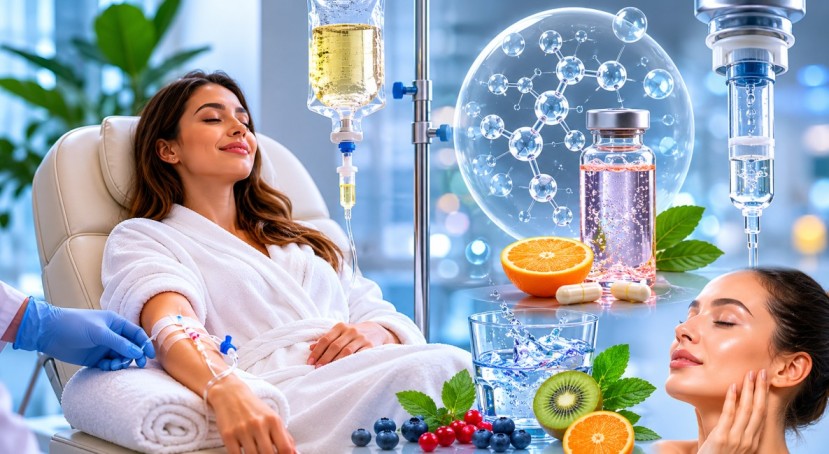
Glutathione injections Dubai are frequently discussed as a fast route to a brighter, more even complexion, but questions about effectiveness, safety, and regulation are common. This guide explains how glutathione treatments work, who might be a candidate, practical steps to evaluate clinics, and the trade-offs to consider before booking an appointment.
Intent: Commercial Investigation
Bottom line: Glutathione injections may offer antioxidant benefits, but evidence for consistent skin-lightening results is limited and risks exist. Verify clinic licensing, ask about formulation and monitoring, and weigh benefits against alternatives like topical agents and sun protection.
What are glutathione injections and how are they supposed to work?
Glutathione is a naturally occurring antioxidant (GSH) involved in cellular detoxification. When given intravenously or by injection, proponents say glutathione can shift melanin production toward pheomelanin (lighter pigment) and reduce oxidative stress, potentially improving skin tone. Evidence on skin-lightening efficacy is mixed, and most dermatology guidelines treat glutathione primarily as an antioxidant rather than a proven depigmenting drug.
Glutathione injections Dubai: regulation, clinic standards, and safety
Regulatory oversight varies by country. In Dubai, verify that any clinic or practitioner is registered with the Dubai Health Authority and that injectable treatments are administered by appropriately licensed medical staff. Always ask for written details on the product source, concentration, batch, and sterility.
For local licensing and clinic verification, consult the Dubai Health Authority: https://www.dha.gov.ae
Common safety concerns and adverse effects
- Injection-site reactions, infection, or allergic response.
- Unknown long-term effects from repeated high-dose IV glutathione.
- Off-label use and variable product quality when not supplied through regulated channels.
Evidence, alternatives, and practical trade-offs
Clinical studies on glutathione for skin lightening are limited and often small. Alternatives with stronger evidence include topical agents (hydroquinone in regulated concentrations, azelaic acid, retinoids), chemical peels, and strict sun protection. Trade-offs to weigh:
Trade-offs and common mistakes
- Expecting guaranteed results: outcomes vary by skin type and underlying cause of pigmentation.
- Skipping baseline screening: missing allergies, liver/kidney testing, or relevant medications can increase risk.
- Choosing price over licensing: cheaper injections from unverified sources increase infection and contamination risk.
S.A.F.E. checklist: a simple framework to evaluate a glutathione clinic
Use the S.A.F.E. checklist before scheduling treatment:
- Screening — Confirm medical assessment, allergy history, and blood tests where appropriate.
- Accreditation — Verify clinic and practitioner's registration with local health authorities.
- Formulation — Ask for product name, concentration, source, and batch; request to see packaging and expiry.
- Expectations & follow-up — Obtain written consent, realistic outcome timelines, and a follow-up plan for adverse events.
Real-world example
A 35-year-old resident with uneven post-inflammatory hyperpigmentation consults a licensed dermatologist in Dubai. After photos and blood tests rule out contraindications, the clinic suggests a trial of topical agents for 12 weeks first. When progress stalls, a supervised IV glutathione course is discussed, with written consent, documented product information, and a plan for monitoring liver enzymes and skin changes every four weeks.
Practical tips when considering IV glutathione treatment
- Confirm practitioner credentials and that injections are given in a clinical setting with emergency protocols.
- Request the exact product information (manufacturer, lot number, concentration) and avoid unnamed vials.
- Start with diagnostic steps and conservative therapies before invasive options.
- Keep realistic goals: improvements are often modest and maintenance may be required.
Core cluster questions
- How effective are glutathione injections for skin lightening compared with topical treatments?
- What are the documented side effects of intravenous glutathione?
- How to verify a clinic’s licensing and practitioner credentials in Dubai?
- What pre-treatment tests are recommended before receiving glutathione injections?
- How long do results from IV glutathione typically last and what maintenance is required?
When to avoid glutathione injections
Avoid injections if pregnant or breastfeeding, if there is a history of severe allergic reactions, or if the clinic cannot provide verifiable product and practitioner information. Discuss chronic conditions such as liver or kidney disease with a physician before proceeding.
Final decision checklist
Before accepting treatment, ensure all S.A.F.E. items are satisfied, request a clear pricing breakdown including follow-up visits, and get consent documents in writing. If any aspect of safety, sourcing, or practitioner competence is unclear, seek a second opinion.
FAQ: Are glutathione injections Dubai safe and effective?
Glutathione injections Dubai can be safe when administered by licensed medical professionals using verified products, but evidence for consistent skin-lightening effects is limited. Discuss risks, alternatives, and monitoring with a qualified clinician first.
FAQ: What are the risks of IV glutathione treatment?
Risks include injection-site reactions, allergic responses, infection from non-sterile technique, and unknown effects from repeated high doses. Proper screening and clinic standards reduce but do not eliminate risk.
FAQ: How to check if a Dubai clinic is licensed to do injections?
Request the practitioner’s Dubai Health Authority registration number and verify it on the DHA site. Ask for proof of clinic licensing and that protocols for sterile injections and emergency care are in place.
FAQ: How long do results last and is maintenance needed?
Results vary. Some people see short-term changes that fade without maintenance; others notice minimal difference. Expect multiple sessions and ongoing sun protection or topical maintenance for best outcomes.
FAQ: What alternatives have stronger evidence than glutathione?
Topical depigmenting agents (regulated hydroquinone, azelaic acid, retinoids), chemical peels, and laser procedures have more robust clinical data for certain pigmentation concerns. A dermatologist can recommend the most appropriate option based on diagnosis.