Glycemic Index Charts Explained: Low vs High GI Foods, Limits, and Practical Use
-

- Published Updated
- 1,589 views
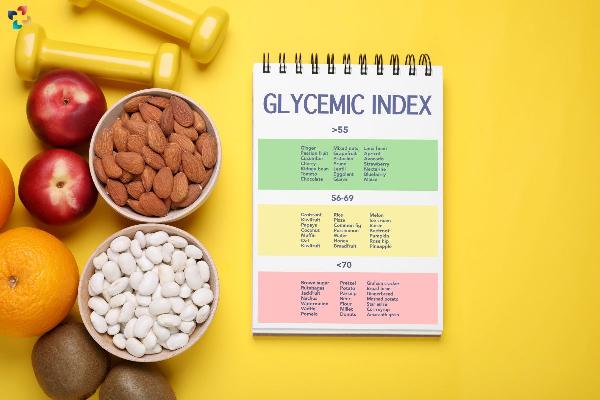
The term glycemic index charts appears frequently in nutrition discussions because these lists show how individual carbohydrate-containing foods affect blood glucose after a standard portion. Glycemic index charts rank foods on a 0–100 scale so that people, researchers, and health professionals can compare the relative speed and magnitude of post-meal blood glucose rise for single foods under standard test conditions.
Glycemic index charts are tools that categorize carbohydrate-containing foods as low, medium, or high GI based on their effect on blood glucose. They do not account for portion size, mixed meals, or individual metabolic differences. Glycemic load, fiber content, and food processing are also important for practical use. Official sources such as the American Diabetes Association and national food composition databases provide further guidance.
What the Glycemic Index Measures
The glycemic index (GI) measures the relative rise in blood glucose over two hours after consuming a fixed amount (typically 50 grams) of available carbohydrate from a single food, compared with the response to a reference food such as glucose or white bread. Values are often classified as low (55 or less), medium (56–69), or high (70 and above). The GI reflects carbohydrate digestion rate, absorption speed, and some aspects of metabolic response but is not a direct measure of overall diet quality.
Using Glycemic Index Charts to Compare Foods
Glycemic index charts list foods and their GI values to allow side-by-side comparisons. Common entries include potatoes, bread, rice, fruit, dairy, and processed snacks. Items like white bread and instant mashed potatoes frequently appear in the high-GI range, while most non-starchy vegetables, legumes, and many fruits are low GI. Dairy products often have low to moderate GI despite containing lactose because protein and fat slow gastric emptying.
Examples of Low and High GI Foods
Low GI examples: most legumes (lentils, chickpeas), non-starchy vegetables, some fruits (apples, pears), whole oats, and dairy. High GI examples: glucose, white bread, many instant breakfast cereals, and some starchy tubers depending on cooking method. Exact values vary between studies and food varieties.
Factors That Affect Glycemic Index Values
GI values from charts are influenced by multiple factors:
- Food variety and ripeness: Ripe fruits often have higher GI than unripe ones; different potato cultivars differ substantially.
- Processing and cooking: Grinding, milling, and long cooking raise GI because starch is more accessible to enzymes.
- Fat, protein, and fiber content: Meals higher in fat, protein, or soluble fiber often reduce postprandial glucose rise and therefore lower the effective GI of a mixed meal.
- Portion size and carbohydrate amount: GI testing typically uses a fixed carbohydrate amount; actual portion sizes alter the glycemic impact.
- Individual physiology: Insulin sensitivity, gastric emptying, and gut microbiota cause personal differences in blood glucose responses.
Glycemic Load and Practical Use
Glycemic load (GL) combines GI with the amount of carbohydrate in a typical serving: GL = (GI × grams of available carbohydrate per serving) / 100. GL helps translate a GI chart value into realistic meal effects. For example, a food with a high GI eaten in a very small amount can have a low GL, while a low-GI food eaten in large quantities can still raise blood glucose.
Applying Charts in Meal Planning
When using glycemic index charts for meal planning, consider the whole meal composition rather than single-food GI values. Adding protein, healthy fats, and fiber-rich vegetables reduces the meal’s overall glycemic response. National food composition databases and guidance from public health organizations can support balanced choices; clinical recommendations should come from qualified health professionals.
Limitations and Reliability of Glycemic Index Charts
Glycemic index charts are useful reference tools but have clear limitations. Standard GI testing uses single foods in isolation and controlled portions under laboratory conditions, which does not reflect mixed meals, beverage combinations, or real-world eating patterns. Inter-study variability and methodological differences mean that reported GI values can differ for the same food. For comprehensive guidance, consult authoritative sources and peer-reviewed literature; for example, the American Diabetes Association provides resources on carbohydrate management and evidence summaries.
When to Use GI Charts — and When Not To
GI charts are most useful for comparing single-food effects and for research into carbohydrate quality. They are less useful as the sole basis for diet decisions because they do not reflect portion size, mixed meals, nutrient density, or individual health status. Consider GI alongside other factors such as calorie needs, micronutrient content, fiber, and overall dietary patterns recommended by public health authorities.
Key Takeaways
- Glycemic index charts rank foods by their effect on blood glucose after a standardized portion of carbohydrate.
- Low-GI foods tend to produce slower, smaller blood glucose rises than high-GI foods, but real-world effects depend on portion size and meal composition.
- Glycemic load and food preparation are important complements to GI for estimating meal impact.
- Official organizations and national food databases offer additional context; clinical dietary guidance should come from qualified professionals.
References and Further Reading
Readers interested in the underlying research and official guidance can consult public health agencies, national food composition databases, and peer-reviewed nutrition literature. The American Diabetes Association and government food composition resources are commonly used as reference points in clinical and research contexts.
How reliable are glycemic index charts?
Glycemic index charts are reliable for standardized comparisons but can vary between studies and do not reflect mixed meals or individual responses. They should be used alongside glycemic load, portion control, and nutrition quality considerations.
Can glycemic index charts help with blood sugar control?
Charts can inform choices about carbohydrate quality, but they are not a substitute for personalized medical or dietary management. Healthcare professionals and registered dietitians can help interpret GI information within an individual's overall health plan.
Do glycemic index charts include all foods?
No. Charts typically include commonly studied foods. New products, regional varieties, and specific recipes may not appear, and GI values may change with processing or cooking methods.
Are low-GI foods always healthier?
Not necessarily. Low-GI foods can be nutrient-poor (for example, some confectionery products) while some high-GI foods may offer vitamins and minerals. Consider nutrient density, fiber, and overall dietary patterns in addition to GI.
How should glycemic index charts be used in everyday eating?
Use charts as one tool to compare carbohydrate quality, combine them with glycemic load and portion awareness, and prioritize whole, minimally processed foods, fiber, protein, and healthy fats for balanced meals.