How to Choose Gold Filled Chains for Handmade Jewelry Businesses
-

- Published Updated
- 193 views
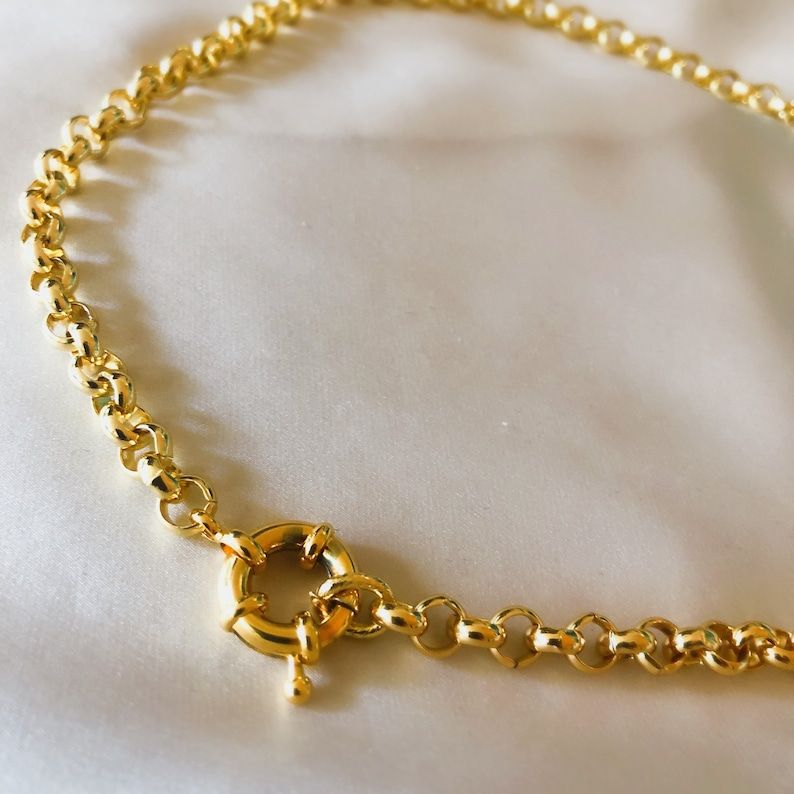
If you run a handmade jewelry business, choosing the right materials can affect your product quality, customer trust, and profit. Gold filled chains are a popular choice for jewelry makers who want the look of gold without the high cost of solid gold. They work well for necklaces, pendants, bracelets, and other handmade pieces. However, not every chain is the same. Before you buy gold filled chains in bulk, you need to check their quality, thickness, color, length, and supplier details. The right choice will help you create jewelry that looks good, lasts longer with proper care, and meets your customers' needs.
1. Understand What Gold Filled Chains Are
Before choosing a chain, learn what gold filled actually means. Gold filled jewelry is made by bonding a layer of real gold to a base metal, often brass. In the United States, gold filled items generally need to contain at least 1/20 gold by weight to use the traditional 1/20 gold-filled designation.
This makes gold filled different from gold plated jewelry. Gold plating usually has a much thinner layer of gold applied to the base metal. Gold filled jewelry has a thicker gold layer that is mechanically bonded to its core.
For your business, this difference matters. Gold filled chains can be a good option if you want to offer jewelry with a gold look at a lower price than solid gold. They can also be more resistant to everyday wear than many gold plated alternatives.
However, gold filled does not mean solid gold, and it does not guarantee that a piece will never fade or wear. Its lifespan depends on the quality of the chain, how it is used, and how well it is cared for.
2. Choose the Right Chain Style for Your Designs
The chain style should match the type of jewelry you plan to make. A delicate necklace needs a different chain from a bold pendant or a chunky bracelet.
Here are some common options to consider:
Cable chains: These have simple, connected links. They are a useful choice for everyday necklaces, small pendants, and minimalist designs.
Rolo chains: These have rounded links and a slightly fuller appearance. They work well for pendants and simple statement pieces.
Curb chains: These feature links that lie close together. They are suitable for modern necklaces and bracelets.
Figaro chains: These use a repeating pattern of links in different sizes. They can add detail without needing extra decoration.
Paperclip chains: These have elongated links and a clean, modern look. They are popular for contemporary handmade jewelry.
Singapore or rope-style chains: Their twisted appearance creates more texture and shine. Check their construction and flexibility before using them for your designs.
Furthermore, think about your target customers. If you sell minimalist jewelry, fine cable chains may suit your collection. If your customers prefer bold accessories, thicker curb or paperclip chains may be a better fit.
Choose styles that match your brand instead of buying every chain available.
3. Check Chain Thickness and Strength
Chain thickness affects both appearance and strength. A thin gold filled chain can look elegant, but it may not be suitable for a heavy pendant or rough daily use.
Before ordering, check the chain's width in millimeters. Do not rely only on terms such as fine, medium, or thick because suppliers may use these words differently.
Consider these general guidelines:
Very fine chains: Best suited to lightweight pendants and delicate necklace designs.
Medium-width chains: Useful for everyday necklaces and small to medium pendants.
Thicker chains: Better suited to bold designs, provided their links and construction are strong enough for the intended use.
These are starting points, not fixed rules. The actual strength depends on the link design, wire thickness, clasp, and construction.
Moreover, check the weight of the pendant before selecting your chain. A heavy pendant attached to a delicate chain may put too much stress on the links and clasp.
If possible, order samples first. Test how the chain moves, how the links connect, and whether the clasp feels secure. This simple step can help you avoid buying a large quantity of unsuitable stock.
4. Select the Right Chain Length
Chain length affects how a necklace sits on the body. It also changes the overall appearance of your handmade jewelry.
Common necklace lengths include:
14–16 inches: Often used for shorter necklaces and choker-style designs.
18 inches: A common choice for everyday necklaces.
20–24 inches: Suitable for longer necklaces and many pendant designs.
26 inches and longer: Useful for long necklaces, layering, and certain statement styles.
These lengths are general guides. The final fit depends on the customer's neck size, the pendant, and the design.
If you sell online, offering more than one length can help customers find a better fit. You can also use adjustable chains or extension chains to give buyers more flexibility.
For handmade jewelry businesses, consistency is important. Confirm whether the listed chain length includes the clasp and whether the supplier measures the chain before or after adding its findings. This helps you list accurate product measurements and reduce customer complaints.
5. Look for Clear Gold Quality and Material Details
Never choose gold filled chains based on appearance alone. Two chains may look similar in product photos but have different materials and construction.
Ask the supplier for the exact gold filled specification. For example, a product may be described as 14/20 gold filled or 18/20 gold filled. These markings can indicate the gold content and karat, but you should confirm the supplier's terminology and product documentation.
You should also check:
The base metal used in the chain.
The gold karat and gold filled designation.
Whether the clasp and connecting rings are also gold filled.
Whether the chain is sold as finished jewelry chain or as a component for jewelry making.
Whether the supplier provides clear material specifications.
Indeed, these details matter when you sell finished necklaces. A chain may be gold filled while its clasp or jump rings use a different material. If you describe the entire necklace as gold filled, make sure the description accurately reflects every component.
Do not assume that every gold filled product is nickel-free or suitable for every person with sensitive skin. Ask for specific documentation if you intend to make claims about nickel content or skin sensitivity.
6. Compare Gold Filled Chains With Gold Plated and Solid Gold
Understanding the differences between these materials helps you choose the right option for your price range and brand.
Feature |
Gold filled |
Gold plated |
Solid gold |
Gold content |
Thick bonded gold layer |
Thin surface layer |
Gold alloy throughout |
Typical price |
Mid-range |
Usually lower |
Usually higher |
Wear resistance |
Generally better than basic gold plating |
Depends on plating quality and thickness |
Depends on alloy and construction |
Best business use |
Quality-focused everyday jewelry |
Budget-friendly designs |
Premium and fine jewelry |
Main consideration |
Verify the gold filled specification |
Check plating quality and thickness |
Higher material cost |
Gold filled chains often offer a practical middle ground for small jewelry businesses. They can help you create products that look premium without the material cost of solid gold.
However, do not make claims that gold filled chains are identical to solid gold or that they will never tarnish. Honest product descriptions help customers understand what they are buying and what care the jewelry needs.
7. Find a Reliable Gold Filled Chain Supplier
Your supplier can affect the quality and consistency of every piece you sell. A low price may seem attractive, but it is not a good deal if the chains arrive with weak links, inconsistent colors, or incorrect material descriptions.
Before placing a bulk order, review the following points:
Product specifications: The supplier should clearly state the gold karat, gold filled designation, chain width, length, and base metal.
Sample availability: Ask whether you can purchase a small sample before committing to a larger order.
Consistent stock: If you plan to sell the same necklace for months, check whether the supplier can provide the same chain style and specifications again.
Returns and replacements: Understand the supplier's policy for damaged, incorrect, or defective products.
Customer reviews: Look for feedback about actual product quality, packaging, delivery, and customer service. Do not rely only on product photos or promotional claims.
Business support: A useful supplier should answer questions about materials and measurements clearly.
Furthermore, compare the full cost of buying from different suppliers. Shipping charges, import duties, minimum order quantities, and packaging costs may change the final price.
8. Calculate Your Costs Before Buying in Bulk
Choosing good materials is important, but your business also needs to make a profit. Calculate the cost of the chain alongside every other component used to make the finished jewelry.
For example, your total product cost may include:
Gold filled chain.
Pendant, charm, or decorative elements.
Clasps and jump rings.
Labor and assembly time.
Packaging.
Shipping and other order-related expenses.
Suppose the materials for a necklace cost $6, assembly costs $3, and packaging costs $1. Your total cost before other business expenses is $10.
If you sell that necklace for $25, your gross profit before other expenses is $15. Your gross margin is 60%.
The calculation is:
Gross margin = (Selling price − Total cost) ÷ Selling price × 100
Use your actual supplier prices and labor costs when setting your prices. Remember that payment fees, advertising, returns, taxes, and overhead can reduce the amount you keep.
Moreover, buying gold filled chains in bulk may reduce the price per unit, but only if you can use the stock. Start with a smaller order, test your designs, and increase your order size when you know which styles sell well.
9. Test the Chains Before Using Them in Finished Jewelry
A chain can look excellent in a supplier's photos and still fail to meet your needs. Test samples before turning them into products for customers.
Check the links for gaps, sharp edges, and uneven finishes. Open and close the clasp several times to see whether it works smoothly. Check the chain's flexibility and make sure the design sits well around the neck or wrist.
You can also assemble a sample necklace and wear-test it under normal conditions. Look for unexpected color changes, weak connections, or other visible problems.
Avoid harsh chemical tests or aggressive polishing that could damage the gold layer. Instead, follow the supplier's care instructions and use normal handling conditions.
Keep notes about each supplier and chain style. Record the specifications, sample results, purchase price, and any issues you find. This makes it easier to reorder products that meet your standards.
10. Store and Care for Gold Filled Chains Properly
Good storage helps protect your inventory before it reaches the customer. Keep gold filled chains dry and store them separately when possible to reduce tangling and scratches.
Avoid storing them in damp areas or leaving them in contact with perfumes, cleaning products, and other chemicals. Follow the supplier's cleaning instructions, and avoid harsh abrasives that may wear down the gold layer.
For finished jewelry, include a simple care card with each order. Tell customers to remove their jewelry before swimming, showering, exercising, or using cleaning chemicals when practical. Recommend gentle cleaning with a soft cloth.
These steps cannot prevent every sign of wear, but they can help customers maintain their jewelry for longer.
11. Write Accurate Product Descriptions for Your Customers
Once you have chosen your gold filled chains, explain their features clearly on your product pages. Customers should not have to guess what they are buying.
Include the chain length, width, gold karat, gold filled specification, clasp material, pendant details, and care instructions where relevant.
For example, instead of writing only "Beautiful Gold Necklace," use a description such as:
"Handmade necklace featuring a 14/20 gold filled chain, an 18-inch length, and a simple pendant. Designed for everyday styling. Keep dry when possible and clean gently with a soft cloth."
Use this example only if those specifications match your actual product.
Clear descriptions can improve the shopping experience, support informed buying decisions, and help attract customers searching for gold filled necklaces and handmade jewelry.
Final Thoughts
Choosing the right gold filled chains takes more than finding a style you like. You need to understand the material, check the chain's strength, choose the right length, verify the supplier's claims, and calculate your costs.
Start with a few reliable chain styles that match your customers and your brand. Order samples, test them, and keep records of the suppliers that meet your quality standards. Furthermore, use accurate product descriptions and provide clear care instructions.
With careful buying and consistent quality checks, you can build a handmade jewelry collection that looks good, meets customer expectations, and supports the long-term growth of your business.