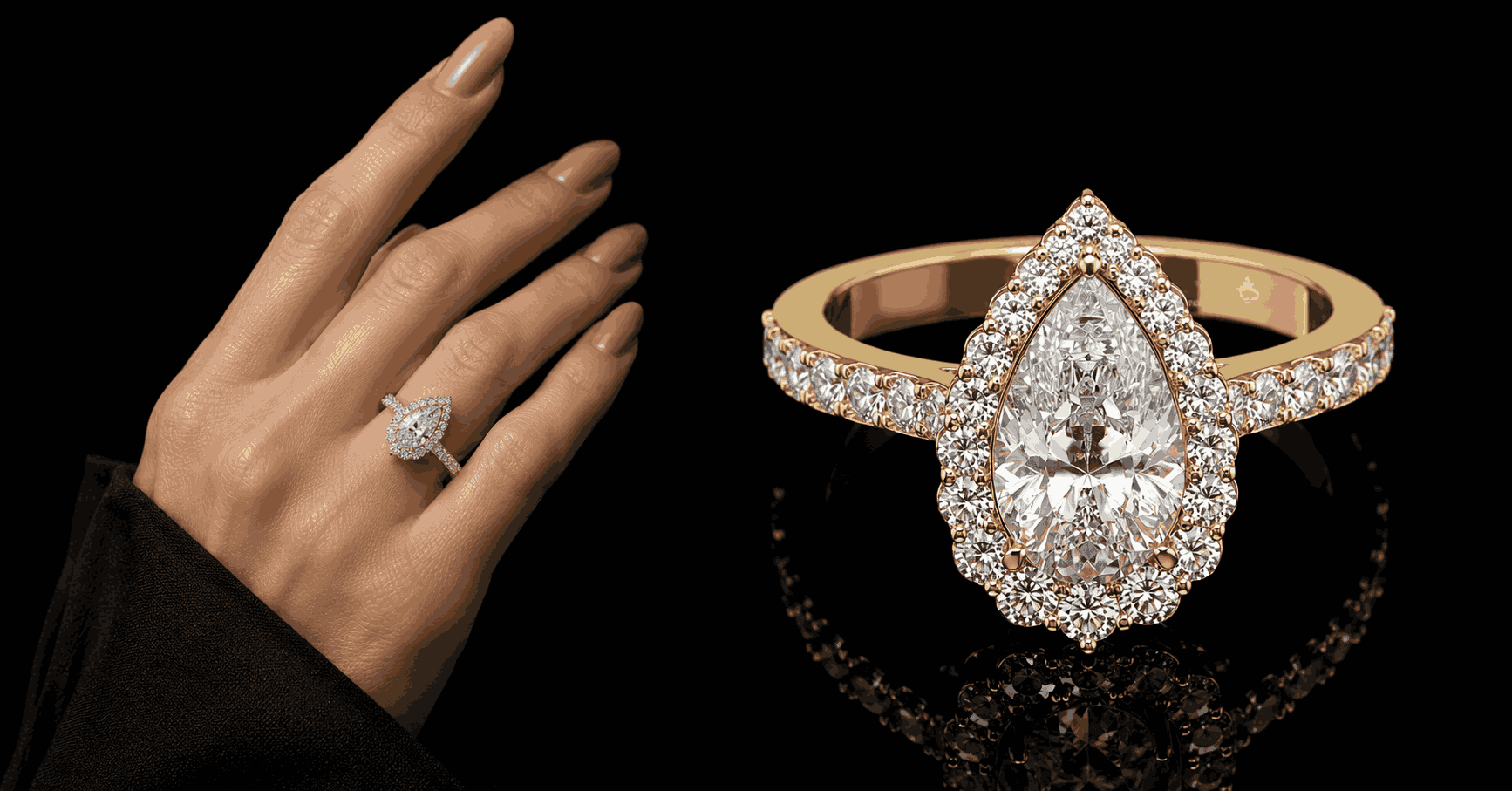
Gold Rings for Women: How to Choose the Right Style, Gold Colour, Shape & Fit
-
- Published Updated
- 1,829 views
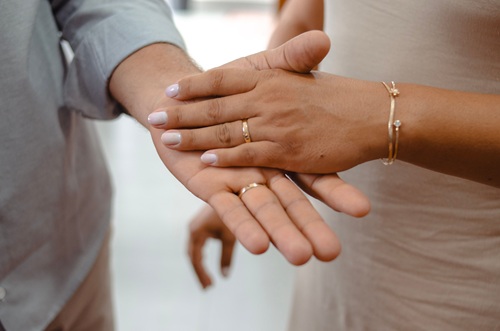
Choosing gold rings for women involves more than selecting a design that looks appealing on a shelf. Gold colour, karat purity, band shape, and fit each affect how a ring holds up and how comfortable it remains through daily wear. A ring bought for gifting, for an occasion, or for everyday use should be assessed against these factors first, since overlooking them is often what leads to a piece that stays in a drawer rather than getting worn.
Quick Summary
- Yellow gold suits a wide range of skin tones and has stayed popular for decades
- 14k gold holds up better for daily wear; 18k gold offers a deeper colour and higher purity
- The UK uses its own ring sizing scale, so checking a size chart matters, especially for online orders
- Band width and shape determine how a ring feels after hours of continuous wear
- Gold colour, shape and fit work best when chosen together, not as three separate decisions
Practical Information Table
Consideration |
Best For |
Key Point |
14k Gold |
Everyday wear, active routines |
More durable, resists scratching |
18k Gold |
Occasional wear, special pieces |
Richer colour, higher gold content |
Yellow Gold |
Warm skin tones, classic designs |
Long-standing appeal, versatile |
Rounded Band |
All-day, continuous wear |
Fewer pressure points on the finger |
UK Ring Sizing |
UK-based buyers |
Letter scale (e.g. J, L, N) |
What Makes Women's Gold Rings a Timeless Choice?
Gold has held its position as a preferred jewellery metal for a mix of practical and visual reasons. It resists tarnish, complements most skin tones, and works in both minimal, everyday pieces and more elaborate designs. Women's gold rings also tend to hold their value better than several alternative metals, which adds a practical angle to what is otherwise a style decision.
Some of this staying power comes down to how adaptable the metal is. A ring bought for one setting rarely looks out of place in another; the same piece can move between formal wear and daily use without needing to be swapped out. That flexibility is a large part of why gold rings continue to sit in most jewellery collections, largely untouched by shorter-lived trends.
Yellow Gold Rings: Why They Never Go Out of Style
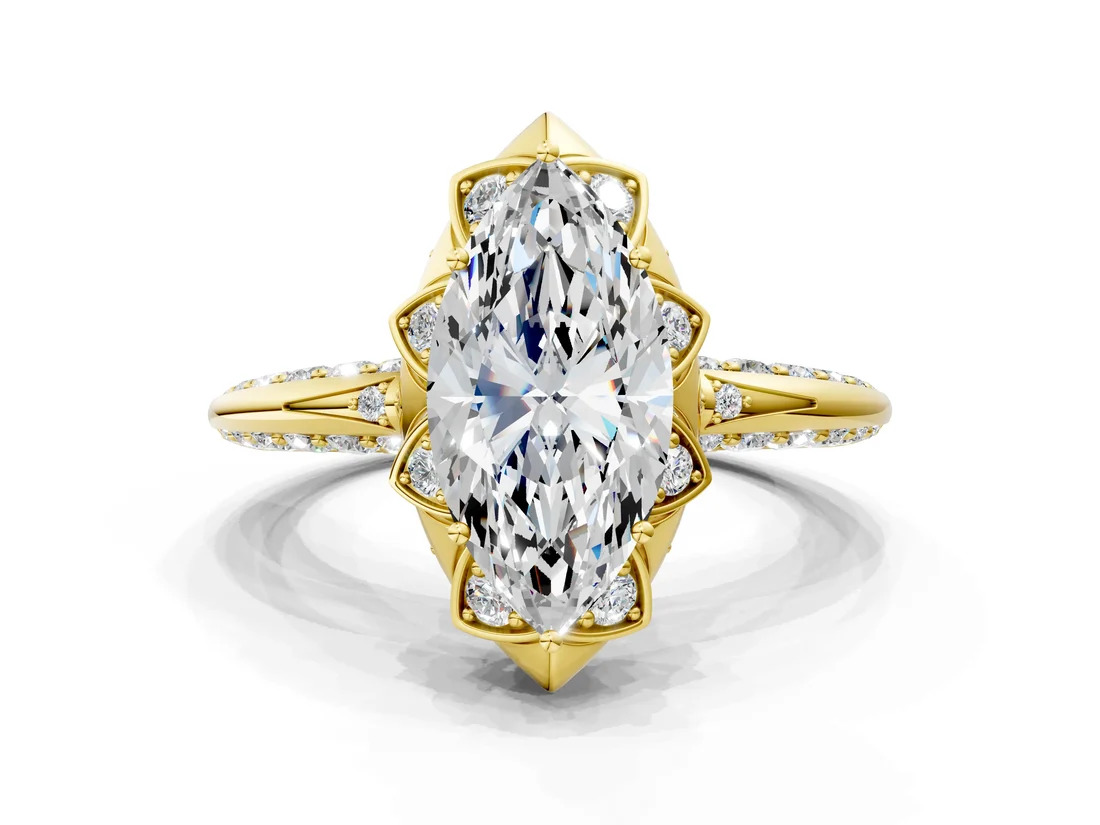
Yellow gold has a warmth that other metals don't quite match. It tends to sit well against warmer skin undertones, though a well-considered design can make it work for cooler undertones too. Trends in metal finishes come and go, but yellow gold has kept its place because it reads as classic rather than dated, a distinction that matters more the longer a ring is expected to last.The colour also ages well, which is worth factoring in for a purchase meant to outlast a season or two. It's part of why many buyers gravitate toward yellow gold specifically: it sits easily alongside other gold pieces already owned, without the need to match metals precisely each time something new is added.
14k vs 18k Gold Rings: Which One Should You Buy
Deciding between 14k and 18k gold usually comes down to how often the ring will be worn, and whether durability or purity matters more for that particular piece.14k gold is approximately 58% pure gold mixed with stronger alloy metals which makes it more resistant to scratches and dents, making it a practical option for rings that are worn everyday including engagement or wedding rings. 18k gold is closer to 75% pure gold and therefore a deeper colour, but the metal is softer and shows wear more easily over time. The price generally follows the purity, so 18k gold will generally cost more than 14k gold.If a ring comes off often or is saved for occasions, 18k gold is a fair choice. For something worn constantly, particularly with an active routine, 14k gold usually holds up better while still looking like genuine gold.
Choosing Gold Rings for Women in the UK: Sizing and Style Tips
There's one additional consideration when buying gold rings for women in the UK: getting the right ring size. The UK uses a letter-based scale, running roughly from A to Z, which doesn't match the numerical systems used in the US and elsewhere. Getting this wrong is one of the more common reasons rings end up needing resizing after purchase, so checking a proper UK size chart, or getting measured in person, saves a returns headache later.Beyond sizing, buyers in the UK often look for rings that can handle everyday wear and the country's changeable weather, so durability tends to sit alongside appearance as a priority. Rings bought as gifts lean toward adjustable designs or standard sizing, since the exact fit isn't always known ahead of time.
Shape, Fit, and Colour: Getting Your Gold Ring Right First Time
With gold colour and karat settled, shape and fit are next. Rounded or slightly domed bands are the most comfortable for all-day wear, while flatter or more angular bands are better for occasional wear or as statement pieces. Finger shape plays into this too: narrower bands can make shorter fingers look longer, while wider bands generally suit longer fingers.Fit matters just as much as any of this. A ring that pinches or slides around rarely gets worn, no matter how good it looks on paper. Treating shape, fit and gold colour as connected choices, rather than picking each one in isolation, is usually what makes the difference between a ring worn daily and one left in a drawer.
Conclusion
Choosing the right gold rings for women gets easier once these basics are in place. Knowing the difference between 14k and 18k gold, understanding why yellow gold has held its appeal, and factoring in UK sizing and band shape all matter in finding a ring that lasts.
FAQ's
1. What karat of gold is best for an everyday ring? 14k gold tends to suit daily wear better, since its alloy content resists scratches and general wear more effectively than 18k gold.
2. Does yellow gold suit all skin tones? Yellow gold generally suits warmer undertones best, though it can work for cooler undertones depending on the ring's design and finish.
3. How do I find my correct UK ring size? The UK uses a letter-based sizing system. Getting measured at a jeweller or using a printable UK ring sizer at home are the two most reliable methods.
4. Is 18k gold too soft for regular use? It can be worn regularly, but 18k gold is softer than 14k and shows wear more visibly over time, so it needs a bit more care.
5. What ring shape is most comfortable for all-day wear? Rounded or slightly domed bands are usually the most comfortable for continuous wear, since they sit against the finger without sharp edges.