Lab Grown Diamonds Singapore | Michael Trio Collection
-

- Published Updated
- 3,219 views

Diamonds have always represented love, commitment, elegance, and timeless beauty. With advances in technology, modern jewellery shoppers now have more options when choosing a diamond for an engagement ring, wedding band, necklace, bracelet, or special gift. Lab Grown Diamonds have become an increasingly popular choice for people who want a genuine diamond produced through advanced technology in a controlled environment.
Michael Trio offers a selection of Lab Grown Diamonds for shoppers in Singapore who want to explore different shapes, sizes, colours, clarity grades, and styles. Whether you are planning a proposal, celebrating a wedding anniversary, or searching for a beautiful diamond for a custom jewellery design, understanding lab-grown diamonds can help you make a confident decision.
What Are Lab Grown Diamonds?
Lab Grown Diamonds are diamonds created in controlled laboratory environments using advanced technological processes. Unlike natural diamonds, which form deep within the Earth over geological timescales, laboratory-grown stones are produced under controlled conditions designed to replicate aspects of the natural diamond-growth process.
Lab-grown diamonds have the same fundamental chemical composition and crystal structure as diamond. They also possess the characteristic hardness, brilliance, and optical properties associated with diamond.
The primary difference between lab-grown and naturally formed diamonds is their origin. This distinction gives modern jewellery shoppers another option when selecting a diamond for an important purchase.
Why Choose Lab Grown Diamonds?
There are several reasons shoppers consider Lab Grown Diamonds when buying jewellery. One important factor is the variety available across different shapes, sizes, colours, and quality characteristics.
Lab-grown diamonds can be used in many types of jewellery, including engagement rings, wedding bands, earrings, necklaces, pendants, and bracelets. This versatility makes them suitable for both traditional and contemporary designs.
Another consideration is budget flexibility. Depending on the individual stone and market conditions, lab-grown diamonds may provide shoppers with different opportunities when allocating their jewellery budget. This can allow buyers to explore various combinations of carat weight, cut, colour, and clarity.
The right choice ultimately depends on your personal preferences, jewellery requirements, and priorities.
How Are Lab Grown Diamonds Created?
Understanding how Lab Grown Diamonds are produced can help you appreciate what makes them different from naturally formed stones.
Two widely recognised technologies used to produce laboratory-grown diamonds are Chemical Vapour Deposition, commonly known as CVD, and High Pressure High Temperature, known as HPHT.
CVD involves growing diamond material in a controlled chamber using carbon-containing gases under carefully managed conditions. The diamond develops layer by layer on a diamond substrate.
HPHT technology uses high pressure and high temperature to recreate conditions associated with diamond formation. These controlled conditions allow carbon material to crystallise into diamond.
The specific method used can vary depending on the manufacturer and stone. Regardless of the method, the resulting material is diamond.
Lab Grown Diamonds vs Natural Diamonds
One of the most common questions shoppers ask is how Lab Grown Diamonds compare with natural diamonds.
The primary difference is origin. Natural diamonds develop through geological processes over extremely long periods, while laboratory-grown diamonds are produced using controlled technological processes.
Both are composed of carbon arranged in the characteristic crystal structure of diamond. Both can exhibit brilliance, durability, and the optical properties expected from diamond jewellery.
Specialised gemological equipment can distinguish laboratory-grown diamonds from natural diamonds by identifying characteristics related to their growth environment and origin.
When choosing between the two, consider factors such as personal preferences, budget, jewellery design, and your priorities regarding diamond origin.
Understand the Four Cs
Before buying Lab Grown Diamonds, it is important to understand the four Cs: cut, colour, clarity, and carat.
Cut
Cut describes how the diamond has been proportioned, shaped, and finished to interact with light. A well-cut diamond can display attractive brilliance and sparkle.
Colour
Colour describes the degree of colour visible in a diamond. Many shoppers prefer diamonds with a bright, near-colourless appearance, although individual preferences can vary.
Clarity
Clarity refers to internal characteristics and surface features. Different clarity grades indicate differences in the number, size, location, and visibility of inclusions and blemishes.
Carat
Carat refers to diamond weight. A larger carat weight does not automatically mean a better diamond. Cut, colour, clarity, and shape all contribute to the overall appearance.
Considering the four Cs together can help you select Lab Grown Diamonds that balance beauty, quality, and budget.
Explore Different Diamond Shapes
Shape is one of the first things people notice when viewing a diamond. Lab Grown Diamonds are available in a variety of shapes, making them suitable for different jewellery styles.
Round brilliant diamonds are a classic choice and are widely appreciated for their traditional appearance and brilliance. Oval diamonds offer an elongated silhouette that can create an elegant look.
Emerald-cut diamonds feature a step-cut design with broad, clean reflections. Cushion diamonds have softer corners and a romantic appearance.
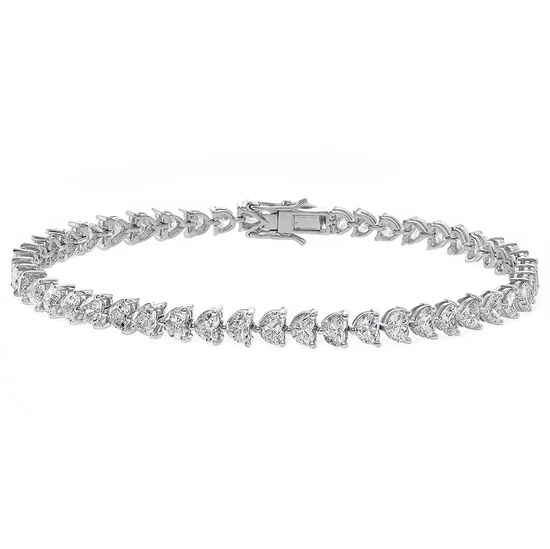
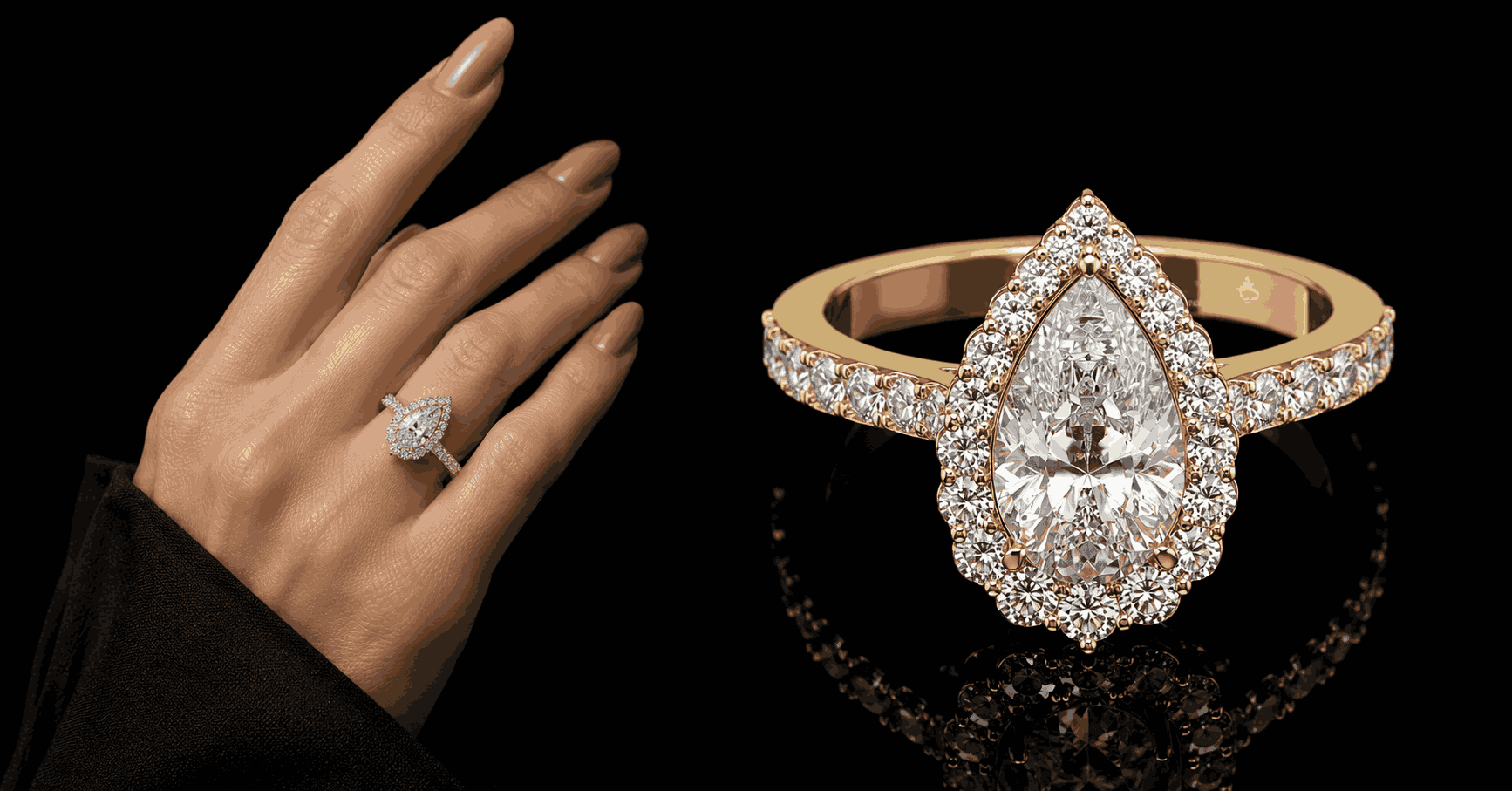
Pear-shaped diamonds combine a rounded end with a pointed tip, while princess-cut diamonds offer a more geometric and contemporary appearance. Marquise, radiant, and heart-shaped diamonds provide additional options.
When choosing a diamond shape, think about the jewellery setting and the personality of the person who will wear it.
Lab Grown Diamonds for Engagement Rings
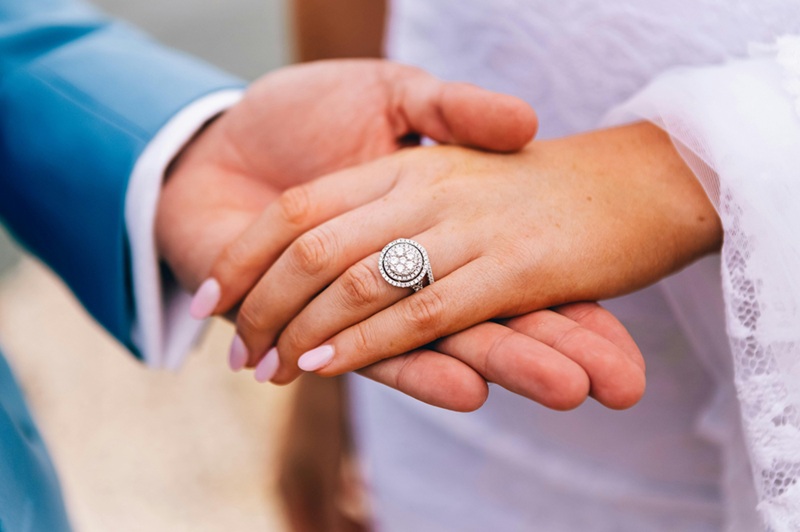
Engagement rings are one of the most popular applications for Lab Grown Diamonds. The centre diamond often serves as the focal point, making its shape, size, cut, and setting particularly important.
A solitaire setting can highlight a single centre diamond and create a timeless appearance. Halo settings surround the centre stone with smaller diamonds for additional sparkle.
Three-stone designs can provide symbolic meaning, while contemporary settings can create a distinctive modern aesthetic.
When selecting an engagement ring, consider your partner's personal jewellery style. The best design should reflect who they are rather than simply following current trends.
Lab Grown Diamonds for Wedding Bands
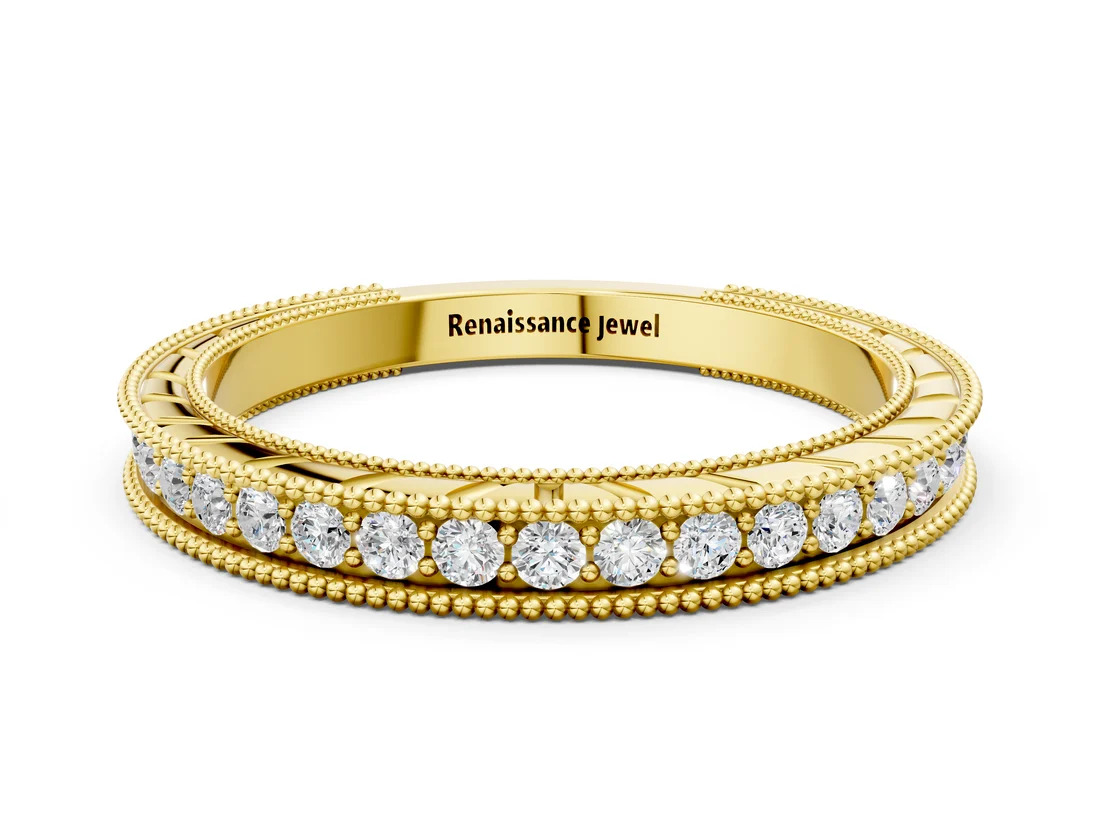
Lab Grown Diamonds can also be used in wedding bands. A diamond-accented wedding band can complement an engagement ring while providing additional sparkle.
Some designs use small diamonds across the front of the band, while others feature more subtle arrangements. Couples can choose a style based on their preferred level of brilliance and overall jewellery aesthetic.
Matching the metal and design of the wedding band with the engagement ring can create a coordinated bridal set, although contrasting designs can also create a modern look.
Diamond Jewellery Beyond Engagement Rings
The versatility of Lab Grown Diamonds means they can be incorporated into many other jewellery designs.
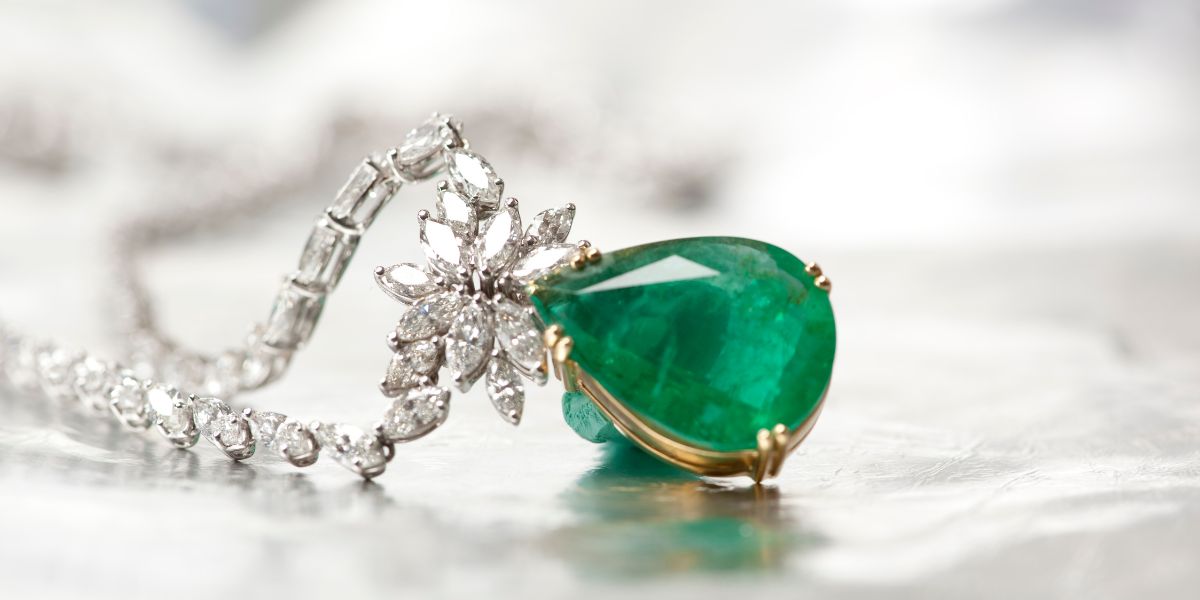
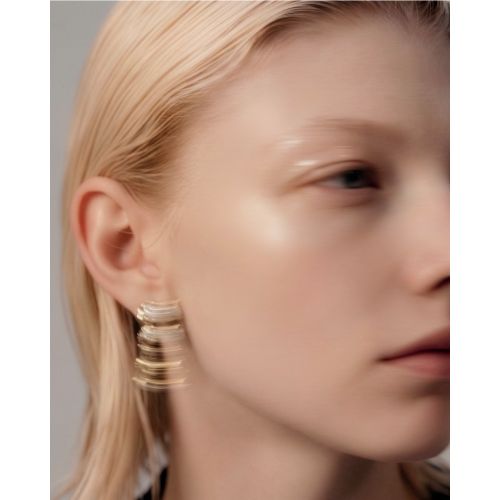
Diamond earrings can provide an elegant accessory for everyday or formal wear. A diamond pendant can create a subtle focal point around the neckline, while a diamond bracelet can add refined sparkle to an outfit.
Lab-grown diamonds can also be used for anniversary jewellery, personalised gifts, and other meaningful occasions.
Because jewellery designs vary widely, the appropriate diamond shape and size depend on the final piece you want to create.
Choose the Right Carat Weight
Carat weight is an important consideration when shopping for Lab Grown Diamonds, but it should not be viewed in isolation.
A larger diamond can provide greater visual presence, but the overall appearance is also influenced by cut quality, shape, colour, clarity, and setting.
Certain diamond shapes can appear larger from the top because of their proportions. For this reason, comparing diamonds based on their overall appearance and specifications can be more useful than focusing only on carat weight.
Consider Your Budget
Setting a budget before purchasing Lab Grown Diamonds can make the selection process easier. Determine how much you are comfortable spending and then decide which diamond characteristics matter most to you.
Some shoppers prioritise carat weight, while others prefer excellent cut quality or a particular shape. By identifying your priorities, you can compare different combinations and select a diamond that fits your expectations.
A meaningful diamond does not have to be the largest or most expensive option. The right stone is one that matches your jewellery design, preferences, and budget.
Diamond Certification and Grading
When purchasing Lab Grown Diamonds, grading information can provide useful details about the stone's characteristics.
A diamond grading report may include information about carat weight, colour, clarity, cut, measurements, and other characteristics, depending on the grading organisation.
Reviewing available documentation allows buyers to compare stones based on documented specifications. This can provide additional confidence when making an important jewellery purchase.
Why Choose Michael Trio?
Michael Trio offers a range of jewellery and diamond options for shoppers with different tastes and requirements. Customers interested in Lab Grown Diamonds can explore different shapes, sizes, and quality characteristics.
Having access to different diamond options makes it easier to compare stones and select one that suits your intended jewellery design.
Whether you are looking for an engagement ring, wedding band, pendant, earrings, or another piece of jewellery, the right diamond can help create a design that feels personal and meaningful.
Tips for Buying Lab Grown Diamonds
Before purchasing Lab Grown Diamonds, keep the following tips in mind:
Establish your jewellery budget.
Learn about cut, colour, clarity, and carat.
Choose a diamond shape that suits your intended design.
Compare different stones rather than focusing on one characteristic.
Review available grading and certification information.
Consider the metal and setting of the finished jewellery.
Think about your partner's personal style if buying a gift.
Consider the difference between natural and laboratory-grown diamond origins.
Choose a size that works comfortably within your budget.
Select a trusted jewellery retailer.
Take your time before making a final decision.
These considerations can make your diamond-shopping experience more organised and rewarding.
Frequently Asked Questions
1. What are Lab Grown Diamonds?
Lab Grown Diamonds are diamonds produced in controlled laboratory environments using advanced diamond-growing technologies. They have the same fundamental chemical composition and crystal structure as diamond.
2. Are Lab Grown Diamonds real diamonds?
Yes. Lab-grown diamonds are diamond material, not diamond imitations. Their primary difference from natural diamonds is their origin.
3. How are Lab Grown Diamonds made?
They are commonly produced using CVD or HPHT technology. Both processes create controlled conditions that allow diamond material to grow.
4. Are Lab Grown Diamonds suitable for engagement rings?
Yes. Lab Grown Diamonds can be used as centre stones or accent stones in engagement rings and can be incorporated into various jewellery settings.
5. Are Lab Grown Diamonds available in different shapes?
Yes. They can be produced and cut into various shapes, including round, oval, emerald, cushion, pear, princess, radiant, and other styles.
6. How should I choose a lab-grown diamond?
Consider the four Cs—cut, colour, clarity, and carat—along with diamond shape, grading information, budget, and the intended jewellery design.
7. Can Lab Grown Diamonds be used for wedding jewellery?
Yes. They can be incorporated into wedding bands, earrings, necklaces, bracelets, pendants, and other jewellery designs.
8. Why choose Michael Trio for Lab Grown Diamonds?
Michael Trio offers a collection of laboratory-grown diamond options that allows customers to explore different shapes, sizes, and quality characteristics for their jewellery requirements.
Conclusion
Lab Grown Diamonds provide modern jewellery shoppers with another way to enjoy the beauty and characteristics of diamond. Created using advanced technology in controlled environments, these diamonds offer an alternative origin while maintaining the fundamental chemical composition and crystal structure associated with diamond.
When choosing a stone, consider the four Cs, diamond shape, carat weight, grading information, jewellery setting, and your personal budget. Comparing these characteristics together can help you identify a diamond that offers the right balance of appearance and value for your requirements.
Michael Trio provides shoppers with opportunities to explore a range of diamond and jewellery choices. Whether you are selecting an engagement ring, wedding band, anniversary gift, or another meaningful piece, taking the time to understand your options can help you make a confident decision.
Explore the Michael Trio collection of Lab Grown Diamonds to discover a diamond suited to your style, occasion, and jewellery vision.