Green Construction Market Expected to Surpass USD 1.3 Trillion by 2035
-
- May 16th, 2026
- 5,545 views

FREE SEO Topical Map Generator: Find Your Next Content Ideas
Pollution-Free Construction Market Size
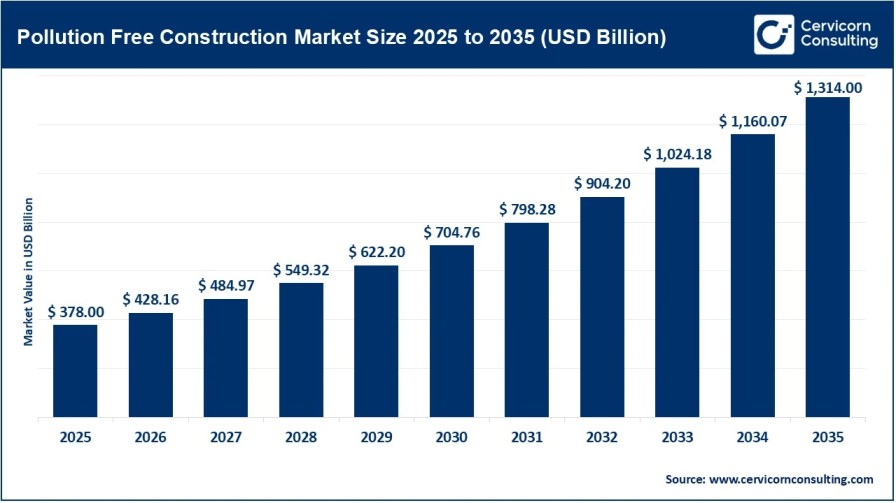
The global pollution-free construction market reached an estimated value of USD 378 billion in 2025 and is expected to climb to nearly USD 1,314 billion by 2035. The industry is forecast to witness a strong CAGR of 13.2% during the period from 2026 to 2035, fueled by the rising demand for sustainable infrastructure and environmentally friendly construction solutions.
Introduction to the Pollution-Free Construction Market
The pollution-free construction market involves the adoption of sustainable construction methods, green building materials, and innovative technologies that help minimize environmental impact during construction operations. The market emphasizes lowering carbon emissions, reducing air and water pollution, controlling construction waste, and improving energy efficiency in infrastructure development.
Major elements of the market include:
- Eco-friendly construction materials
- Energy-efficient building systems
- Sustainable concrete and low-carbon cement
- Prefabricated and modular construction solutions
- Renewable energy-powered infrastructure
- Advanced recycling and waste management technologies
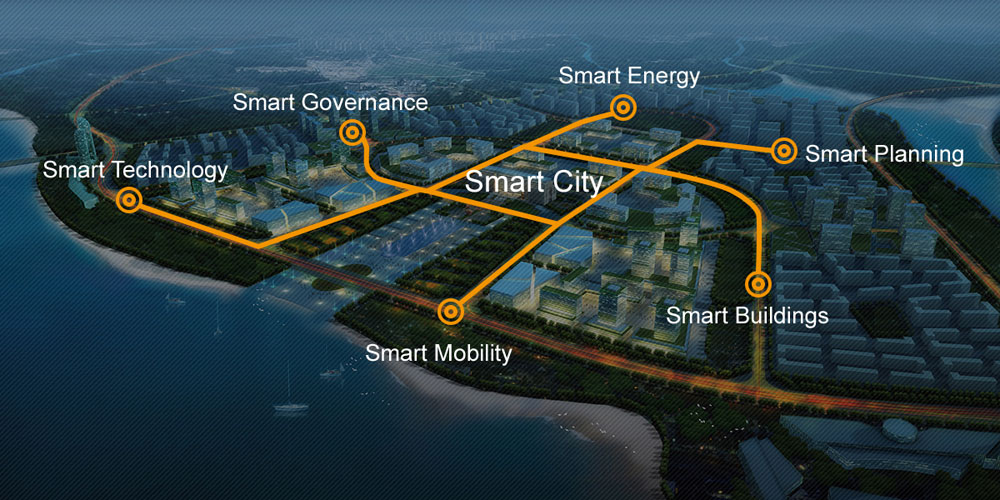
- Sustainable smart city and urban development projects
The primary goal of the industry is to develop environmentally responsible, cost-effective, and durable infrastructure solutions for long-term sustainability.
Get a Free Sample Report: Request Sample Report
Major Growth Factors Driving the Market
Stringent Environmental Policies
Regulatory authorities across the world are implementing strict environmental standards to reduce pollution generated by the construction industry. Certifications such as LEED and BREEAM are encouraging builders and developers to embrace sustainable construction practices.
Growing Popularity of Green Buildings
There is increasing demand from both consumers and businesses for eco-friendly buildings that offer lower energy consumption, reduced operating costs, and healthier indoor environments. This trend is boosting investments in sustainable residential and commercial infrastructure.
Rapid Urban Development
Expanding urbanization, particularly in emerging economies, is creating substantial demand for sustainable infrastructure projects. The growth of smart cities and environmentally conscious urban planning initiatives is further accelerating market expansion.
Technological Advancements in Construction
Innovative technologies including AI-driven building management systems, IoT-enabled monitoring, robotics, and digital twin technologies are helping construction companies improve productivity while reducing environmental impact.
Emerging Trends in the Pollution-Free Construction Market
Increased Use of Sustainable Materials
Construction firms are rapidly adopting materials such as recycled steel, bamboo, low-carbon concrete, and green insulation products to reduce energy consumption and construction waste.
Rising Demand for Modular Construction
Modular and prefabricated construction techniques are gaining traction because they help minimize material wastage, lower site pollution, and speed up project completion.
Integration of Renewable Energy Systems
Modern construction projects are increasingly incorporating solar energy systems, smart grids, and advanced energy storage technologies to reduce dependence on conventional power sources.
Smart Construction Technologies
The use of automation, AI, IoT, and intelligent monitoring systems is transforming the construction industry by improving resource management, operational efficiency, and sustainability outcomes.
Challenges Hindering Market Expansion
Despite significant growth opportunities, the pollution-free construction market still faces certain limitations, such as:
- High initial capital investment
- Limited awareness in developing regions
- Complex environmental regulations
- Shortage of skilled workforce
- Supply chain challenges for sustainable materials
Nevertheless, ongoing technological innovations and supportive government initiatives are expected to help address these challenges over the forecast period.
Regional Market Overview
North America
North America continues to dominate the pollution-free construction market due to stringent environmental regulations, widespread adoption of advanced green building technologies, and rising investments in sustainable infrastructure projects. Government initiatives promoting energy-efficient buildings, carbon reduction targets, and green certifications such as LEED are significantly encouraging the adoption of eco-friendly construction practices across the region. The presence of leading construction technology companies, strong awareness regarding environmental sustainability, and increasing demand for smart commercial and residential buildings further support market expansion. Additionally, ongoing investments in renewable energy integration, modular construction, and smart city development are expected to strengthen the region’s market position throughout the forecast period.
Europe
Europe remains one of the leading regions in the pollution-free construction market, driven by its strong commitment to carbon neutrality and sustainable urban development. Countries across the region are heavily investing in renewable energy infrastructure, energy-efficient buildings, and zero-emission construction initiatives to meet ambitious climate goals established by the European Union. Strict environmental regulations, circular economy policies, and increasing adoption of sustainable construction materials are accelerating market growth. Furthermore, rising government funding for green infrastructure projects, along with growing consumer preference for environmentally responsible housing and commercial spaces, continues to create significant opportunities for pollution-free construction companies across Europe.
Asia-Pacific
The Asia-Pacific region is projected to witness the fastest growth in the pollution-free construction market due to rapid industrialization, expanding urban populations, and increasing government support for sustainable construction development. Emerging economies such as China, India, Japan, and Southeast Asian countries are experiencing substantial infrastructure expansion, creating strong demand for environmentally friendly construction solutions. Governments throughout the region are actively promoting green building standards, smart city projects, and renewable energy-powered infrastructure to reduce pollution and improve urban sustainability. In addition, growing awareness regarding environmental protection, rising investments in modern construction technologies, and increasing adoption of prefabricated and modular construction methods are expected to drive robust market growth across Asia-Pacific over the coming years.
Future Market Outlook
The future of the pollution-free construction market appears highly promising as sustainability becomes a major priority in global infrastructure planning. Increasing environmental concerns, green financing programs, and continuous advancements in eco-friendly building materials are expected to support long-term market growth.
Furthermore, the growing adoption of smart city technologies, renewable energy integration, and low-emission construction methods is likely to reshape urban infrastructure development worldwide. Companies investing in sustainable construction solutions are expected to strengthen their competitive position in the global market.
For detailed market research and industry updates, visit the Cervicorn Consulting Official Website.