Grow Revenue with an IT Services Ad Platform: A Practical Guide
-
- February 23rd, 2026
- 1,197 views
An IT services ad platform can help technology firms, managed service providers (MSPs), and software vendors reach qualified buyers, generate leads, and improve marketing ROI. This guide explains how an IT services ad platform works, what benefits to expect, and practical steps to set up campaigns that align with business goals.
- An IT services ad platform centralizes ad buying, targeting, and analytics for IT products and services.
- Key benefits include precise audience targeting, lead generation, conversion tracking, and scalable campaign management.
- Follow compliance guidance from regulators and industry bodies; measure performance with KPIs like CPA, CPL, and LTV.
How an IT services ad platform works
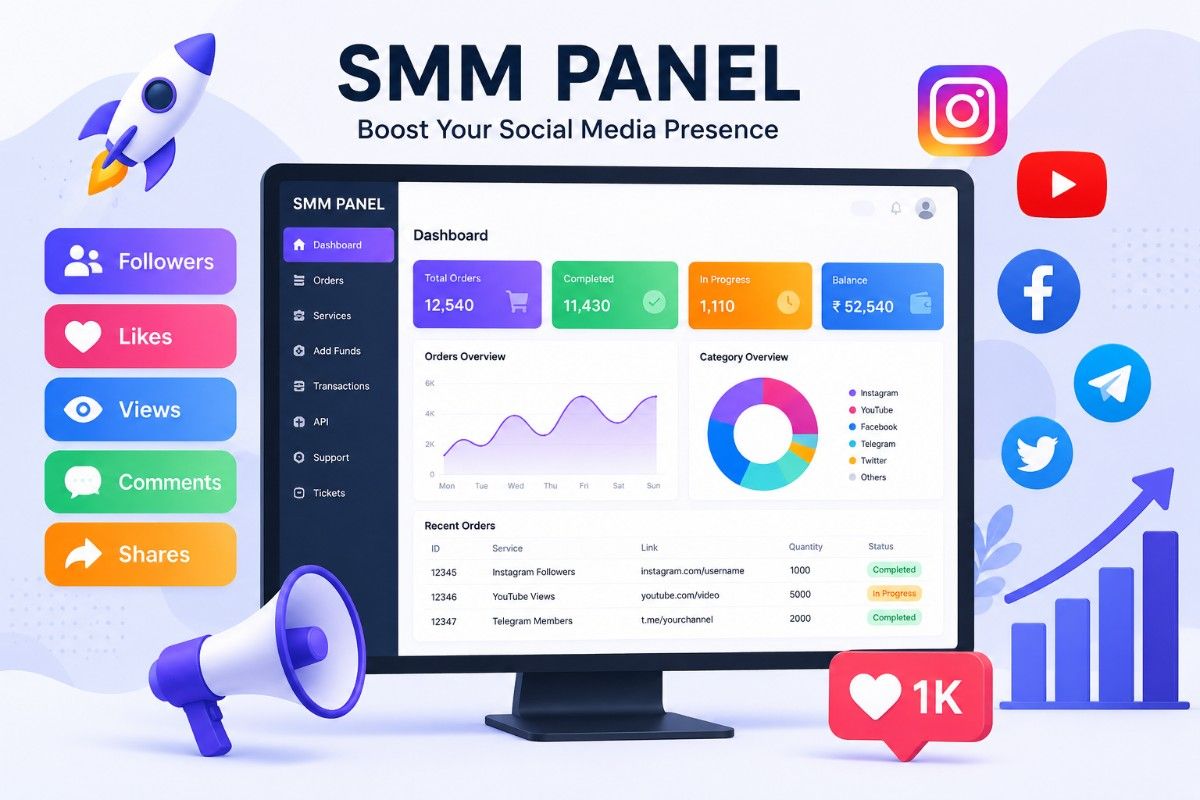
An IT services ad platform combines audience data, bidding controls, creative management, and analytics to place ads across search, social, display, and programmatic channels. Platforms offer targeting by firmographics (company size, industry), technographics (software or cloud platforms in use), intent signals (search queries, content engagement), and behavioral segments. For IT and cybersecurity services, platforms can prioritize accounts that match ideal customer profiles and support account-based marketing (ABM) workflows.
Benefits of using an ad platform for IT services
Using a dedicated ad platform streamlines ad operations and improves return on ad spend (ROAS). Key advantages include:
- Audience segmentation: Reach decision-makers like CTOs, IT managers, and procurement teams based on role, company size, and technology stack.
- Lead generation and nurturing: Integrate landing pages, forms, and CRM to move prospects through awareness to purchase stages.
- Performance measurement: Centralize conversion tracking, attribution modeling, and cohort analysis to quantify impact.
- Creative and message testing: Run A/B tests on ad copy, visuals, and offers to optimize click-through and conversion rates.
- Scalability: Automate bidding, budget allocation, and campaign scheduling to scale successful tactics.
Who benefits most
Managed service providers, systems integrators, value-added resellers, cloud migration specialists, and SaaS vendors typically see the strongest results. Firms with defined buyer personas, repeatable sales motions, and CRM systems to capture leads are best positioned to measure ROI.
Planning and goals: what to define first
Before launching campaigns, set measurable goals and link them to business outcomes. Common objectives include:
- Cost per lead (CPL) and cost per acquisition (CPA)
- Qualified lead volume and lead-to-opportunity conversion rate
- Customer acquisition cost (CAC) and lifetime value (LTV)
- Pipeline influence and revenue sourced from paid channels
KPIs and attribution
Choose attribution models that reflect the sales cycle length for IT purchases; multi-touch or position-based attribution often gives a clearer picture than last-click alone. Track micro-conversions—content downloads, webinar signups, and demo requests—as early indicators of intent.
Targeting, creative, and offers
Effective targeting pairs audience signals with high-value offers. Examples of creative strategies for IT services include whitepapers on cloud migration, case studies on cybersecurity outcomes, cost-comparison worksheets, and eligibility-based demo scheduling.
Ad creative best practices
- Highlight specific outcomes (reduced downtime, cost savings, compliance improvements).
- Use clear calls to action: request a demo, download a case study, or start a free assessment.
- Match landing page content to ad messaging to maintain relevance and improve quality scores.
Measurement, testing, and optimization
Ongoing measurement is essential. Set up conversion tracking between the ad platform and CRM, use UTM parameters for channel attribution, and run controlled experiments to validate changes.
Reporting and analytics
Report on CPL, CPA, conversion rate, and engagement metrics. Use cohort analysis to understand how leads sourced from ad campaigns progress through sales stages and contribute to revenue over time.
Compliance, privacy, and trust
Advertising for IT services must respect data privacy and misleading-claims laws. Follow industry guidance on advertising accuracy and consumer protection. For advertising-specific rules and best practices, consult the Federal Trade Commission guidance on advertising and marketing (Federal Trade Commission guidance on advertising). Also consider industry standards from bodies such as CompTIA and security frameworks like NIST when positioning cybersecurity services.
Consent and data handling
Implement consent mechanisms for personal data collection, ensure secure handling of lead data, and maintain transparent privacy disclosures. Coordinate with legal and compliance teams to align campaigns with regional regulations.
Implementation checklist
- Define buyer personas and high-value offers.
- Integrate ad platform with CRM and analytics tools for end-to-end tracking.
- Set measurable KPIs and choose an attribution model.
- Create localized and role-specific creative variations.
- Establish testing cadence for creative, audience, and landing pages.
- Review compliance, consent, and data security procedures.
Budgeting and pricing models
Common pricing approaches include cost-per-click (CPC), cost-per-impression (CPM), and cost-per-lead (CPL). Allocate budgets based on funnel stage: awareness campaigns may need broader reach while bottom-of-funnel ads require higher conversion intent and investment per lead. Monitor CAC relative to expected LTV to ensure sustainable growth.
Questions businesses often ask
What is an IT services ad platform and how can it help my business?
An IT services ad platform centralizes ad buying, targeting, and measurement for companies selling IT products and services. It helps identify qualified accounts, run targeted campaigns across channels, capture leads, and measure impact on pipeline and revenue. When integrated with CRM and analytics, it supports data-driven decisions and campaign optimizations.
How long before results appear?
Timing varies by sales cycle and offer. Awareness campaigns can show engagement within days, while lead-to-revenue metrics for enterprise IT deals may take weeks or months. Use early indicators—click-through rates, form completions, and demo requests—to iterate before long-term revenue data is available.
What privacy or compliance steps are necessary?
Implement consent capture, clear privacy notices, and secure data transfer between ad platforms and backend systems. Review advertising accuracy and disclosure rules from regulators and follow industry security frameworks where applicable.
How should performance be reported to executives?
Report on strategic KPIs such as qualified leads, conversion rates, CAC, and influenced pipeline. Link ad-sourced revenue to business outcomes and present trends rather than only short-term metrics.
Can small IT firms compete using ad platforms?
Yes. Smaller firms can target niche audiences, use localized offers, and focus on highly relevant content to generate cost-effective leads. Testing and iterative optimization help stretch limited budgets.