Guide to Brass Bathroom Accessories and Fittings: Types, Finishes, and Care
-

- Published Updated
- 1,437 views
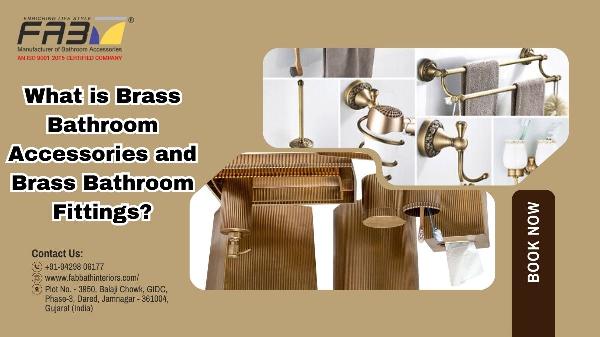
Brass bathroom accessories and fittings are metal components used in bathrooms for function and decoration, including taps, towel rails, shower fittings, and hardware. Brass combines copper and zinc in varying alloys to provide machinability, corrosion resistance, and a range of attractive finishes. This guide explains types, finishes, durability considerations, installation types, and standards relevant when selecting or maintaining brass bathroom products.
- Brass is an alloy of copper and zinc used for bathroom fixtures because of its workability and corrosion resistance.
- Products may be solid brass, brass-plated, or brass-alloy; finish and coating affect appearance and care needs.
- Common concerns include tarnishing, lacquer wear, and dezincification in certain alloys; standards such as NSF/ANSI and national plumbing codes address safety and lead limits.
- Regular cleaning with mild soap and avoiding abrasive cleaners extends life; periodic inspection ensures reliable performance.
Understanding brass bathroom accessories and fittings
What counts as accessories and fittings?
Accessories typically refer to non-plumbing elements like towel bars, robe hooks, soap dishes, toothbrush holders, and toilet paper holders. Fittings generally describe functional plumbing components: faucet bodies, spouts, shower valves, escutcheons, and pipe fittings that join or adapt plumbing lines. Some items combine both roles—for example, a faucet (a fitting) may include decorative brass elements that match accessory hardware.
Materials and alloy basics
Brass is a family of copper–zinc alloys with properties that vary by composition. Common categories include dezincification-resistant (DZR) brass for water-exposed parts and lead-free or low-lead brass for potable water applications. Bronze (copper–tin) and other copper alloys are sometimes used for similar applications and can offer different finishes or corrosion behaviors.
Types and finishes of brass bathroom products
Solid brass vs. plated or coated components
Solid brass items are either machined or cast from brass alloys and may be polished or finished. Brass-plated products have a base metal (often brass, zinc, or steel) with a thin brass layer applied by electroplating; these can be less expensive but wear differently over time. Many pieces receive a final protective layer—usually clear lacquer, PVD (physical vapor deposition), or electroplated chrome—to enhance scratch resistance and reduce tarnish.
Popular finishes
Finishes impact aesthetics and maintenance. Common options include polished brass (bright and reflective), satin or brushed brass (matte look), antique or aged brass (patina applied for vintage appearance), and lacquered or unlacquered options. PVD finishes offer improved durability and are increasingly used for high-traffic bathrooms.
Durability, corrosion, and safety considerations
Corrosion and dezincification
Brass resists corrosion well, but certain brass alloys can suffer dezincification—selective leaching of zinc—when exposed to aggressive water conditions. To prevent this, look for alloys specified as dezincification-resistant (DZR) for fittings exposed to potable water. National material standards and test methods from organizations such as ASTM provide guidance on alloy selection and testing.
Lead and potable water regulations
Products that contact drinking water are subject to regulations limiting lead content. In many jurisdictions, standards such as NSF/ANSI 372 and national laws restrict lead in plumbing components. For authoritative guidance on certification and standards, see NSF International. Local plumbing codes and regulators also define approved materials and certified products.
Installation types and common fittings
Mounting and connection methods
Brass bathroom accessories may be wall-mounted with concealed screws and anchors, surface-mounted with visible flanges, or freestanding. Fittings use threaded connections, compression fittings, or soldered/brazed joints depending on pipe material. For valves and cartridges, manufacturers often use standardized envelope sizes, but confirm compatibility with existing plumbing during replacement.
Plumbing components
Brass valves, stop taps, spouts, and shower connectors are common. Choose DZR or certified low-lead alloys for supply-side fittings and look for third-party certification for items used with potable water. Installation must comply with local plumbing codes and recommended torque and sealing methods to avoid leaks.
Cleaning and maintenance
Routine cleaning
Use mild soap and warm water or a gentle household cleaner; rinse and dry to prevent water spots. Avoid abrasive pads, strong acids, or alkaline cleaners that can strip finishes or damage lacquer. For unlacquered brass, a light polish develops a consistent patina; for lacquered surfaces, only nonabrasive cleaners should be used.
Repair and refinishing
Minor scratches on lacquered pieces may be repaired by a professional refinisher. For worn plating or extensive corrosion, replacement may be more cost-effective. Retaining original parts for matching finishes is recommended when performing renovations.
Choosing brass products
Match performance to environment
Consider water chemistry, frequency of use, and exposure to humidity when selecting alloys and finishes. In coastal or high-humidity environments, choose corrosion-resistant finishes and alloys. For drinking-water-contact parts, verify certifications and compliance with local lead-reduction laws.
Lifecycle and sustainability
Brass is recyclable and can have a long service life when properly maintained. Evaluate product longevity, availability of spare parts (cartridges, seals), and recyclability when assessing environmental impact.
Conclusion
Brass bathroom accessories and fittings offer a blend of aesthetics and function, with many finish and alloy options suited to different bathrooms and water conditions. Awareness of alloy properties, corrosion risks like dezincification, and regulatory requirements for potable-water components helps ensure safe, durable installations. Regular, gentle maintenance extends appearance and performance.
What are brass bathroom accessories and fittings?
Brass bathroom accessories are decorative and functional hardware such as towel bars and soap dishes; brass fittings are plumbing components like faucets and valves made from brass alloys. Selection depends on alloy, finish, and intended water exposure.
How to clean brass bathroom accessories and fittings safely?
Clean with mild soap and water, rinse, and dry. Avoid abrasive cleaners, steel wool, or strong acids. For lacquered finishes use only nonabrasive products; for unlacquered brass, light polishing can restore shine.
Are brass bathroom fittings safe for drinking water?
Many brass alloys are suitable for potable water if they meet local regulations and standards limiting lead. Look for products certified to relevant standards, and consult plumbing codes for approved materials.
How long do brass fixtures last?
With proper alloy selection, protective finishes, and routine maintenance, brass fixtures can last decades. Durability depends on water chemistry, frequency of use, and exposure to corrosive environments.
What finishes are most durable on brass bathroom accessories and fittings?
PVD and well-applied lacquers provide durable surface protection; satin and antique finishes may hide wear. Regular cleaning and avoiding abrasive contact preserve finish life.
References: Standards and test methods from ASTM International and certification schemes such as NSF/ANSI are relevant when evaluating alloys and potable-water fittings; check local plumbing authorities for code requirements.