How to Choose Stylish Storage Trunk Boxes That Fit Your Space and Needs
-
- March 12th, 2026
- 702 views
Choosing the right stylish storage trunk boxes starts with matching size, material, and function to the room and the items being stored. This guide explains how to evaluate options, avoid common mistakes, and use a simple selection framework to make a confident purchase for living rooms, bedrooms, or entryways.
- Detected intent: Informational
- Primary focus: pick stylish storage trunk boxes by material, size, and use
- Includes a TRUNK selection checklist, practical tips, a short scenario, and common mistakes
Stylish storage trunk boxes: what to consider first
Start by defining the trunk's primary role—decorative accent, frequent-access storage, or secure container. Important decision factors include material (wood, metal, rattan, fabric), construction (solid panels vs. hollow-core), lid type (hinged, removable, locking), internal layout (dividers, removable tray), and the trunk's footprint relative to the room. For safety, follow furniture tip-over guidance from recognized authorities when placing heavy trunks in homes with children or pets (U.S. Consumer Product Safety Commission).
The TRUNK selection checklist (named framework)
Use this quick framework to evaluate options. Each letter is a decision point to score 1–5 for available trunks and compare objectively.
- T — Type & material: wood, metal, wicker, fabric
- R — Room & placement: measures against door swings, radiator clearance, and traffic flow
- U — Utility & access frequency: lid weight, gas-spring hinges, removable trays
- N — Numbers (dimensions & capacity): interior volume, max weight rating
- K — Keep-safety & locking: tip-over anchoring, childproof features, lock compatibility
Match material to style and durability
Material sets the trunk's visual weight and long-term behavior. Solid hardwood trunks are durable and can be refinished, making them suitable where longevity matters. Plywood or engineered boards offer stability at lower cost but may delaminate if damp. Metal trunks (steel or aluminum) handle heavy loads and offer lockability; consider a metal storage trunk with lock when secure storage or industrial style is desired. Rattan and wicker provide a casual look but need structure underneath for heavy items. Fabric-covered trunks are lightweight and ideal for soft goods, but check internal frame strength.
Practical guidance: wooden storage trunk for living room
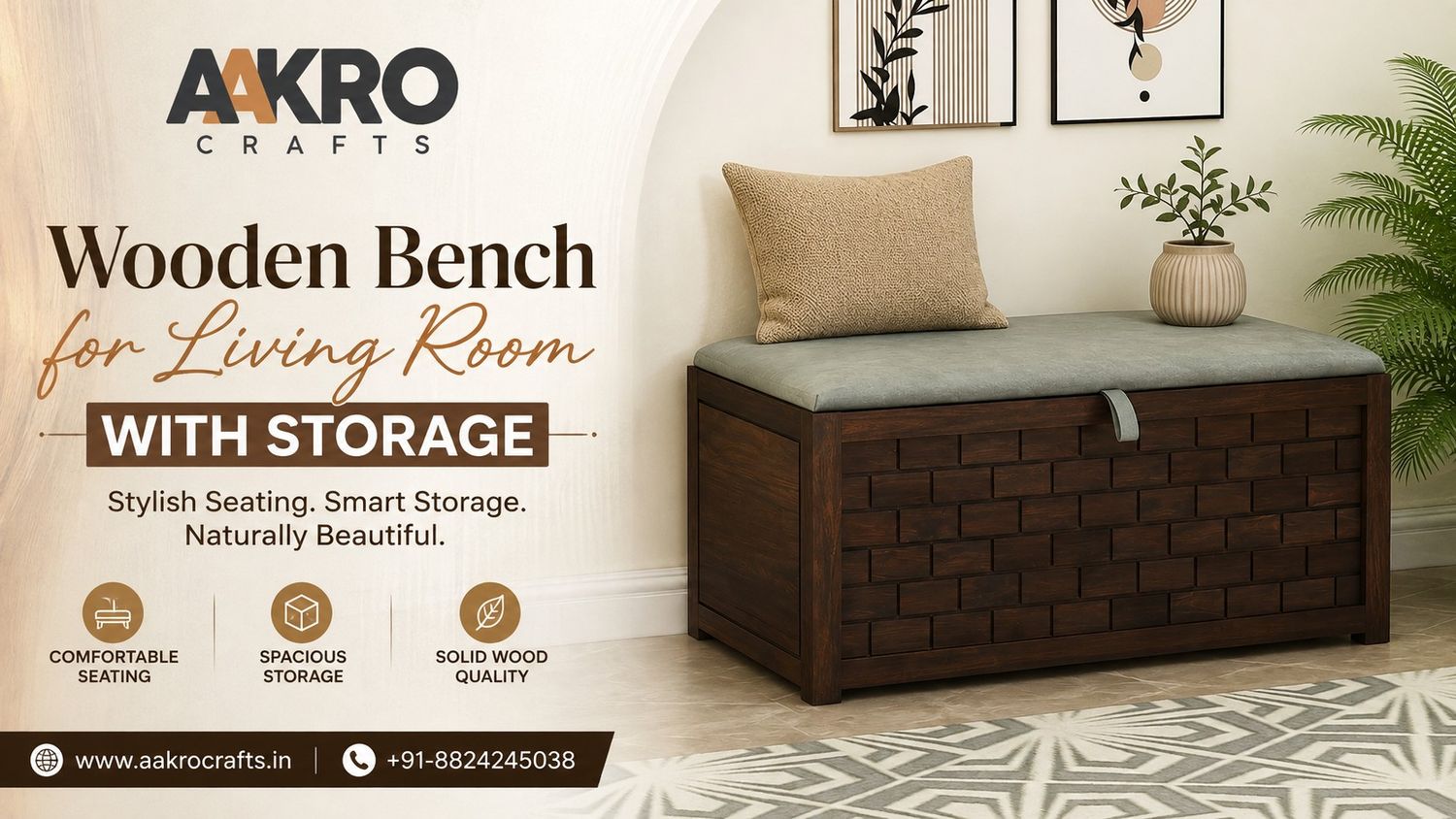
For a living room, a wooden storage trunk for living room use typically balances aesthetics and function—choose a mid-toned hardwood with a soft-close hinge if the trunk will double as seating or a coffee table. Confirm seat load rating (usually 250–300 lb for bench-style trunks) and use felt pads to protect floors.
Size, dimensions, and placement decisions
Measure the intended placement area, then subtract clearance for adjacent doors, drawers, and walking paths. Determine interior volume needed by grouping items (blankets, games, seasonal clothes) and measuring total volume rather than counting items. A trunk sized 36" x 18" x 18" typically stores folded throws and a few board games; larger trunks are better for bulky winter gear. Consider lid clearance: a hinged lid needs vertical space to open fully; consider removable lids where ceiling height or tight placement is an issue.
Quick sizing checklist
- Measure width, depth, height at planned location
- Allow 2–4" clearance for doors and wall trim
- Match interior volume to grouped items, not item counts
Functionality: access, organization, and security
Decide how often the trunk will be opened and what organization features matter: removable dividers, internal liners, trays, or locking hardware. For frequent access, prioritize gas-spring or counterbalanced hinges and a lid that stays open during use. For storage in multi-user spaces (shared households or public lobbies), a lockable trunk may be necessary—again, consider a metal storage trunk with lock or retrofit a secure hasp and padlock designed for furniture.
Real-world scenario
Scenario: A 650 sq ft apartment needs a dual-purpose coffee table that stores throws and a toolkit. Scoring options with the TRUNK checklist identified a 40" reclaimed-wood trunk with soft-close hinges, internal removable tray for remote controls, and felt feet for floor protection. Result: trunk functions as a stable coffee surface, stores bulky throws, and fits traffic flow without needing a lock.
Practical tips for buying and using trunk boxes
- Test the lid action in person where possible—lift, close, and sit lightly on the lid to check hinge strength and seat rating.
- Ask for or check weight and load specifications; avoid storing very heavy items in fabric or wicker trunks without reinforced frames.
- Use liners or moisture-control packets for textiles and antiques to prevent mold and pests.
- Plan anchoring for tall or heavy trunks if children are present; secure to wall studs per manufacturer's instructions.
- Measure interior depth and height as well as exterior dimensions—some trunks have thick walls that reduce usable space.
Common mistakes and trade-offs
Choosing a trunk often involves trade-offs between style, price, and durability. Common mistakes include:
- Buying for style only: a visually appealing trunk may lack the internal structure needed for heavy or frequent use.
- Ignoring hinge quality: cheap hinges cause heavy lids to slam or fail, reducing lifespan and creating safety risks.
- Underestimating interior space loss: decorative trim, thick walls, or internal framing can lower usable volume.
Trade-offs to consider:
- Durability vs. cost: metal or hardwood costs more but lasts longer; engineered materials reduce price but may not handle heavy loads.
- Security vs. convenience: locking trunks add protection but slow frequent access; use removable trays for everyday items.
- Style vs. maintenance: antique finishes look unique but often need refinishing or careful cleaning.
Five core cluster questions for further reading
- How to measure a storage trunk box for optimal interior capacity?
- What materials are best for trunk boxes used as seating?
- How to childproof storage trunks and prevent tip-over?
- How to retrofit a trunk with internal dividers and organizers?
- What are the pros and cons of metal vs. wooden trunk boxes?
Maintenance, care, and lifespan
Maintain trunks by cleaning surfaces per material—wood cleaners for finished timber, a mild detergent for metal, and vacuuming fabric liners. Periodic hinge lubrication and checks for loose fasteners extend useful life. Store trunks off direct sunlight where finishes can fade and avoid placing heavy, point-loaded items on delicate lids.
FAQ
What are stylish storage trunk boxes best used for?
Stylish storage trunk boxes combine storage with furniture function—common uses include storing seasonal textiles, serving as coffee tables or benches, and organizing entryway shoes and gear. Choose materials and hinges aligned with the intended function (e.g., reinforced lid for seating, soft-close for a coffee table).
How do dimensions affect storage capacity?
Exterior dimensions dictate where a trunk fits in a room, while interior dimensions determine usable volume. Thick walls, decorative trim, and internal framing reduce interior space—measure both interior and exterior to avoid surprises.
Are metal trunks better for secure storage?
Metal trunks typically allow stronger lock hardware and higher load capacity, making them suitable for secure or heavy-duty storage. Consider corrosion resistance and interior padding to prevent damage to stored items.
How can a trunk be made child-safe?
Install slow-close or soft-close hinges, add lid supports that prevent slamming, anchor tall trunks to wall studs, and avoid heavy lids without counterbalance. Check guidance from consumer safety authorities for furniture tip-over prevention.
What maintenance extends a trunk box's life?
Regularly check hinges and fasteners, clean according to material, protect wood from moisture, and avoid overloading. Use liners to protect textiles and desiccant packets to control moisture where needed.