Hair Transplant in Dubai: A Practical Guide to Modern Techniques and Natural Results
-

- March 16th, 2026
- 333 views

Get a free topical map and start building content authority today.
Hair transplant in Dubai attracts international attention because of advanced clinics, experienced surgeons, and modern technology. This guide explains the main procedures, how to choose a clinic, expected timelines, and practical steps to get natural-looking results.
This article covers: what a hair transplant in Dubai involves, differences between FUE and FUT, a named SAFE selection checklist for clinics, a short real-world scenario, practical tips, trade-offs and common mistakes, and five core cluster questions for further reading. Detected intent: Informational.
Hair Transplant in Dubai: What to expect and which techniques are used
Dubai clinics generally offer Follicular Unit Extraction (FUE), Follicular Unit Transplantation (FUT or strip), and assisted technologies such as robotic harvesting, direct hair implantation (DHI), and adjuncts like platelet-rich plasma (PRP). FUE is the most common method because it reduces linear scarring and allows faster recovery; FUT can be more efficient when a large number of grafts is required.
How the main techniques differ (FUE vs FUT vs robotic)
Understanding procedure differences clarifies trade-offs:
- FUE: Individual follicular units are extracted and implanted. Advantages: minimal visible scarring, flexible donor harvesting, shorter recovery. Considerations: can be time-consuming and depends on surgeon skill for natural hairline design.
- FUT (strip): A strip of scalp is removed and dissected into grafts. Advantages: often yields more grafts per session and may be cost-effective for extensive baldness. Considerations: linear scar and longer recovery.
- Robotic/assisted systems: Use precision devices to harvest grafts or guide implantation. Advantages: consistent extraction angle and density control. Considerations: technology helps but does not replace surgical planning and aesthetic judgment.
Who is a good candidate for a hair transplant in Dubai?
Good candidates generally have sufficient donor hair, realistic expectations, and stable hair loss. Medical evaluation should include scalp assessment, hair density measurements, and discussion of long-term hair loss progression. Age, health conditions (e.g., bleeding disorders, uncontrolled diabetes), and smoking status affect candidacy and healing.
Choosing a clinic: the SAFE selection checklist
Use the SAFE selection checklist to evaluate clinics and surgeons before booking:
- Surgeon credentials — board certification, membership in recognized bodies (for example: International Society of Hair Restoration Surgery), and documented case photos.
- Accreditation and facility standards — licensed clinic, sterilization protocols, and clear aftercare process.
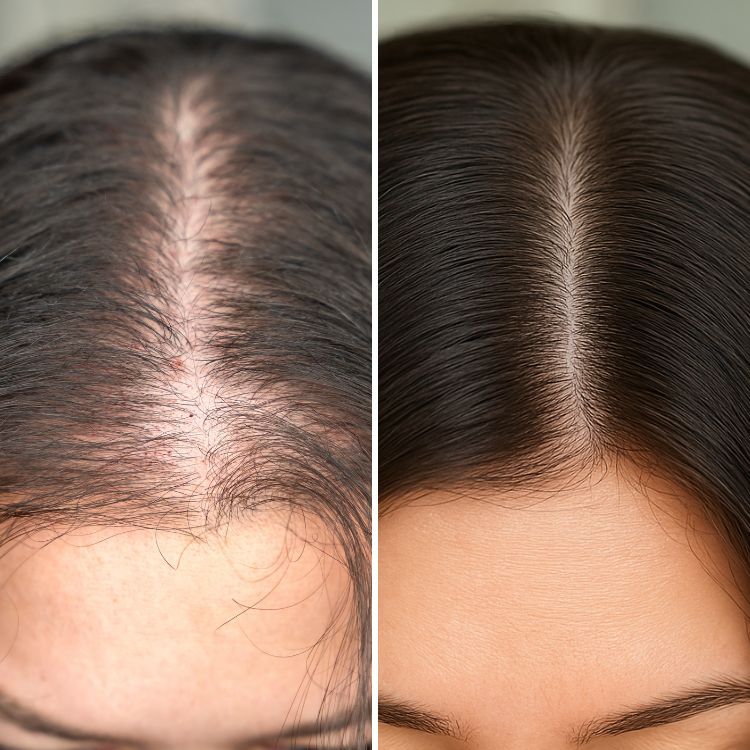
- Folio of before-and-after photos — look for consistent, natural hairlines and varied patient types.
- Extraction and implantation technique — ask whether the surgeon performs extractions, designs hairline, and manages graft storage themselves.
Short real-world example scenario
Scenario: A 42-year-old man with Norwood III vertex thinning consults a Dubai clinic. Assessment shows good donor density in the occipital scalp. The surgeon recommends a single-session FUE of 2,000–2,500 grafts focusing on a natural frontal hairline and mid-scalp density. Expected timeline: procedure day (6–8 hours), gentle care first week, crusts fall off in 10–14 days, shedding phase at 2–3 months, and visible regrowth 6–12 months with final results at 12–18 months.
Cost factors and realistic expectations
Cost depends on graft count, technique (FUE vs FUT vs robotic), surgeon experience, clinic location, and included services (consultation, medications, post-op care). Rather than a fixed price, budget by graft range and quality of outcome. Clinics commonly price per graft; ask for a written estimate that details what is included.
Common mistakes and trade-offs to consider
Trade-offs and mistakes often revolve around cost versus outcome and short-term convenience versus long-term planning:
- Choosing the cheapest clinic without verifying surgeon experience can lead to unnatural hairlines or poor graft survival.
- Overly aggressive hairline lowering can look unnatural as aging continues — a conservative, age-appropriate design is safer.
- Expecting immediate full density: initial shedding and gradual regrowth are normal; final density can take 12–18 months.
Practical tips to prepare and recover
Actionable steps to improve results:
- Stop blood-thinning supplements and smoking as advised by the clinic at least 1–2 weeks before the procedure.
- Bring a loose button-down shirt to avoid pulling clothing over the head after surgery.
- Follow the clinic’s post-op cleaning and sleeping-position instructions to protect grafts for the first 7–10 days.
- Use prescribed medications and avoid strenuous exercise for 2–4 weeks or as directed.
What to expect during recovery and follow-up
Expect mild swelling, some scalp numbness, and scabbing around grafts for the first 10–14 days. Most clinics schedule follow-ups at 1 week, 1 month, 6 months, and 12 months. Photographic documentation helps measure progress. Adjunct treatments like PRP are sometimes offered to support healing — evaluate evidence and clinic protocols before adding services.
Core cluster questions (for related articles and internal linking)
- How long does a hair transplant recovery take?
- What is the difference between FUE and FUT in terms of scarring?
- How are grafts counted and what affects graft survival?
- When should medical therapy (minoxidil, finasteride) be combined with surgery?
- What are realistic density expectations after a single-session transplant?
Pricing transparency and medical tourism considerations
If traveling to Dubai, confirm what the package includes: initial consult, surgery, anesthesia, post-op visits, and emergency contact. Request written details about revision policies. Verify visa timelines and local post-op care if planning short stays; extended local follow-up is often recommended for optimal outcomes.
Final checklist before booking
- Confirm surgeon performs the critical steps and reviews the plan in person.
- Ask to see full-case galleries and, if possible, contactable patient references.
- Get a written estimate and a clear aftercare plan with expected follow-up schedule.
FAQ: How to decide and what to expect
How much does a hair transplant in Dubai cost?
Costs vary widely by graft count and technique. Expect clinics to price per graft; request a detailed written quote. Consider total value — surgeon experience and post-op care affect final outcome more than small price differences.
Are FUE results more natural than FUT?
Both FUE and FUT can provide natural results when performed well. FUE reduces visible linear scarring; FUT may allow more grafts in a single session. Natural outcomes depend on graft handling, hairline design, and surgeon skill rather than the method alone.
What are realistic timelines for visible growth after transplant?
Expect initial shedding in the first 2–3 months, early regrowth at 3–6 months, and significant improvement by 6–12 months. Full maturation of grafts often occurs by 12–18 months.
Can adjunct treatments like PRP speed recovery?
Adjuncts such as PRP may support healing and patient satisfaction, but evidence varies. Discuss proven protocols and expected benefits with the clinic rather than relying on marketing claims.
How to check clinic credentials and patient safety?
Verify licensing, ask about infection-control protocols, confirm surgeon credentials and memberships, and review before-and-after galleries. Use the SAFE checklist above to compare clinics systematically.