The Ultimate Guide to Handmade Leather Bags: Styles, Selection, and Care
-

- September 17th, 2026
- 55 views
A few years back, I got tired of replacing my daily work bag every eighteen months. The straps on mass-produced options kept peeling at the edges, and the lining always blew out right along the main zipper seam. That frustration pushed me down a rabbit hole into old-world leatherworking. I started reading up on tannery processes, visiting local workshops, and testing different styles in real-world conditions. What I learned completely changed how I look at accessories. When you shift your focus toward authentic craftsmanship, you aren't just buying something to hold your keys and laptop, you are picking up a piece built to outlive fast-fashion trends.
What Makes a Leather Bag Last Decades?
If you have ever browsed high-end accessories online, you have probably noticed the term "genuine leather" thrown around everywhere. It sounds premium, but it is actually one of the lowest grades on the market, essentially glued-together scraps with a stamped plastic topcoat.
Authentic handmade leather bags rely instead on full-grain hides. This is the top layer of the skin, complete with all its original tightness and character. Because the grain remains untouched, it retains immense tensile strength.
Assembly matters just as much as raw materials. Hand-stitching uses two needles passing back and forth through a single hole (often called a saddle stitch). If a machine lock-stitch snaps on a cheap bag, the whole line of thread unravels like a loose sweater. If a hand-stitch takes wear, the remaining thread locks in place, keeping the seam secure.
Over time, high-grade luxury leather bags absorb oils, friction, and sunlight. Rather than looking worn out, the material darkens, softens, and develops a rich patina that is completely unique to how you use it.
Key Styles Every Collection Needs
Picking the right style usually comes down to how much you carry and where you are headed. After testing various shapes, a few classic designs stand out for everyday utility:
The Workhorse Tote: Unlined or lined with soft suede, a heavy-duty tote easily takes on a laptop, water bottle, and notebook. Thick shoulder straps anchored with copper or brass rivets keep heavy loads comfortable.
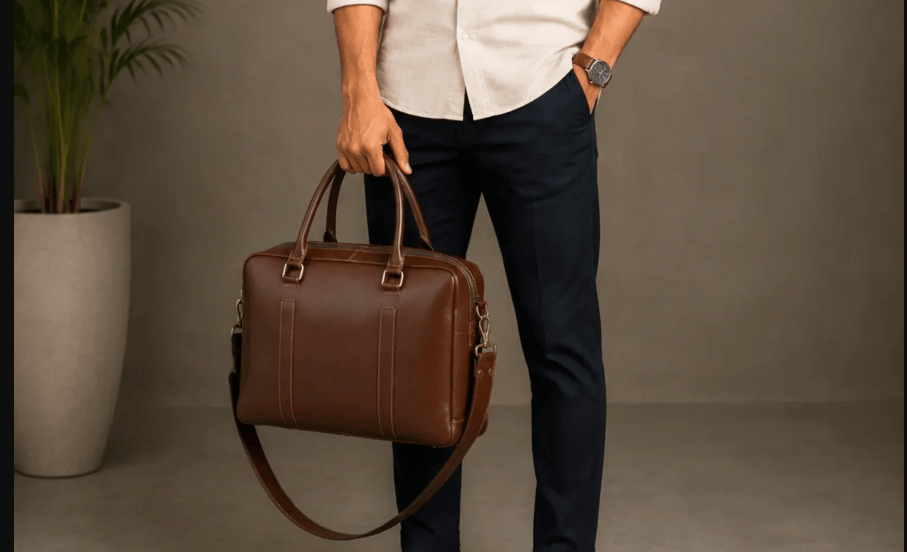
The Structured Satchel: Clean lines, front flap closures, and solid top handles give satchels a timeless, professional feel. They protect flat documents and electronics while keeping everything organized.
The Travel Duffle: Weekend trips require serious durability. A great duffle needs thick hide wall construction, reinforced bottom panels, and heavy brass zippers that will not bind or pop under pressure.
The Minimalist Crossbody: When you only need your phone, wallet, and keys, a small crossbody keeps your hands free while adding an effortless accent to your outfit.
Spotting Real Craftsmanship: A Buyer's Field Guide
Before you spend your hard-earned money, take a close look at these specific construction details:
Inspecting the Edges: Look closely at where two pieces of hide join. Quality makers spend hours sanding, burnishing, and hand-painting edges with flexible wax coats. Rough, unfinished edges allow moisture to seep in, while overly thick rubber coatings can split after a few months.
Hardware Weight: Tap the buckles and strap hooks. Solid brass or stainless steel feels cold, heavy, and solid. Avoid light, hollow-sounding metals, which are usually cheap zinc alloys that chip or snap under weight.
Stitch Spacing and Alignment: Stitches should run in a clean, straight line with uniform spacing. Look at high-stress points, like where the handle attaches to the main body. Extra reinforcement stitches or solid metal rivets are must-haves there.
The Smell Test: Real full-grain material smells rich, earthy, and deep. If a fresh bag smells like solvent, spray paint, or synthetic glue, walk away.
Simple Care Routines That Preserve Fine Hides
Taking care of high-grade accessories is surprisingly low-maintenance once you know the basics:
Condition Every Few Months: Leather is organic, meaning it loses moisture over time. Rubbing a light coat of natural leather conditioner into the surface every three to six months keeps the fibers flexible and stops surface cracking.
Drying Out Naturally: If you get caught in a sudden rainstorm, wipe down the exterior with a dry cloth right away. Let the bag air-dry in a cool room. Never place it next to a heater or use a hair dryer, direct heat bakes out essential oils and shrinks the hide.
Maintain the Shape: When storing items away for the season, stuff the interior loosely with plain tissue paper or clean cotton towels. Store them in breathable cloth dust bags instead of sealed plastic containers to prevent trapped moisture.
Final Thoughts
Moving away from throwaway accessories takes a bit of patience, but the payoff is huge. Investing in well-made handmade leather bags means carrying something that looks better five years down the road than it did on the day you bought it.
During my own search for makers who still respect these old-school construction methods, I came across a few standouts worth checking out. If you are looking for long-lasting luxury leather goods that bring together traditional artisan techniques and clean, daily utility, take a look at the lineup over at Luxury Handicraft. Finding a piece crafted with real pride makes all the difference in your daily routine.