Benefits of a Health Care Nutrition Program for Improved Well-Being
-
- February 23rd, 2026
- 1,435 views
The health care nutrition program can play a central role in supporting physical and mental well-being by offering structured dietary assessment, individualized counseling, and coordinated care across clinical settings. Programs that integrate nutrition expertise into routine care focus on prevention, management of chronic conditions, and long-term lifestyle change.
- Health care nutrition programs provide assessment, counseling, education, and monitoring to improve diet-related health outcomes.
- Services are typically delivered by registered dietitians or qualified nutrition professionals and coordinated with primary care and specialty teams.
- Evidence-based interventions can reduce risk factors for chronic disease, support recovery, and enhance quality of life.
How a health care nutrition program supports patient well-being
What is a health care nutrition program?
A health care nutrition program is an organized set of clinical and community services designed to assess dietary patterns, identify nutrition-related risks, and provide tailored interventions. Typical components include dietary assessment, nutrition counseling, medical nutrition therapy (where applicable), care coordination, and follow-up. Programs may be offered in primary care clinics, hospitals, outpatient specialty centers, community health settings, or via telehealth.
Core services and activities
Common elements of a health care nutrition program include:
- Nutrition screening and assessment using standardized tools to identify malnutrition, excess weight, or nutrient deficiencies.
- Individualized counseling and goal-setting based on medical history, cultural preferences, and readiness to change.
- Medical nutrition therapy provided by credentialed professionals for conditions such as diabetes, cardiovascular disease, kidney disease, and gastrointestinal disorders.
- Behavioral strategies that support habit formation, self-monitoring, and relapse prevention.
- Coordination with multidisciplinary teams, including primary care providers, nurses, pharmacists, and mental health specialists.
Who provides services?
Services are usually delivered by registered dietitian nutritionists (RDNs), licensed dietitians, or other trained nutrition professionals working within a regulated scope of practice. Collaborative models often involve referrals from physicians and coordination with allied health providers. Credentialing, licensing, and professional standards are set by national regulators and professional organizations to help ensure quality of care.
Evidence and expected benefits
Outcomes supported by research
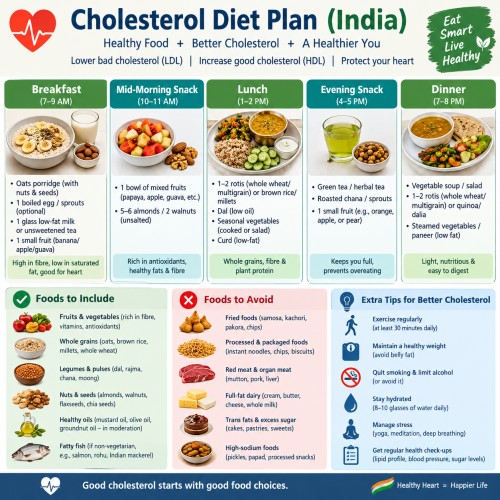
Research and clinical guidelines indicate that structured nutrition interventions can improve multiple health outcomes. Examples include better glycemic control for people with diabetes, improved blood pressure and lipid profiles for cardiovascular risk reduction, decreased hospital readmissions related to malnutrition, and weight management support. Public health agencies and professional bodies publish evidence-based recommendations that inform program design and performance measures.
Quality of life and preventive impact
Beyond measurable clinical markers, nutrition programs can enhance energy, sleep quality, mood, and functional status. Preventive nutrition services help lower the long-term risk of diet-related chronic diseases by addressing dietary patterns, physical activity, and social determinants of health such as food security and access to healthy foods.
Designing an effective program
Patient-centered assessment and goal setting
Effective programs begin with a comprehensive assessment that includes medical history, medication review, cultural and socioeconomic context, and personal goals. Shared decision-making and realistic, measurable goals increase adherence.
Integration and care pathways
Integration with primary care, specialty clinics, and community services supports continuity of care. Care pathways that define referral criteria, follow-up intervals, and outcome tracking help standardize services and measure program impact.
Use of technology and remote care
Telehealth, mobile apps, and remote monitoring tools can expand access to nutrition services, support self-monitoring, and enable timely follow-up. Digital tools should complement, not replace, individualized professional guidance.
Policies, standards, and evidence sources
Guidelines and authoritative resources
Design and evaluation of nutrition programs often draw on guidelines from organizations such as the World Health Organization (WHO), national public health agencies, and professional societies for dietetics and nutrition. Evidence summaries and clinical guidance from peer-reviewed journals and governmental health agencies provide the basis for best practices. For an overview of nutrition topics and public health recommendations, see the Centers for Disease Control and Prevention nutrition resources (CDC: Nutrition).
Measurement and continuous improvement
Typical program metrics include changes in biomarkers (e.g., blood glucose, cholesterol), functional outcomes, patient-reported measures (quality of life, dietary behaviors), service utilization, and cost-effectiveness where appropriate. Regular audit and quality improvement cycles support program refinement.
Practical considerations for participation
Access and referrals
Access may vary by location, insurance coverage, and availability of credentialed professionals. Referral pathways from primary care or specialty clinics often facilitate timely engagement. Community-based programs and public health initiatives can provide complementary support for food access and education.
What to expect during a visit
Initial visits commonly include a nutrition assessment, goal-setting, and an individualized plan. Follow-up appointments focus on progress, problem-solving, and adjustment of recommendations. Many programs offer educational materials, group classes, or links to community resources.
Costs and reimbursement
Coverage for nutrition services varies by payer and jurisdiction. Some medical nutrition therapies are reimbursed when delivered by credentialed professionals under clinical guidelines; costs for preventive or educational services may differ. Check local regulations and payer policies for details.
Equity and cultural relevance
Programs that tailor recommendations to cultural preferences, language needs, and socioeconomic realities tend to be more effective and equitable. Addressing food security and access barriers is often essential for sustainable outcomes.
Frequently asked questions
What is a health care nutrition program and who should consider it?
A health care nutrition program is a set of clinical and support services focused on dietary assessment and intervention. It may benefit people with chronic conditions, those at risk of malnutrition, or anyone seeking structured support for healthier eating patterns.
How does a nutrition program differ from general dietary advice?
Nutrition programs typically provide individualized, evidence-based interventions delivered by trained professionals and integrated with medical care, whereas general dietary advice may be broad and not tailored to medical needs.
Can a nutrition program help prevent chronic disease?
Structured nutrition interventions that follow evidence-based guidelines can reduce risk factors associated with chronic diseases and support preventive health, especially when combined with broader lifestyle and community-level interventions.
How is quality assured in nutrition programs?
Quality is supported through professional credentialing, adherence to clinical guidelines, outcome measurement, and regular quality improvement processes aligned with regulatory and professional standards.