What Heart Tests May Be Recommended During a Cardiac Consultation?
-

- Published Updated
- 2,517 views
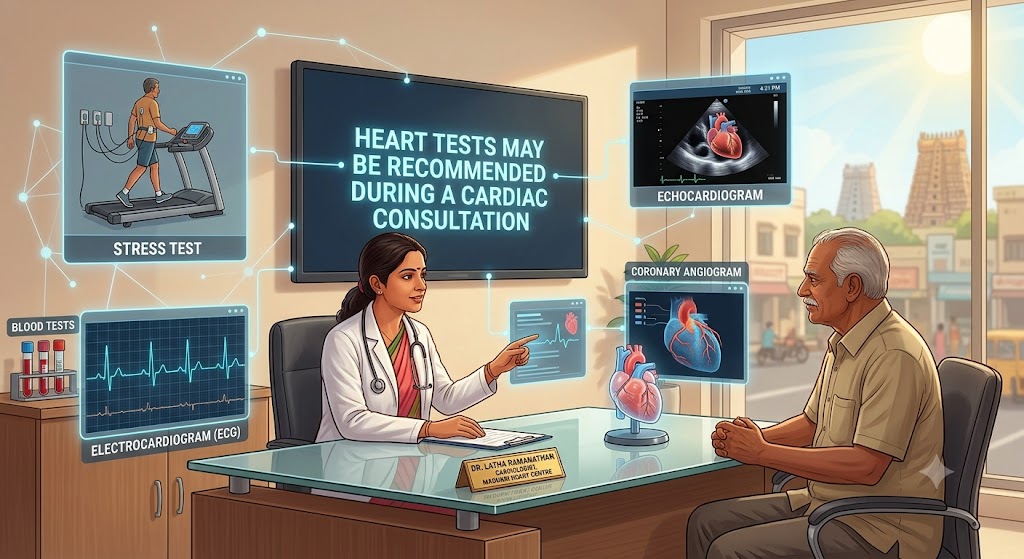
A cardiac consultation helps doctors understand symptoms, identify possible heart conditions, and decide whether further testing is needed. Not every patient requires the same investigations. The tests recommended depend on symptoms, medical history, age, risk factors, physical examination, and previous results. Understanding these investigations can make a hospital visit easier to navigate. At a top super specialty hospital in srinagar,kashmir, patients may receive an individualized assessment before a specialist recommends appropriate cardiac tests.
Electrocardiogram (ECG)
An electrocardiogram, commonly called an ECG, records the electrical activity of the heart. It can help doctors assess heart rhythm and identify certain electrical abnormalities. An ECG is usually quick and painless, with small electrodes placed on the chest and limbs.
A doctor may recommend an ECG when someone experiences chest discomfort, palpitations, dizziness, fainting, or other symptoms that could be related to the heart.
Echocardiogram
An echocardiogram uses ultrasound waves to create images of the heart. It can provide information about the heart's chambers, valves, pumping function, and movement of the heart muscle.
Doctors may recommend this test when they need to investigate symptoms such as breathlessness, swelling, abnormal heart sounds, or suspected structural heart problems. Different types of echocardiography may be used depending on the clinical situation.
Blood Tests
Blood tests can provide information that supports cardiovascular assessment. Depending on the circumstances, doctors may check cholesterol levels, blood sugar, blood counts, kidney function, or other markers.
For patients with suspected acute heart problems, specific blood markers such as cardiac troponin may be used to help identify heart muscle injury. The interpretation of these results requires clinical context rather than looking at a single value in isolation.
Exercise Stress Testing
An exercise stress test observes how the heart responds to physical activity. During the test, heart rate, rhythm, blood pressure, and symptoms may be monitored while the patient exercises under medical supervision.
This test may be considered when a doctor wants to investigate symptoms that occur with exertion or evaluate certain aspects of cardiovascular function. It is not suitable for everyone, so the specialist decides whether it is appropriate.
Holter and Other Heart Monitoring
If a patient experiences intermittent palpitations, dizziness, or suspected rhythm disturbances, longer-term heart monitoring may be recommended. A Holter monitor records the heart's electrical activity continuously for a specified period while the person follows normal daily activities.
Other wearable monitoring devices may be used for longer periods when symptoms do not occur frequently. The choice depends on how often symptoms appear and what the doctor is trying to investigate.
Cardiac Imaging
Some patients may need advanced imaging to examine the heart or blood vessels in greater detail. Depending on the suspected condition, a specialist may consider tests such as cardiac CT or cardiac MRI.
These investigations provide different types of information and are not routinely required for every consultation. The decision should be based on the patient's clinical situation and the question that needs to be answered.
Coronary Angiography
Coronary angiography is an invasive procedure used to examine the coronary arteries. It may be recommended when doctors need detailed information about possible blockages or narrowing in these blood vessels.
At a top super specialty hospital in srinagar,kashmir, the specialist should explain why the procedure is being considered, what preparation is required, and its potential benefits and risks before proceeding.
How Doctors Choose the Right Test
A top super specialty hospital in srinagar,kashmir may use different diagnostic approaches depending on each patient's symptoms and medical history. A specialist first considers the clinical picture and then selects tests that can provide useful information without unnecessary investigations.
Patients should ask what each recommended test is intended to find, whether preparation is required, and when results will be available. Clear communication can make the diagnostic process more understandable.
Preparing for Cardiac Testing
Before your appointment, bring previous reports, medication details, and information about ongoing symptoms. Follow any instructions provided by the healthcare team, particularly if a test requires fasting or temporary medication adjustments.
If you experience sudden severe chest pain, serious breathing difficulty, fainting, or other emergency symptoms, seek immediate medical care rather than waiting for a scheduled consultation.
Making Informed Decisions
Heart tests help specialists understand how the cardiovascular system is functioning and whether further treatment or monitoring may be needed. A top super specialty hospital in srinagar,kashmir can be considered based on specialist expertise, suitable diagnostic capabilities, and coordinated patient care. If you need cardiac evaluation, Noora Hospital can be considered for discussing your symptoms with a qualified healthcare professional and understanding which tests may be appropriate for your individual needs.