Helicopter Options and Safety Guidelines for the Amarnath Yatra
-

- Published Updated
- 1,548 views
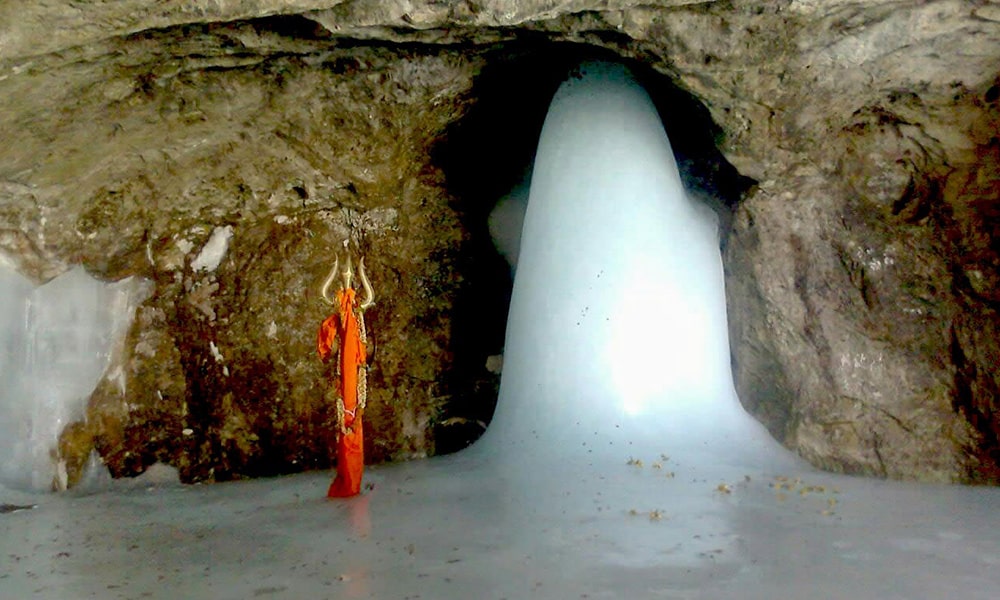
The availability of helicopter services for Amarnath Yatra is a key option for pilgrims seeking a faster, less strenuous route to the higher-altitude shrines at Baltal and Pahalgam. Helicopter transfers reduce walking time, help with acclimatization planning, and are subject to aviation safety and local regulatory procedures.
- Helicopter transfers operate chiefly to landing sites at Baltal, Panjtarni (near the shrine), and Pahalgam base points during the Amarnath Yatra season.
- Services are coordinated with the Shri Amarnathji Shrine Board (SASB) and regulated by the Directorate General of Civil Aviation (DGCA).
- Bookings, health considerations, weather limits, baggage rules and emergency procedures should be checked in advance.
Helicopter services for Amarnath Yatra: routes and operators
Helicopter transfers typically run from Srinagar, Jammu, and fixed base helipads to staging points such as Baltal, Pahalgam, and Chandanwari. Operators use light twin- and single-engine helicopters configured for short takeoff and landing at high-altitude helipads. Routes and landing sites can change seasonally based on trek management plans set by the Shri Amarnathji Shrine Board (SASB) and local authorities.
Common pickup and drop points
Frequently used points include Srinagar Airport helipad, Pantha Chowk (Srinagar), Pahalgam, and Baltal. Some services offer direct transfers to Panjtarni or nearby high-altitude pads; other flights stop at lower-altitude points and require a short trek.
Types of helicopter services
Options include shared shuttles, private charters, and special pilgrim sorties organized during peak days. Shared shuttles are cost-effective but operate on fixed schedules. Private charters provide flexibility but require higher advance planning and regulatory clearance.
Booking, permits and regulatory oversight
Advance booking is recommended, especially during peak Yatra periods. Helicopter services for Amarnath Yatra require coordination with the Shrine Board and adherence to permits and passenger manifests mandated by civil aviation authorities.
Regulatory bodies and safety standards
Service providers are subject to oversight by the Directorate General of Civil Aviation (DGCA) for aircraft certification, maintenance and pilot licensing. The SASB issues route permissions and coordinates slot allocations for pilgrim transfers. For official guidance and season updates consult the SASB website: Shri Amarnathji Shrine Board.
Documentation and who can travel
Passengers generally need valid photo ID and any Yatra registration documents requested by the Shrine Board. Pregnant women, persons with certain medical conditions, or those unable to meet safety briefings may be restricted from air travel; individual operators also set baggage weight limits and seating rules.
Costs, scheduling and practical considerations
Prices vary by route, seat type and season. Shared shuttle fares are lower per person than private charters. Scheduling is weather-dependent; flights may be delayed or canceled because of visibility, winds, or afternoon mountain weather patterns.
When to book and seat confirmation
Book as early as possible after SASB announces Yatra logistics for the season. Confirm seats the day before travel and arrive at the helipad well before scheduled boarding. Carry printed or electronic booking confirmations and ID.
Baggage, accessibility and altitude
Operators enforce strict baggage limits to meet weight-and-balance requirements. Travelers should plan for short, high-altitude exposure and follow acclimatization recommendations from health authorities. While helicopters reduce exertion, altitude-related symptoms can still occur at Panjtarni and surrounding locations.
Safety, emergencies and contingency planning
Helicopter operations in mountainous terrain follow strict safety procedures, including pre-flight weather checks, load calculations and pilot briefings. Emergency evacuation plans are coordinated with local rescue services and civil administration.
What to expect at the helipad
Helipads in the region are often basic and exposed. Pilgrims should wear sturdy footwear, secure loose items, and follow ground staff instructions. Noise and rotor downwash can be strong; children and the elderly should be assisted on approach and embarkation.
Contingency plans for cancellations
Alternate travel options include road transfers and the traditional trek routes via Pahalgam or Baltal. Have flexible plans for accommodation and onward travel if flights are rescheduled. Keep local emergency contact numbers and SASB helpline details accessible.
Choosing a helicopter transfer: checklist
- Verify operator credentials and DGCA-compliant aircraft maintenance records where available.
- Confirm slot allocation with the Shrine Board and retain booking references.
- Pack for quick transfers: minimal carry-on luggage, water, layered clothing for altitude, and necessary medications.
- Arrive early at boarding points and follow all safety briefings.
FAQ
Are helicopter services for Amarnath Yatra available every day during the season?
Service availability depends on SASB scheduling, weather and demand. Flights are frequent during peak days but can be limited by daily slot allocation and safety considerations; confirm schedules with the Shrine Board and the operator before travel.
How far in advance should a helicopter seat be booked?
Booking as soon as the Shrine Board opens Yatra logistics is recommended. Peak-season seats may fill quickly; last-minute weather changes can also affect confirmed bookings.
What safety checks should passengers expect before boarding?
Passengers are usually given a short safety briefing, required to fasten seat belts, and may be weighed with luggage to meet load limits. Operators follow DGCA guidelines for aircraft operation and pilot licensing.
Can medical emergencies be handled during helicopter transfers?
Helicopter services can be used for medical evacuation if coordinated with local authorities and rescue services. Immediate on-site medical care at high-altitude landing points is limited; serious cases are typically flown to larger medical facilities.
Is acclimatization still needed if traveling by helicopter?
Yes. Rapid movement to high altitudes can still cause symptoms of altitude illness. Pilgrims should plan gradual ascent where possible, monitor symptoms, and follow guidance from health authorities and the Shrine Board.