Hellstar Clothing: Origins, Style, and How to Evaluate the Brand
-

- March 04th, 2026
- 1,984 views

Get a free topical map and start building content authority today.
Hellstar Clothing is a contemporary independent streetwear label known for a punk and goth-influenced aesthetic, printed graphics, and small-batch drops. This guide explains Hellstar Clothing's origins, design approach, product range, manufacturing practices, online presence, and practical tips for assessing authenticity and quality before purchase.
- Brand focus: alternative streetwear with graphic prints and DIY influences.
- Typical products: tees, hoodies, outerwear, accessories, and limited collaborations.
- Manufacturing: often small-batch production; transparency varies by collection.
- Buying tips: check sizing charts, look for authentic labeling, and read recent customer reviews.
Overview of Hellstar Clothing
Hellstar Clothing operates within the independent fashion sector, occupying a niche between underground subculture apparel and mainstream streetwear. The label frequently emphasizes graphic tees, band-style imagery, and darker color palettes. Products are commonly sold through direct-to-consumer e-commerce, social media drops, and occasional retail partnerships.
History and Brand Development
Many small fashion labels begin with a DIY ethos: founders create limited runs of garments, test designs with a community, and expand based on demand. Hellstar Clothing followed a similar path, initially releasing small collections and growing through online visibility and influencer sharing. Over time, some independent brands broaden product lines to include hoodies, jackets, and accessories while experimenting with collaborations and limited-edition releases.
Design, Aesthetic, and Target Audience
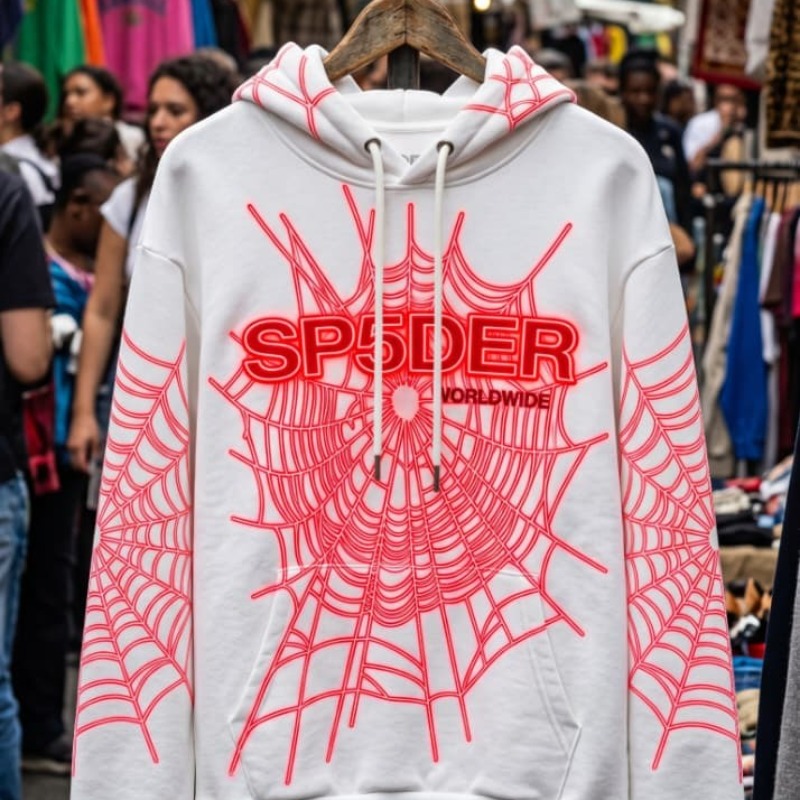
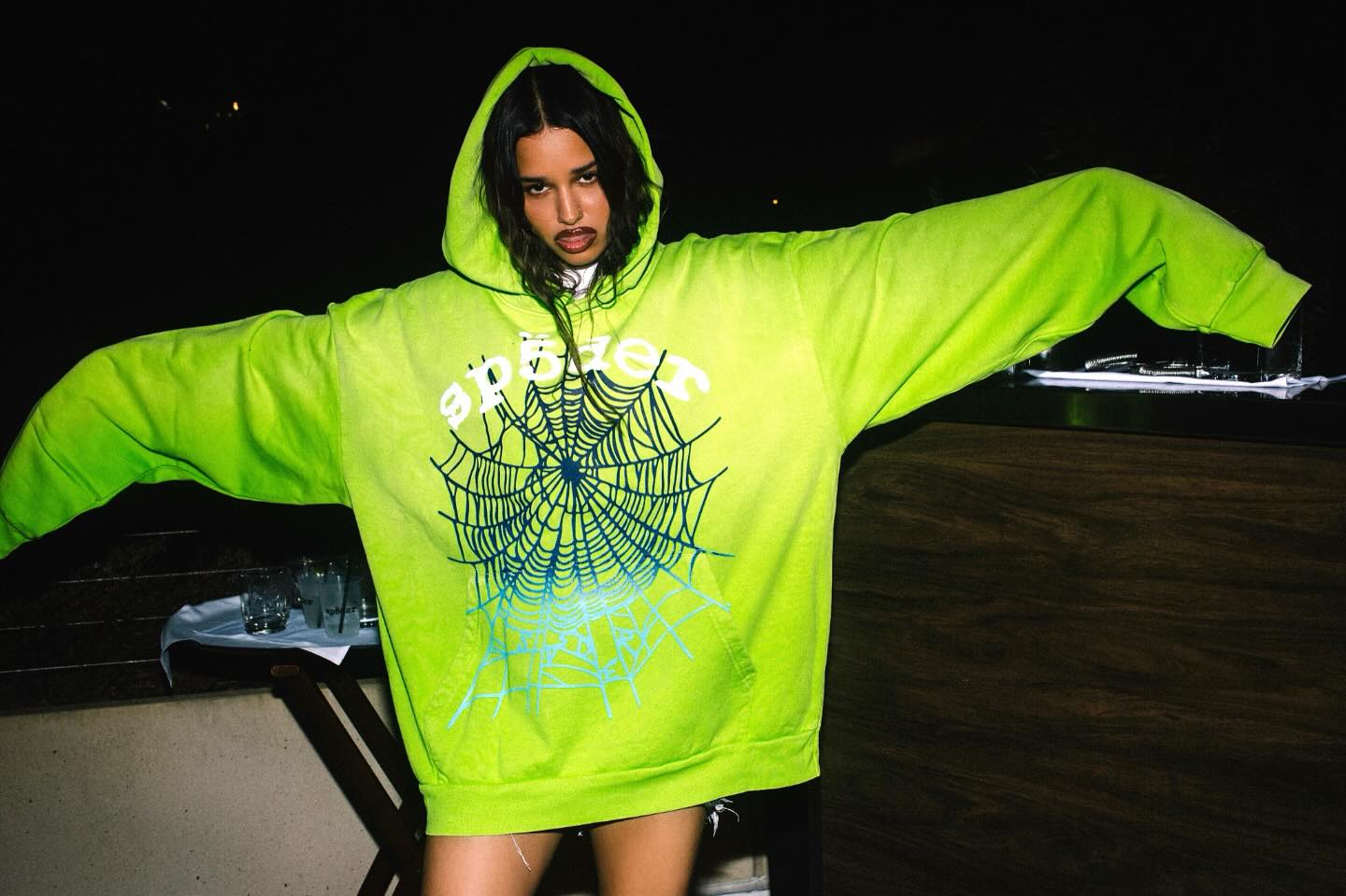
The design language centers on alternative styles—punk, goth, and skate culture influences are common. Graphic design elements may include distressed logos, occult motifs, and references to underground music scenes. The target audience is typically younger adults and teens who value distinctiveness, subcultural affiliation, and statement apparel.
Products, Sizing, and Fit
Product categories
Core items usually include t-shirts, long-sleeves, hoodies, crewnecks, outerwear, hats, and patches. Limited runs or drops may introduce seasonal items like denim pieces or collaborative art prints.
Sizing and fit considerations
Sizing can vary widely between independent labels and mainstream retailers. Buyers should consult the brand's published size charts and compare garment measurements rather than relying solely on numeric sizes. Where available, product pages may list body measurements and recommended fits (oversized, regular, slim).
Manufacturing, Materials, and Sustainability
Independent brands often source a mix of domestic and overseas manufacturing for cost and capacity reasons. Material quality varies by price tier—premium lines may use heavier weight cotton and ring-spun yarn, while entry-level items use standard jersey cotton or cotton blends. Transparency about supply chain and sustainability practices differs between labels; some provide factory and material information, while others do not.
Retail Channels, Pricing, and Drops
Sales typically occur through the brand's own e-commerce site, third-party marketplaces, pop-up events, and occasional boutique retail partners. Pricing reflects limited runs and brand positioning: small-batch or collaboration items often command higher prices. Many brands use timed "drops" to create scarcity, so attention to release dates and pre-order policies is important.
Online Presence, Community, and Marketing
Social media platforms, particularly image-driven networks, are central to marketing for independent labels. User-generated content, influencer partnerships, and community engagement (comments, reposts, fan art) help build brand recognition. Customer reviews and community forums are useful sources for information about fit, durability, and customer service experiences.
Legal and Intellectual Property Considerations
Trademark, copyright, and design protections are relevant to clothing brands. Registering trademarks can protect logos and brand names; design copyrights may apply to unique graphic artworks. For official guidance on trademark registration and intellectual property processes, consult the U.S. Patent and Trademark Office. Advertising disclosures and labeling must comply with regulations enforced by agencies such as the Federal Trade Commission (FTC) in the United States and equivalent regulators elsewhere.
How to Evaluate Authenticity and Quality
Labeling and tags
Authentic garments usually include consistent branding on neck labels, care tags, and packaging. Check stitching quality, tag fonts, and placement against official product images from the brand's site.
Materials and construction
Examine seam finishes, print quality (screen print vs. direct-to-garment), and fabric weight. Higher-quality items often use double-needle hems, reinforced stitching, and higher GSM fabrics for durability.
Seller reputation
Purchase from the brand's official store or verified retailers when possible. Read reviews and check return policies, and be cautious with resellers if authenticity cannot be verified.
Customer Service, Returns, and Warranty
Policies vary by company. Typical independent brand policies include limited-time returns for unworn items, exchanges for sizing, and repair or replacement for manufacturing defects. Confirm shipping timelines, customs responsibilities for international orders, and any warranty details before purchase.
Conclusion
Hellstar Clothing represents a segment of independent streetwear that appeals to subcultural aesthetics and limited-run collectors. Evaluating products requires attention to sizing guides, material quality, authenticity markers, and seller reputation. For legal and trademark questions, official resources such as the U.S. Patent and Trademark Office provide authoritative guidance.
Frequently asked questions
What is Hellstar Clothing known for?
Hellstar Clothing is known for alternative streetwear with graphic-heavy designs, a punk/goth aesthetic, and small-batch product drops aimed at niche subculture audiences.
How can a buyer verify Hellstar Clothing authenticity?
Verify authenticity by purchasing from official channels, checking neck labels and care tags against official images, assessing print and stitching quality, and reviewing community feedback on forums and social media.
Does Hellstar Clothing offer international shipping and returns?
Shipping and return policies differ by brand and may change over time. Review the seller's website for current international shipping options, customs responsibilities, and return windows before purchasing.
Are Hellstar Clothing products sustainable?
Sustainability practices vary; some independent labels disclose materials, factory locations, and certifications, while others do not. Look for published information on materials, certifications, and supply chain transparency when assessing sustainability claims.
Where can questions about trademarks and designs be researched?
Questions about trademarks and design protections can be researched through official government resources such as the U.S. Patent and Trademark Office and regional intellectual property offices. Academic publications on fashion law and branding provide additional context.