Hiko Nose Thread Lift Dubai Guide: Costs, Safety, and Recovery
-
- February 28th, 2026
- 1,874 views
The Hiko Nose Thread Lift in Dubai is a minimally invasive procedure used to reshape the nose using absorbable threads rather than open surgery. This overview explains how the technique works, who may be a candidate, expected recovery, potential complications, and regulatory considerations relevant to Dubai.
- Hiko nose thread lift uses absorbable sutures to lift or refine the nasal dorsum and tip with limited downtime.
- Results are semi-permanent; threads typically dissolve over months while collagen response may prolong effect.
- Risks include infection, asymmetry, thread migration, and temporary bruising; selection of a qualified, licensed practitioner is important.
- In Dubai, verify clinic and practitioner credentials through local regulators such as the Dubai Health Authority.
Hiko Nose Thread Lift in Dubai: Procedure Overview
Hiko nose thread lift typically uses polydioxanone (PDO) or similar absorbable suture materials placed under the skin of the nose to provide structural lift and reshaping. The technique aims to increase tip projection, refine the dorsal profile, or correct minor irregularities without traditional rhinoplasty. The procedure is usually performed under local anesthesia and can take 30–60 minutes depending on complexity.
How the technique works
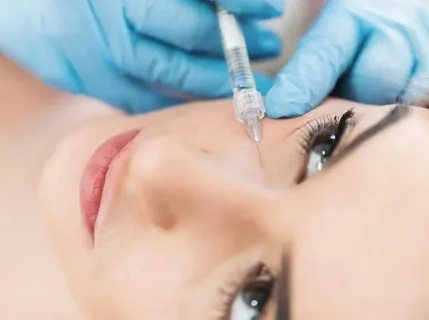
Threads are inserted using a fine needle or blunt cannula and positioned beneath the nasal skin along the dorsum and toward the tip. The thread's barbs or cones provide mechanical lift; over weeks to months the material is absorbed while stimulating mild collagen formation that can maintain improvement after the thread dissolves. The approach can be customized to augment height, define the nasal tip, or contour the bridge.
Materials and anesthesia
Commonly used materials include PDO, poly-L-lactic acid (PLLA), or polydioxanone variants designed for absorbability. Local anesthesia or topical numbing is usually sufficient; sedation is rarely required. The choice of material, needle vs cannula, and placement pattern affects longevity and risk profile.
Who is an appropriate candidate
Ideal and non-ideal candidates
Appropriate candidates typically seek modest non-surgical changes: slight dorsal augmentation, tip lift, or smoothing of small irregularities. People with very thick skin, significant structural deformities, severe breathing problems, or expectations that require major shape change are usually better served by surgical rhinoplasty. A pre-procedure consultation should include assessment of skin thickness, cartilage support, and overall facial proportions.
Recovery, results, and longevity
Typical recovery
Downtime is generally limited. Mild swelling, redness, and bruising around insertion sites are common for a few days to two weeks. Activities that put pressure on the nose (sports, heavy lifting) should be avoided for at least one to two weeks. Many patients return to work within a few days depending on visible bruising and swelling.
How long results last
Immediate mechanical lift is provided by the threads. As the threads absorb (usually 6–12 months depending on material), some effect may persist due to collagen stimulation; results often last from several months up to two years. Individual outcomes vary with skin quality, thread type, and placement technique.
Risks, complications, and safety considerations
Common and uncommon complications
Common temporary effects include swelling, bruising, and mild discomfort. More significant complications can include infection, thread extrusion or migration, visible rippling, asymmetry, and scarring. Rarely, damage to nasal structures or delayed inflammatory reactions may occur. Prompt follow-up with the practitioner is important if there are signs of infection, severe pain, or changes in skin color.
Risk reduction
Risk can be reduced by selecting a practitioner trained in nasal anatomy and thread techniques, confirming sterile technique, and following pre- and post-procedure care instructions. Discuss allergy history, current medications (especially blood thinners), and prior nasal surgeries during consultation.
Costs and alternatives in Dubai
Typical cost range
Costs in Dubai vary by clinic, practitioner experience, and number/type of threads used. Typical private-clinic ranges may be from approximately AED 3,000 to AED 10,000 (USD ~800–2,700) or more. Exact pricing requires a consultation where individualized treatment plans and costs are provided.
Non-surgical and surgical alternatives
Non-surgical alternatives include hyaluronic acid fillers for dorsal augmentation and tip reshaping, which offer reversible, temporary results. Surgical rhinoplasty provides permanent structural change and may be more appropriate for major shape changes or functional issues. Each option has distinct risk and recovery profiles that should be discussed with a qualified clinician.
Regulation and choosing a practitioner in Dubai
Licensing and verification
Confirm that the clinic and practitioner are licensed by local health authorities. In Dubai, regulatory oversight includes the Dubai Health Authority. Checking practitioner credentials, asking about experience with nasal thread techniques, and viewing before-and-after examples from real patients are recommended steps before consenting to a procedure. For general regulatory information, consult the Dubai Health Authority site: Dubai Health Authority.
Questions to ask during consultation
- What type and number of threads will be used?
- How many similar procedures has the practitioner performed?
- What are realistic outcomes and possible complications?
- What support and follow-up are provided if complications occur?
Evidence and clinical considerations
Clinical data
Published literature on nasal thread lift techniques indicates variable results and limited long-term randomized data compared with surgical rhinoplasty. Most evidence consists of case series and surgeon reports describing short- to medium-term outcomes. Discussion of evidence and alternatives should be part of informed consent for any cosmetic procedure.
Aftercare and follow-up
Post-procedure instructions
Typical aftercare includes avoiding pressure on the nose, sleeping elevated for a few nights, avoiding strenuous activity and saunas for several days, and keeping insertion sites clean. Follow-up visits are important to monitor healing and address complications early.
FAQ
Is a Hiko Nose Thread Lift in Dubai safe?
Safety depends on patient selection, practitioner skill, and adherence to sterile technique. While many patients experience no serious issues, risks such as infection, asymmetry, and thread migration exist. Verification of clinic licensing and practitioner experience is important.
How long do results from a nose thread lift last?
Results typically last from several months up to two years. The thread material usually dissolves within 6–12 months, while induced collagen may prolong visible effects.
Will a thread lift change breathing or nasal function?
Threads placed superficially for cosmetic contouring generally do not affect nasal airway function. However, any procedure involving deeper structures carries risk; disclose existing breathing problems during consultation.
How to verify credentials of a practitioner in Dubai?
Ask for professional license information and confirm registration with the Dubai Health Authority or the relevant licensing body. Request details of training specific to nasal thread techniques and view documented results from prior patients.
Can results be reversed?
Threads made of absorbable materials will dissolve over time and their mechanical effect decreases. Some non-absorbable complications are more difficult to correct; discuss reversibility and contingency plans with the practitioner during consent.