How to Hire the Right IT Executive: Checklist, Challenges, and Practical Solutions
-

- March 21st, 2026
- 326 views

Get a free topical map and start building content authority today.
Hiring an IT executive
Hiring an IT executive is a strategic decision that affects technology strategy, security posture, and business outcomes. This guide explains the most common challenges organizations face when recruiting senior IT leaders and provides concrete steps to overcome them.
- Detects dominant intent: Informational
- Includes an EXEC-HIRE Checklist for evaluation and onboarding
- Provides practical tips, a short scenario, and five core cluster questions for related content
Top challenges when hiring an IT executive
Effective hiring begins by recognizing the typical obstacles: unclear role definition, difficulty assessing technical and leadership fit, cultural mismatch, compensation expectations, and a shallow candidate pipeline. These problems are common across industries — from startups to regulated enterprises — and are often magnified by rapid technology change and security needs.
IT leadership recruitment challenges
Common recruitment issues include misaligned job requirements (technical vs. strategic), overreliance on resumes, weak interview design, and insufficient scenario-based assessment. For regulated sectors, compliance and vendor-management experience are critical evaluation dimensions.
EXEC-HIRE Checklist (named framework)
The EXEC-HIRE Checklist is a simple, repeatable model for structuring the search and reducing bias. Use it as a hiring playbook.
- E — Establish mission alignment: Define technology outcomes tied to business KPIs.
- X — eXperience mapping: List required domain experience (cloud, cybersecurity, M&A, compliance).
- C — Competency assessment: Build technical, leadership, and behavioral competency matrices.
- H — Hiring process design: Define stages, stakeholders, and decision gates (scorecards, case studies).
- I — Interview rigor: Use structured behavioral and technical panels with standardized scoring.
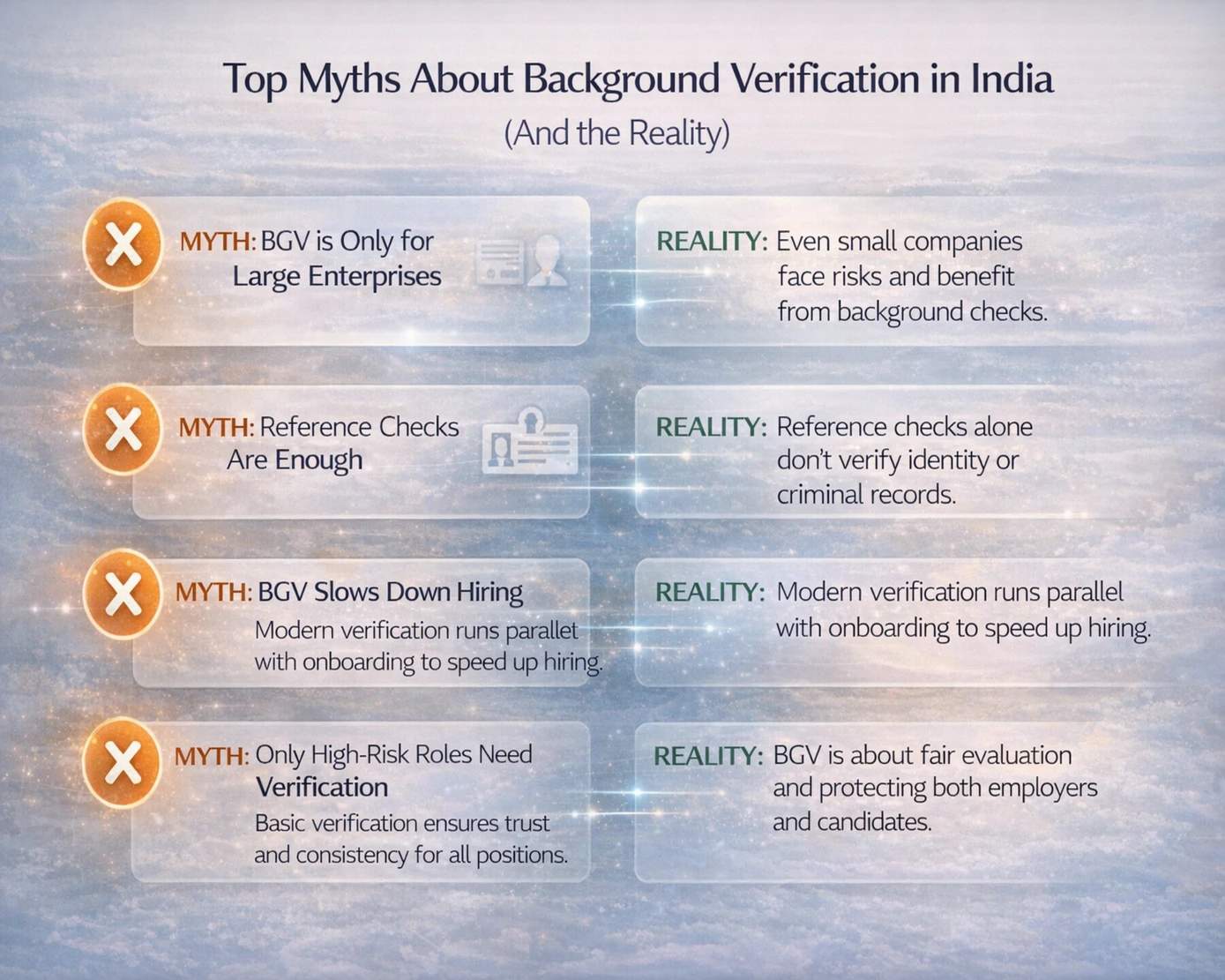
- R — Reference verification & risk checks: Deep references, background, and cultural fit interviews.
- E — Enable onboarding: 90-day plan with milestones, stakeholders, and success metrics.
Evaluating CIO candidates: practical assessment methods
When evaluating CIO candidates, combine three methods: a technical due-diligence briefing (architecture + risk), a strategic case presentation (30–90-180 day plan), and behavioral interviews using the STAR method. Include cross-functional stakeholders (CFO, COO, HR) in final rounds to assess partnership capability.
Practical tips to reduce hiring risk
- Use role-based scorecards: Define must-have vs. nice-to-have skills and score candidates quantitatively.
- Require a strategic presentation: Ask finalists to present a recovery or growth plan for a specific company issue.
- Run cross-check references using situational prompts that verify leadership decisions and vendor oversight.
- Pilot a short-term advisory engagement before a permanent offer when feasible (contract-to-hire for high-risk roles).
- Include cybersecurity and compliance checks early in the process for regulated industries.
Short real-world example
A mid-sized financial services company needed a new CIO to lead cloud migration and strengthen cybersecurity. Using the EXEC-HIRE Checklist, the hiring team required a strategic case presentation, conducted a cross-functional panel interview, and ran deep operational references. The finalist completed a 60-day advisory engagement to demonstrate leadership and execution, then started with a 90-day onboarding plan tied to specific risk-reduction milestones.
Trade-offs and common mistakes
Trade-offs occur between speed and certainty. Fast hires can close operational gaps but often increase turnover risk; lengthy searches improve fit but delay transformation. Common mistakes include:
- Overemphasizing technical depth at the expense of stakeholder management skills.
- Relying solely on resumes or LinkedIn profiles instead of live assessments.
- Neglecting to define clear success metrics for the first 90 days.
Core cluster questions
- How to evaluate technical and strategic fit for senior IT leaders?
- What interview formats best reveal executive leadership in IT?
- How should compensation and equity be structured for a CIO vs. CTO?
- What onboarding practices accelerate impact for new IT executives?
- Which governance and reporting structures support a new IT leader?
Relevant terms and related entities: CIO, CTO, VP of IT, IT governance, cybersecurity, digital transformation, technical recruiting, leadership assessment, competency model, behavioral interview.
For best-practice guidance on executive recruiting processes and legal considerations, consult professional HR standards such as those published by SHRM: Society for Human Resource Management.
Onboarding and measuring success
Design a 30-60-90 day plan with measurable goals tied to business outcomes: cost reduction, uptime, incident response time, or project delivery milestones. Use weekly check-ins, a steering committee for the first quarter, and quantifiable KPIs to reduce ambiguity and accelerate impact.
Common mistakes when onboarding an IT executive
- Failing to align the executive’s first projects with business priorities.
- Understaffing the new leader’s direct reports during transition.
- Not setting clear authority boundaries for vendor and budget decisions.
FAQ
What are the best practices for hiring an IT executive?
Best practices include defining role outcomes, using structured scorecards, requiring a strategic case presentation, conducting cross-functional interviews, and verifying references focused on prior leadership and delivery. Tie the role to specific business KPIs and create a 90-day onboarding plan.
How can organizations assess cultural fit without introducing bias?
Assess cultural fit by defining observable behaviors and outcomes rather than personality traits. Use structured behavioral interviews with standardized questions and scoring, and include a diverse interview panel to reduce bias.
When is a contract-to-hire approach appropriate for IT executive roles?
Consider contract-to-hire when there is high uncertainty about the scope, when immediate tactical leadership is needed, or when the organization wants to verify execution ability before a permanent commitment. Balance this with legal and compensation implications.
How should compensation for a CIO differ from a CTO?
Compensation differs by responsibilities: CIOs typically focus on operations, risk, and cost management; CTOs drive product and innovation. Benchmark against peers, include performance-linked incentives, and consider long-term equity for transformational roles.
How long should the search process take for senior IT leadership?
Typical executive searches range from 8–16 weeks depending on market conditions and role complexity. Speed should never bypass proper assessment; prioritize structured evaluation to reduce long-term turnover risk.