Home Blood Testing in Dubai: Complete At-Home Body Analysis Guide
-

- Published Updated
- 1,556 views
home blood test Dubai: overview and what to expect
A home blood test Dubai service enables blood sample collection at a residence or workplace for laboratory analysis without visiting a clinic. These services commonly offer panels such as complete blood count (CBC), lipid profile, HbA1c, liver and kidney function tests, vitamin D, and thyroid screening. This article explains how home blood testing works in Dubai, outlines common test panels, describes regulatory and safety considerations, and lists practical points to evaluate when choosing a provider.
- Home blood tests in Dubai collect samples on-site and send them to accredited laboratories.
- Common panels: CBC, lipid profile, metabolic panel, liver function, HbA1c, vitamin D, thyroid.
- Check provider accreditation, laboratory certification, sample transport, and data privacy practices.
- Regulatory oversight comes from local health authorities such as the Dubai Health Authority (DHA).
How home blood test Dubai services typically work
Booking and scheduling
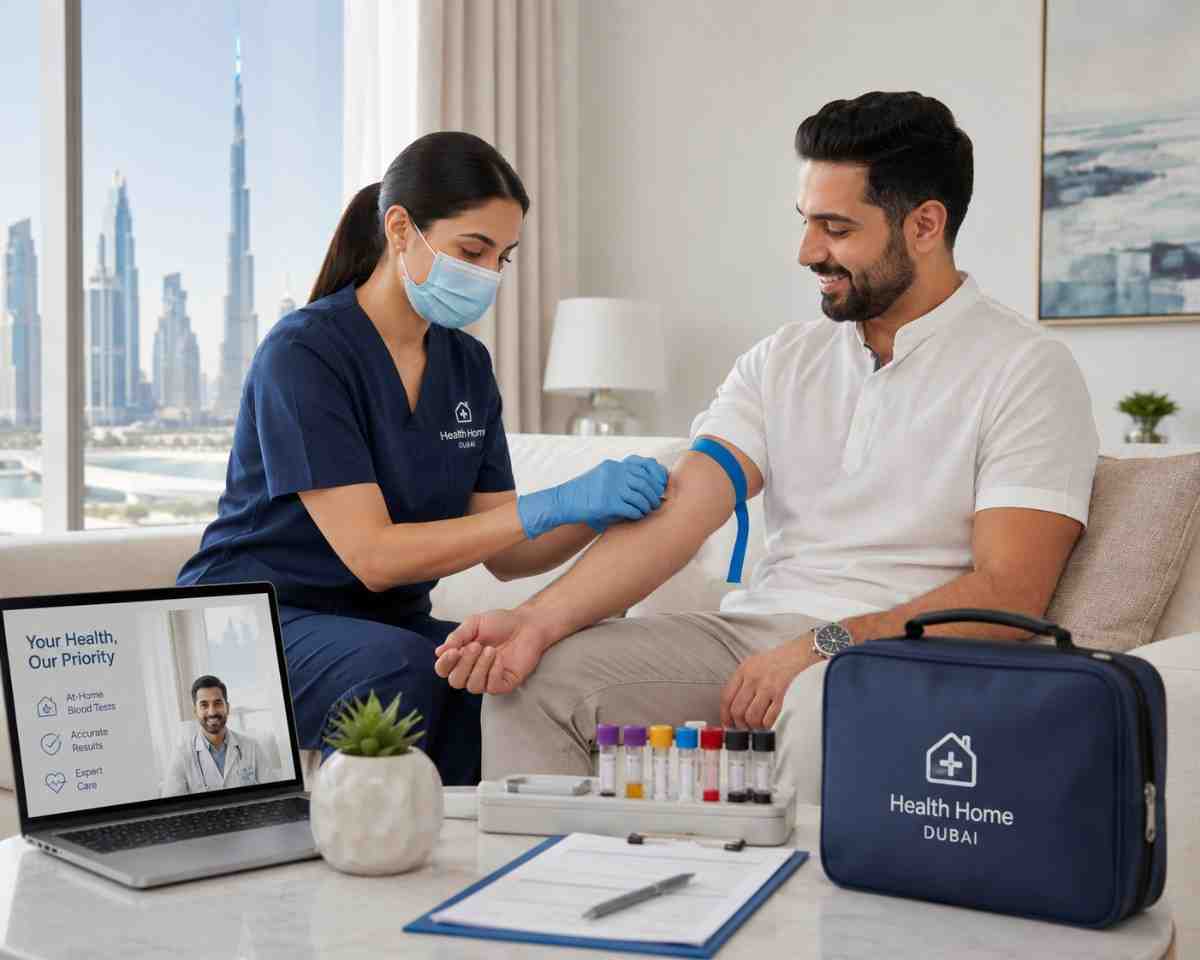
Booking is usually done online or by phone, selecting tests or a predefined health panel and choosing a convenient time slot. Providers coordinate with partner laboratories and assign a trained phlebotomist or technician to visit the location.
Sample collection and handling
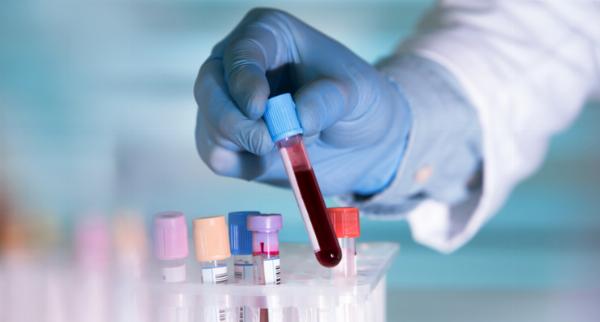
At the scheduled appointment, a trained professional performs venipuncture or finger-prick sampling following standard hygiene and infection-control procedures. Samples are labeled, stored under required conditions, and transported to an accredited laboratory according to chain-of-custody and cold-chain protocols where applicable.
Laboratory analysis and reporting
Analyses are completed in clinical laboratories using validated methods. Results are delivered electronically or through secure portals, often with reference ranges and an explanation of units. Report formats may vary by laboratory; look for clarity on normal ranges and methods used.
Common blood tests available through home services
Core blood panels
- Complete blood count (CBC) — evaluation of red cells, white cells, and platelets.
- Lipid profile — total cholesterol, LDL, HDL, and triglycerides for cardiovascular risk markers.
- Basic metabolic panel or comprehensive metabolic panel — electrolytes, glucose, kidney function, and liver enzymes.
- HbA1c — average blood sugar over preceding months for glucose control monitoring.
Specific nutrient and hormone tests
- Vitamin D and B12 levels.
- Thyroid-stimulating hormone (TSH) and related thyroid hormones.
- Iron studies and ferritin for iron status.
Regulatory, accreditation, and safety considerations
Local regulatory oversight
Health services and diagnostic laboratories operating in Dubai are subject to oversight by entities such as the Dubai Health Authority (DHA) and the Ministry of Health and Prevention (MOHAP). Confirm whether a provider and its partner laboratories are licensed and meet local regulatory requirements.
Laboratory accreditation and quality
Accreditation by recognised international or national bodies (for example, ISO standards or other recognised clinical laboratory accreditation schemes) indicates adherence to quality and technical standards. Request information about the laboratory's certifications and quality-control procedures.
For official guidance and licensing information, refer to the Dubai Health Authority site: Dubai Health Authority.
Choosing a provider and evaluating results
What to check before booking
- Licensing and accreditation for both the home collection service and the laboratory.
- Qualifications of phlebotomists and documented infection-control procedures.
- Sample transport and turnaround times for results.
- Privacy practices and whether results are delivered via secure systems.
Understanding reports and next steps
Reports typically present numeric results with laboratory reference ranges. Interpretation depends on clinical context, laboratory methods, and pre-analytical factors such as fasting state. Official clinical guidelines from recognised organisations (for example, World Health Organization or specialty societies) outline diagnostic thresholds and recommended follow-up pathways; laboratory reports generally do not replace a clinical consultation.
Practical tips for using home blood testing services
Sample collection timing and preparation
Certain tests require fasting or specific timing (for example, fasting glucose or lipid panels). Providers usually supply preparation instructions at booking. Ensure clear communication about any medications or recent health events that may affect results.
Data security and privacy
Confirm how personal health data and laboratory results are stored, who can access them, and how long records are retained. Privacy laws and regulations apply to health information; providers should outline compliance measures and consent processes.
Cost and coverage
Costs vary by panel, laboratory, and any additional service fees for home collection. Health insurance policies differ in coverage for diagnostic testing and home services; check policy terms and any preauthorization requirements.
When to seek further evaluation
Abnormal laboratory values may prompt further diagnostic evaluation. Official clinical pathways and local health authority guidance describe appropriate next steps; laboratory reports alone do not constitute a diagnostic or treatment plan.
Frequently asked questions
Is a home blood test Dubai service regulated?
Services providing home blood collection and diagnostic testing operate under local health regulations and licensing. Providers and partner laboratories should comply with Dubai Health Authority and other applicable regulatory requirements and maintain appropriate laboratory accreditation.
Which blood tests can be reliably performed from home-collected samples?
Many routine analyses—CBC, basic metabolic panels, lipid profiles, HbA1c, vitamin D, and thyroid tests—are compatible with standard venous blood collection at home. Specific tests requiring specialised handling or immediate processing may be limited; providers can advise which panels are suitable.
How are results delivered and how long do they take?
Turnaround times depend on the test panel and laboratory workload; results can be delivered within hours to several days via secure online portals, email, or printed reports, depending on provider practices.
Can home blood collection replace clinic-based testing?
Home collection can increase convenience for routine monitoring and screening. Clinical circumstances that require immediate evaluation, procedures, or supervised testing may still require in-clinic services. Test suitability and next steps depend on individual health context and local clinical standards.
Are there quality differences between home and clinic phlebotomy?
Quality depends on the qualifications of the collector, adherence to standard procedures, and the laboratory's processing standards. Licensed providers who partner with accredited laboratories typically follow the same technical standards as clinic-based services.