Affordable Homeowners Insurance in California: What Your Policy Must Cover
-

- Published Updated
- 3,765 views

Buying a home in California is exciting, and for a while, that is where your attention stays. You get comfortable with the space and figure out how things work. People get into a routine and do not think about what could go wrong. It is only later, usually after a repair or an unexpected expense, that the practical side of owning a home becomes more apparent.
At that point, insurance stops feeling like something you just signed up for and starts to feel necessary. Finding affordable homeowners' insurance in California is not difficult, but choosing a policy that actually helps when things go wrong takes more attention than most people expect.
What Your Home Insurance Really Protects?
A homeowner’s policy is easier to understand when you stop looking at it as a document and start thinking about what it does in real life.
Structure of the home
This part deals with the building itself. If a fire damages the roof or a storm affects the walls, this coverage helps you repair or rebuild. What matters most here is the cost to rebuild today, not what the property was worth when you bought it.
Personal belongings
It covers everything inside the home, such as furniture, appliances, clothing, and electronics. Policies do come with limits, so it is worth checking how much protection you have for valuable items.
Temporary living arrangements
If your home cannot be lived in after damage, your policy helps cover basic living costs. This might include a place to stay and daily expenses while repairs are being handled.
Liability coverage
Some situations have nothing to do with your home itself. If someone is injured on your property or you are responsible for damage, this coverage helps manage the financial consequences.
The Gaps Most Homeowners Discover Too Late
Most policies look complete until you look a little closer. That is usually when the missing pieces start to show.
Earthquake exposure
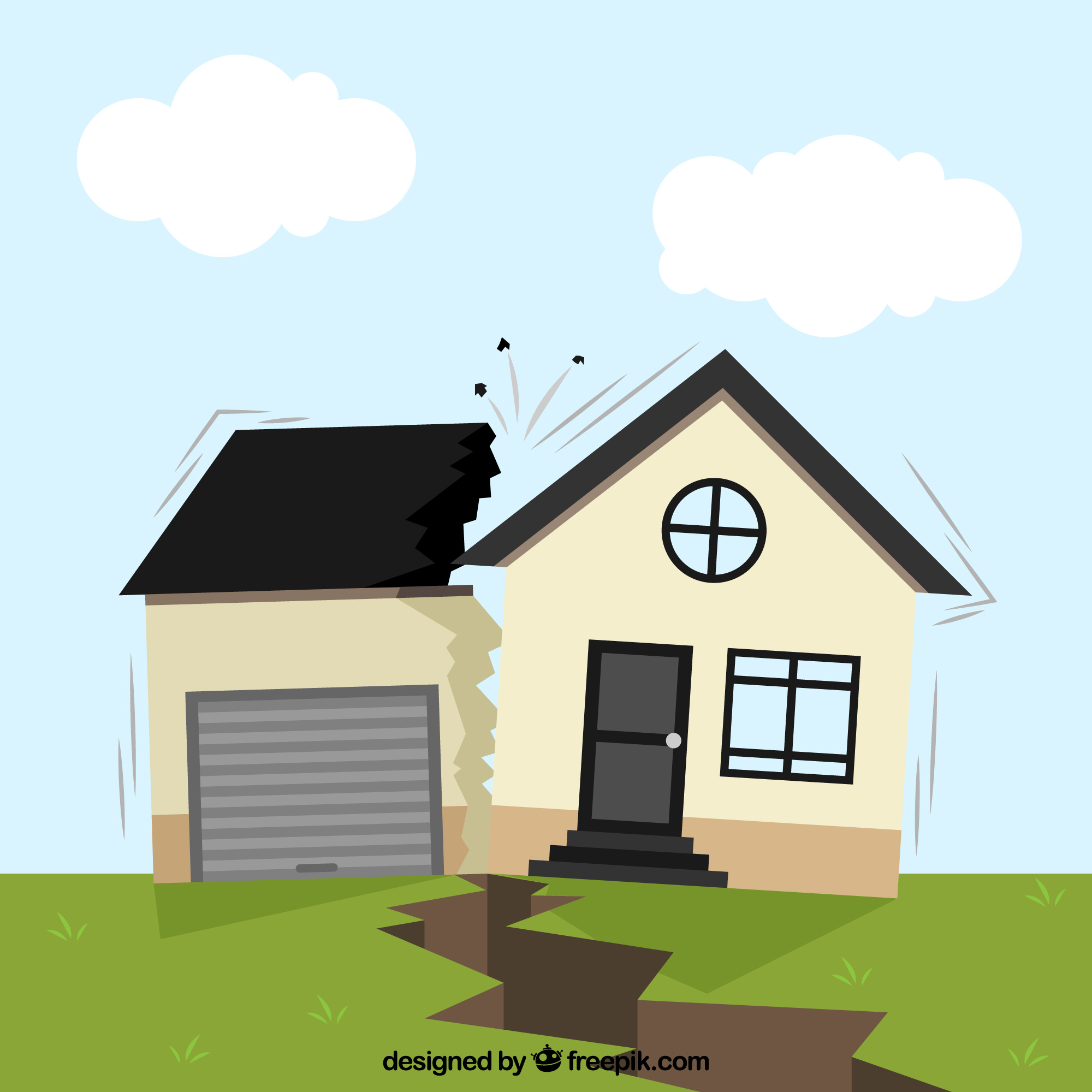
Earthquakes are not part of standard coverage, even though they are a known risk in California. Without separate protection, the cost of repairs can fall entirely on the homeowner.
Flood-related damage
Flooding is handled differently from other types of water damage. If water enters your home from outside, it typically requires its own policy.
These are the kind of details that do not stand out at first but become important when you actually need your coverage.
Choosing a Policy That Fits Your Home, Not Just Your Budget
It is easy to focus on price when you start comparing options. Most people do that. But choosing cheap home insurance in California without looking deeper can leave you with coverage that does not hold up when it matters.
A better way to look at it is to slow things down and focus on what your home actually needs:
• What it would cost to rebuild your home today
• The risks that are common in your area
• The limits placed on your belongings
When you compare California home owner insurance with this in mind, the differences between policies become clearer, and the decision feels more grounded.
How to Keep Your Insurance Affordable Without Cutting Protection?
Lowering your premium does not mean removing important coverage. It usually comes down to a few small decisions that add up over time.
Deductible selection
Choosing a higher deductible can lower your premium, but it should still be something you are comfortable paying if needed.
Policy bundling
Combining home and auto insurance is a common way to reduce costs while keeping things simple.
Property improvements
Adding safety features or reducing risks around your home can sometimes lower your premium over time.
These adjustments make house insurance in California easier to manage without taking away the protection you rely on.
When Something Goes Wrong: Handling a Claim the Right Way?
This is the point where your policy is actually tested. What you do here can affect how smoothly things move forward.
• Report the damage as soon as possible
• Take photos and keep records of what happened
• Stay in touch with your insurer during the process
• Read the settlement carefully before agreeing
Handling things clearly and steadily can prevent delays and confusion later.
The Real Takeaway: Insurance Should Work When You Need It Most
Most homeowners set up their insurance and then move on, assuming it will do its job if something ever happens. That assumption is only tested when there is actual damage or a situation that requires a claim. At that point, the details of the policy matter much more than they did at the beginning.
Taking time to understand what you are choosing can prevent confusion later. Consumer Coverage helps clarify that decision, so your policy holds up when you need it.