How Indian Restaurant Food Suppliers Create Authenticity for Global Kitchens
-

- March 12th, 2026
- 235 views

👉 Best IPTV Services 2026 – 10,000+ Channels, 4K Quality – Start Free Trial Now
Intent: Informational
The role of Indian restaurant food suppliers is central to delivering authentic regional flavors overseas. Indian restaurant food suppliers connect growers, spice mills, export warehouses, and local distributors so restaurants outside India can recreate regional dishes with authentic ingredients.
This guide explains how suppliers preserve authenticity through ingredient sourcing, quality controls, certifications, and logistics. It includes a named SOURCE checklist, a practical scenario, 3–5 actionable tips, common mistakes, trade-offs, and five core cluster questions for further reading.
How Indian restaurant food suppliers drive authenticity in global markets
Authenticity starts with the ingredient. For restaurants that promise regional Indian cuisine, authentic Indian ingredients—like single-origin spices, aged basmati rice, regional lentils, and traditional pickles—are not optional. Suppliers translate origin, processing, and packaging into reproducible results for chefs across continents, while navigating export rules, cold chain needs, and food-safety standards.
What suppliers do: sourcing, processing, and standards
Sourcing and origin verification
Suppliers identify farms and cooperatives that grow region-specific varieties (e.g., Kashmiri chilies, Malabar black pepper, Patna basmati). Traceability systems, farm audits, and harvest records help verify origin. Many buyers ask for lab certificates and crop-of-origin documents to confirm authenticity.
Processing, milling, and spice blending
How spices are dried, milled, and blended affects flavor. Suppliers coordinate with spice mills and co-packers to preserve traditional roast profiles and particle size. For ingredients like atta (whole wheat flour) or ghee, traditional processing methods are often required to match expected textures and aromas.
Quality systems and certifications
Compliance with safety and export rules is critical. Suppliers commonly follow HACCP principles and local regulations; for India, the Food Safety and Standards Authority of India provides standards for processed foods and labelling (FSSAI). For international markets, meeting buyer country requirements (FDA in the U.S., EFSA in the EU) and third-party audit standards (ISO, GlobalG.A.P., organic) supports market access.
The SOURCE checklist: a practical framework for authentic supply
Use the SOURCE checklist when evaluating a supplier or building a sourcing plan:
- Sourcing: Verify single-origin or regional varietals.
- Origin documentation: Request farm and batch traceability.
- Unit processing: Confirm traditional milling/processing methods.
- Regulatory compliance: Check certifications and lab tests.
- Cold chain & packaging: Ensure transport maintains freshness.
- Education: Provide chef training on ingredient handling.
Real-world example: a London restaurant replicating Hyderabadi flavors
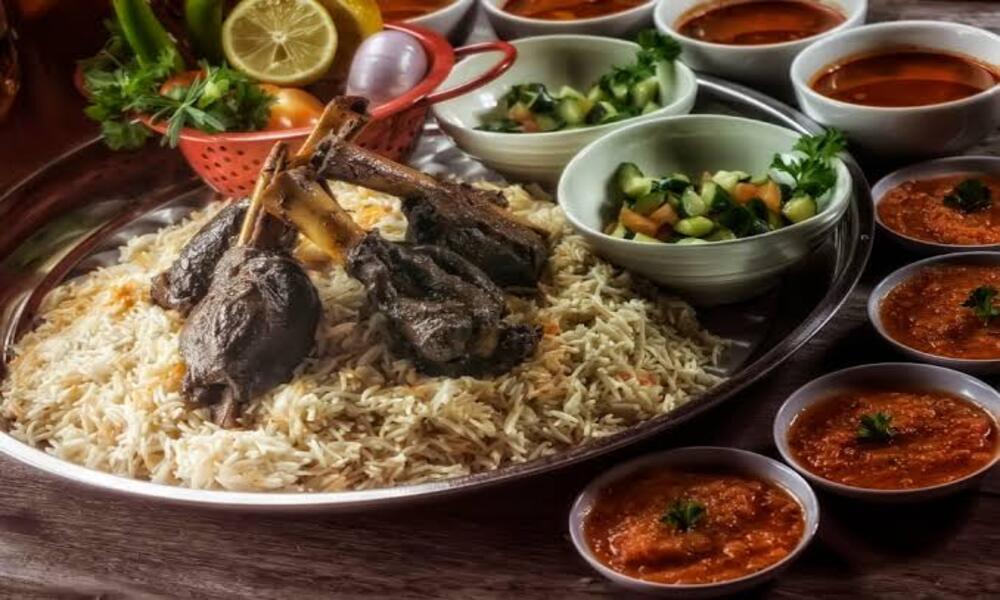
A mid-sized restaurant in London wanted more authentic Hyderabadi biryani. The supplier located single-origin basmati from the Indo-Gangetic plain, sourced hand-crushed red chilies from Andhra Pradesh, and shipped a small batch of fried onions preserved in coconut oil. Suppliers provided origin certificates, a heat-map of chili levels, and packaging optimized for 8–12 week shelf life. The chef adjusted hydration and assembly steps, and the restaurant achieved a consistent Hyderabadi profile without altering menu prices significantly.
Practical tips for restaurants and buyers
- Prioritize sample ordering: Test small batches for aroma and cooking performance before committing to bulk purchases.
- Request full technical data sheets: Moisture levels, particle size, and recommended storage help preserve flavor.
- Establish reorder windows: Work with suppliers to maintain continuous stock of seasonal or single-origin ingredients.
- Train kitchen staff: Proper storage, blooming spices in oil, and handling instructions preserve authenticity.
Trade-offs and common mistakes
Trade-offs are real when balancing authenticity, cost, and supply risk. Single-origin, traditionally processed ingredients often cost more and have longer lead times. Substituting cheaper blends can reduce cost but dilute flavor profile. Common mistakes include skipping origin verification, ignoring shelf-life limits, and failing to plan seasonal procurement—each leads to inconsistent dishes and disappointed guests.
How global logistics and the food supply chain affect authenticity
Suppliers manage the global food supply chain to protect aroma and potency. Proper packaging (vacuum, nitrogen flush), temperature control, and fast customs clearance limit oxidation and microbial risk. Working with freight forwarders familiar with perishable spices and food-grade packaging reduces delay-related flavor loss.
Core cluster questions
- How do suppliers verify single-origin spices for restaurants?
- What certifications ensure safe export of Indian food products?
- How should restaurants test ingredient authenticity on arrival?
- What logistics practices preserve spice freshness during shipping?
- How can small restaurants build direct relationships with Indian growers?
Related considerations: cost, regulations, and menu strategy
Allow for larger inventory buffers and some premium pricing when authentic ingredients are essential to brand positioning. Work with suppliers to understand tariff, labelling, and allergen rules in target markets. Where full authenticity is cost-prohibitive, consider hybrid approaches—import key spices and source commodities locally.
Frequently asked questions
What do Indian restaurant food suppliers actually provide?
Suppliers provide ingredients (spices, rice, pulses, oils), processing and packaging services, certifications, traceability documentation, and logistics coordination to ensure products arrive with intended flavor and safety.
How can chefs verify authentic Indian ingredients on delivery?
Check lab certificates, batch numbers, sensory checks (aroma, color), and basic lab tests if possible (moisture, ash). Maintain a record of supplier batch performance to spot inconsistencies over time.
Are authentic ingredients more expensive and why?
Yes, often. Costs reflect limited supply, single-origin premiums, traditional processing, certifications, and higher logistics complexity required to preserve quality.
How do Indian restaurant food suppliers support compliance with international food-safety rules?
Suppliers implement HACCP-style controls, provide necessary lab reports, and obtain relevant certifications. For India, the Food Safety and Standards Authority of India sets domestic requirements that exporters commonly follow (FSSAI).
How can small restaurants start sourcing authentic Indian ingredients?
Begin with the SOURCE checklist: identify priority ingredients, order samples, verify origin documents, and choose suppliers who offer small-batch exports. Build relationships and document performance to scale responsibly.
Authoritative reference: Food Safety and Standards Authority of India provides regulatory guidance for processed food products and labelling required for export compliance (FSSAI).