How Many Rolls of Stretch Wrap to Buy for a Move: Quick Calculator & Examples
-

- Published Updated
- 1,330 views
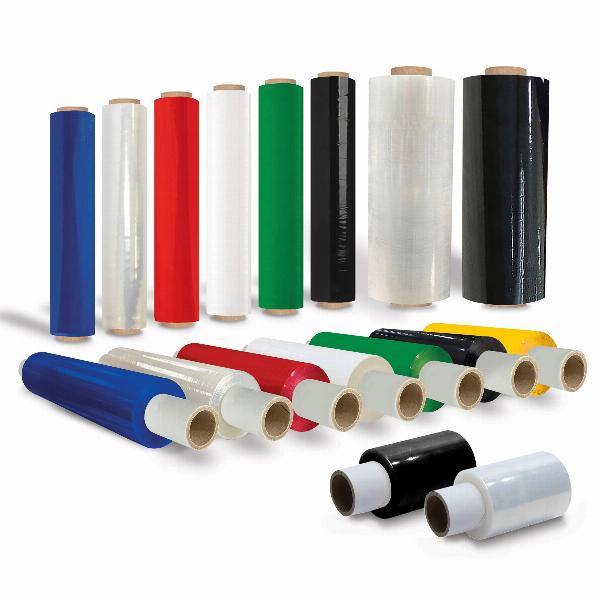
Stretch wrap for moving is a common packing supply used to protect furniture, secure stacked boxes, and bundle small items. Estimating how many rolls are required depends on roll length, wrap patterns, box dimensions, and the number of large items. The guide below provides a simple method to calculate needs, sample scenarios, and tips to avoid overbuying or running short.
- Common hand-wrap roll lengths: roughly 500–1,500 feet; machine rolls are longer.
- Estimate linear feet per box by calculating box circumference × wraps per box.
- Include extra for furniture, pallets, and an additional 10–20% buffer.
- Recycle used plastic film where facilities accept it (see EPA guidance).
How to calculate stretch wrap for moving (stretch wrap for moving)
Start by collecting three pieces of information: the length of the roll(s) to be used, the average circumference of the box or item being wrapped, and the number of wraps to apply for secure protection. Using linear feet makes the calculation straightforward.
Step-by-step formula
1. Measure box circumference in feet: circumference = 2 × (length + width) in inches, then divide by 12 to convert to feet. 2. Decide wraps per box (typically 2–4 wraps for stacked or bundled boxes). 3. Multiply circumference × wraps per box = feet per box. 4. Total feet needed = feet per box × number of boxes + estimated feet for furniture and pallets. 5. Divide total feet needed by roll length (in feet) to get number of rolls; round up and add 10–20% buffer.
Example calculation
Example: A medium moving box 18" × 14" has circumference 2×(18+14)=64 inches = 5.33 feet. With 3 wraps per box: 5.33 × 3 ≈ 16 feet per box. If there are 100 boxes: 100 × 16 = 1,600 feet. If using 500-foot hand rolls: 1,600 ÷ 500 = 3.2 → round up to 4 rolls, then add 10% buffer → 4.4 → buy 5 rolls.
Factors that change how many rolls are needed
Roll length and film type
Hand-wrap rolls are commonly available in a range from about 500 to 1,500 linear feet; machine rolls are much longer. Thinner film can stretch farther per foot but may require more layers for protection. Check the product label for roll length and recommended use.
Box size and number of wraps
Larger boxes have greater circumference and therefore need more film per wrap. Fragile contents or long-distance moves may warrant more wraps. Bundling small boxes together can reduce total film used compared with individually wrapping each box.
Furniture, mattresses, and pallets
Furniture pieces vary greatly. Small chairs or nightstands may take 10–30 feet each; sofas, mattresses, and bulky items can require 40–100+ feet per item. Pallets and large furniture wrapped for storage or long-haul transport can use several hundred feet. Allow a flexible estimate based on the quantity and size of these items.
Climate, transport, and handling
Moves involving long-distance transport, multiple transfers, or exposure to dirt and moisture may require additional layers or heavier film. Consider weatherproof or thicker options if protection from moisture is needed.
Sample scenarios and ballpark roll estimates
Small apartment (studio or 1-bedroom)
Typical box count: 30–70. Using the earlier medium-box example and 3 wraps: 16 ft/box × 50 boxes = 800 ft. With 500-ft rolls, about 2 rolls. Add buffer and furniture allowance → buy 3 rolls.
2–3 bedroom house
Typical box count: 150–300. Using 150 boxes example: 16 ft/box × 150 = 2,400 ft. With 500-ft rolls → 4.8 → 5 rolls; with 1,500-ft rolls → 1.6 → 2 rolls. Add extra for furniture and a 10–20% buffer.
Full household move with pallets or large furniture
A move that includes disassembled furniture, multiple pallets, or a piano can add several hundred to a few thousand feet of film. For large moves, consider purchasing longer machine rolls or several 1,500-ft hand rolls.
Practical tips to save film and money
Use targeted wrapping
Wrap corners and vulnerable areas with cardboard or corner protectors, then use stretch wrap mainly to hold protective materials and secure seams. Bundling small items together before wrapping reduces film use.
Choose the right film width and stretch
Wider film covers more area per wrap, reducing wraps needed. Pre-stretch or high-cling films transfer tension better and may require fewer layers for the same holding strength. Review supplier specifications for recommended applications.
Reuse and recycle
Used stretch film may be recyclable at plastics film collection sites. Check local recycling rules and drop-off locations. For national guidance on recycling plastic film, consult the U.S. Environmental Protection Agency's recycling resources: EPA recycling guidance.
Buying checklist
- Confirm roll length (linear feet) and film width before purchasing.
- Decide between hand-wrap and machine-wrap based on volume.
- Estimate box circumference and wraps per box using the formula above.
- Include extra for furniture, pallets, and a 10–20% safety buffer.
When to consult a professional
Large commercial or long-distance moves
For large commercial relocations, freight shipments, or moves where the vehicle securing standard matters, consult a professional moving company or logistics provider about film type and load securement standards. Official transport regulations such as those managed by the U.S. Department of Transportation or related agencies may apply to freight securing practices.
Frequently asked questions
How many rolls of stretch wrap do I need for moving?
Calculate total linear feet required by multiplying box circumference by wraps per box, add feet for furniture and pallets, then divide by roll length. Round up and add a 10–20% buffer. Example: 100 medium boxes using 3 wraps at ~5.33 ft circumference = ~1,600 ft; with 500-ft rolls, buy 5 rolls including buffer.
What is the difference between hand stretch wrap and machine stretch wrap?
Hand stretch wrap is supplied on smaller cores for manual application and is available in shorter roll lengths. Machine stretch wrap is thicker or pre-stretched and supplied on larger cores for use with wrapping machines; it comes in much longer rolls and is more efficient for high-volume packaging.
Can stretch wrap be recycled after a move?
Stretch film may be recyclable through plastic film collection programs at many grocery stores or recycling centers, but it is not typically accepted in curbside recycling. Check local rules and national guidance such as the EPA's recycling resources for collection options.
How much stretch wrap does a mattress or sofa require?
Small furniture pieces can require 10–30 feet; sofas and mattresses often require 40–100+ feet depending on size and how many layers are applied. Measure dimensions and estimate wraps similar to boxes, then add extra for overlapping and seams.
Is it better to overbuy or underbuy stretch wrap?
Overbuying by one or two rolls offers convenience and reduces risk of running out mid-move. Underbuying can disrupt packing and increase last-minute purchases. Aim for a modest buffer (10–20%) after calculating estimated needs.