How Much Does Full Body Laser Hair Removal Cost: Average Prices and Key Factors
-

- February 23rd, 2026
- 1,755 views
The Average Cost of Full Body Laser Hair Removal varies widely depending on clinic location, device technology, and how many treatment sessions are required. Understanding typical price ranges, what affects cost, and how to compare providers helps set realistic expectations when budgeting for this elective cosmetic procedure.
- Typical total cost range for a complete course: roughly $1,500 to $6,000, depending on region and treatment plan.
- Most people require multiple sessions (commonly 6–8) spaced several weeks apart.
- Price drivers include geographic location, clinic credentials, device type, treatment area size, skin and hair type, and package discounts.
Overview: what full body laser hair removal involves
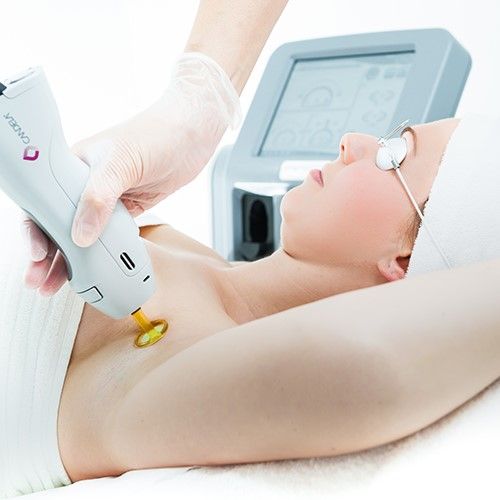
Full body laser hair removal targets multiple areas in one or more treatment sessions. Areas typically included are legs, arms, underarms, bikini, chest, back, and face (excluding delicate eyelid areas). Treatments use concentrated light to damage hair follicles and reduce hair growth over time. Because results are cumulative, providers usually recommend a series of sessions to achieve long-term reduction.
Average Cost of Full Body Laser Hair Removal: Typical Price Range
Reported costs for a full course of full body laser hair removal differ by market. For budgeting purposes, a common range for the total cost of a recommended treatment series is approximately $1,500 to $6,000. In many urban centers or high-cost regions, total expense may be toward the higher end. Per-session pricing for a full-body session can range from a few hundred dollars to over $1,000 depending on clinic rates and the extent of areas treated.
How pricing is calculated
Clinics calculate price using several methods:
- Per-area pricing: each body area (e.g., lower leg, underarm) has its own fee; full-body is the sum of included areas.
- Per-session pricing: a set fee for treating all agreed areas during one visit.
- Package pricing: discounted bundles for multiple sessions purchased together, often offered for the recommended treatment course.
Number of sessions
Multiple treatments are required because hair grows in cycles. Most patients need 6–8 sessions, spaced four to twelve weeks apart depending on the treatment area and hair growth. Maintenance or touch-up sessions may be recommended and will affect total cost over time.
Device and provider qualifications
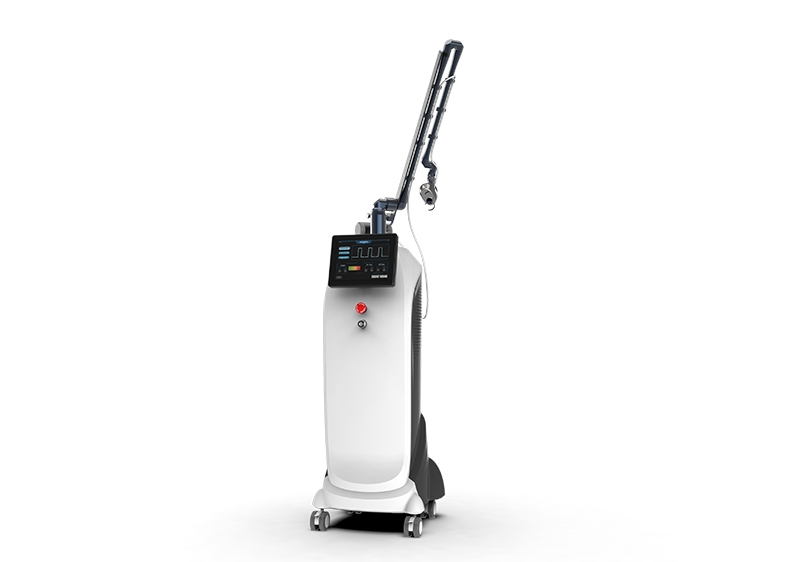
Higher-cost devices (e.g., long-pulse alexandrite, Nd:YAG, diode lasers) and experienced medical providers often charge more. Clinics that use FDA-cleared devices and employ credentialed clinicians or board-certified dermatologists may have higher fees but are also more likely to follow recognized safety protocols. For regulatory and safety information, consult the U.S. Food and Drug Administration: U.S. Food and Drug Administration.
Factors that affect cost
- Geographic location: prices are typically higher in large metropolitan areas.
- Clinic reputation and staff credentials: experienced providers may charge premium rates.
- Treatment area size: larger areas (legs, back) cost more than small areas (upper lip, underarm).
- Skin and hair type: certain devices and protocols are better suited for darker skin tones and may require different settings that influence time and price.
- Number of sessions and need for maintenance: more sessions raise the total expense.
- Promotions and package discounts: buying multiple sessions upfront is often less expensive per session than paying individually.
Cost comparison: full body vs. individual areas
Full body packages can offer per-session savings compared with buying each area separately. However, some patients prefer customizing treatment areas (for example, focusing on legs and underarms only) which can lower immediate costs. A cost-effective strategy is to obtain written quotes for both an all-inclusive full-body package and a la carte pricing for selected areas, then compare total cost for the typical number of sessions recommended.
Insurance, financing, and budgeting
Laser hair removal is typically considered cosmetic and is not covered by health insurance. Many clinics provide financing plans, payment installments, or third-party credit options for elective procedures. When evaluating financing, review interest rates, total repayment amount, and any penalties for missed payments. Clinics may also offer seasonal promotions or discounts for multiple-session purchases.
How to compare clinics and quotes
- Request a consultation to receive a written estimate that lists the number of sessions and what areas are included.
- Ask about the device type, staff training, and whether a test patch will be performed.
- Check before-and-after photos and patient reviews, and verify credentials with local licensing boards or professional organizations such as the American Academy of Dermatology.
- Confirm policies on cancellations, refunds, and follow-up or maintenance treatments.
Safety and regulatory considerations
Laser hair removal can be effective but may carry risks such as temporary skin irritation, pigment changes, or burns if improperly performed. Choosing a provider that follows established safety guidelines and uses cleared devices reduces risk. For official safety information and device regulation, review resources from national health regulators such as the U.S. Food and Drug Administration and professional clinical guidance from dermatology organizations.
Estimating your budget
To estimate personal cost: request a consultation for an individualized treatment plan and written estimate. Multiply the quoted per-session cost by the recommended number of sessions and account for possible maintenance visits. Compare multiple clinic quotes and factor in travel time and any required downtime when deciding.
Frequently asked questions
What is the average cost of full body laser hair removal?
Average total cost for a complete course typically ranges from about $1,500 to $6,000 depending on location, number of sessions, device, and clinic. Individual circumstances and local pricing can put cost outside this range.
How many sessions are usually needed?
Most people require 6–8 sessions for significant long-term reduction, with treatments spaced several weeks apart; maintenance sessions may be needed later.
Does skin or hair color change the price?
Not usually the advertised price, but skin and hair type can affect the chosen device and treatment time, which may influence the total cost. Clinics experienced in treating diverse skin tones may recommend different protocols.
Are there cheaper alternatives to laser hair removal?
Alternatives include electrolysis, waxing, and depilatory methods. Electrolysis permanently removes hair but is often slower and priced per-hour; waxing and depilatories are lower-cost short-term options but require ongoing maintenance.
How to verify a clinic before booking?
Confirm staff credentials, ask about device clearance and safety protocols, read reviews, view before-and-after photos, and request a consultation with a clear written estimate.