Interior Repaint Schedule: How Often to Repaint Rooms for Lasting Results
-

- March 21st, 2026
- 412 views

FREE SEO Topical Map Generator: Find Your Next Content Ideas
Introduction
The primary question for maintenance planning is often how often to repaint interior surfaces. The answer depends on room use, paint quality, surface condition, and aesthetic goals. This guide explains typical timelines, decision factors, a practical REPAINT checklist, and clear tips to set a repaint schedule that balances cost, appearance, and indoor air quality.
- Typical repaint intervals: 3–5 years for high-traffic rooms, 5–7 years for living areas, 7–10+ years for low-traffic bedrooms and ceilings.
- Key factors: traffic, moisture, paint type, surface prep, and desired aesthetics.
- Use the REPAINT checklist to standardize decisions and prep work.
How often to repaint interior: general schedules and guidelines
Rather than a single universal number, the schedule for repainting interior walls varies by room and conditions. High-traffic spaces such as kitchens, hallways, and children's rooms typically need attention every 3–5 years. Living rooms and dining areas often fall in the 5–7 year range, while low-traffic bedrooms and ceilings may go 7–10 years or longer when well-painted and maintained. These ranges assume normal wear and average-quality paint; premium finishes and proper prep can extend the lifespan.
Factors that determine repaint frequency
Room use and traffic
Rooms with daily use see more scuffs, handprints, and abrasions. Hallways, stairwells, and kids' rooms are repaint candidates sooner than formal spaces.
Surface condition and damage
Peeling, chalking, visible stains, or water damage are direct triggers for repainting. Address underlying issues like leaks or surface contamination before repainting.
Paint type and finish
Higher-quality paints and washable finishes (eggshell, satin, semi-gloss) resist wear and clean better than flat or matte sheens. Interior paint lifespan by room depends heavily on selected formula and sheen.
Environmental factors
Moisture and sunlight shorten paint life. Bathrooms and sun-exposed walls often need more frequent attention or moisture-resistant coatings.
REPAINT Checklist: a practical framework
Use the REPAINT Checklist to structure decisions and preparation. REPAINT is an acronym that guides evaluation and action:
- Reason — Identify why repainting is needed (wear, color change, damage).
- Exposure — Note moisture, sunlight, and traffic levels for the room.
- Prep — Check for surface repairs, priming needs, and cleaning.
- Application — Select paint type, sheen, and number of coats.
- Inspection — Look for adhesion, coverage, and imperfections after the first coat.
- Neutralize — Ensure ventilation and cure time to reduce VOC exposure.
- Timing — Schedule repainting when occupancy and humidity are favorable.
Practical planning: a short real-world example
Scenario: A 10-year-old townhouse with a busy hallway, two bedrooms, a bathroom, and an open-plan living area. The hallway shows scuffs and marks after 5 years; the living area looks fine at year 7; bedrooms show minor wear at year 9; the bathroom has mildew spots at year 6 due to poor ventilation. Using the REPAINT Checklist, prioritize the hallway at year 5 (wash, spot-prime, apply washable satin), treat the bathroom at year 6 (ventilation and mildew-resistant paint), repaint living room at year 8 only if aesthetic update is desired, and schedule bedrooms at year 9–10 depending on how much wear accumulates.
Practical tips for timing and execution
- Plan repainting during mild, low-humidity months to improve drying and cure times and reduce VOC retention.
- Choose washable sheens for high-traffic areas to extend the interval between full repaints.
- Perform small spot repairs annually—touch-ups often delay full repaints.
- Record paint color, sheen, and batch information to make future touch-ups seamless.
Trade-offs and common mistakes
Common mistakes to avoid
Skipping surface preparation is the most frequent error—new paint over dirt, grease, or peeling coatings will fail sooner. Another mistake is selecting a flat, non-washable finish for kitchens or hallways; this increases the need for repainting. Choosing paint solely on price can shorten intervals if low-quality formulations are used.
Trade-offs to consider
Higher-quality paint increases upfront cost but reduces frequency of repainting and improves stain resistance. Matte finishes hide imperfections but are harder to clean; semi-gloss cleans easily but shows flaws more. Balancing aesthetics, durability, and budget is the practical approach.
Maintenance actions that delay repainting
Regular cleaning with appropriate cleaners, prompt repair of surface damage, improved ventilation in wet rooms, and using washable paints in active areas all extend the useful life of interior paint and push back full repaint cycles.
Core cluster questions
These five core questions are useful internal-linking targets for deeper guides and reflect common searches:
- What is the average lifespan of interior paint by room?
- How to prepare walls before repainting?
- When should kitchens and bathrooms be repainted?
- How does paint sheen affect cleaning and durability?
- What are low-VOC paint options and indoor air quality considerations?
Health and safety note
Ventilation and proper drying time reduce volatile organic compound (VOC) exposure after painting. For guidance on indoor air quality and best practices, follow reputable health and environmental resources such as the U.S. Environmental Protection Agency on indoor air quality and painting practices: EPA Indoor Air Quality.
FAQ
How often to repaint interior rooms like kitchens and hallways?
Kitchens and hallways typically require repainting every 3–5 years due to higher traffic, grease, and frequent contact. Using washable paint and regular cleaning can extend this interval.
How long does interior paint last on bedroom walls?
Bedroom walls often last 7–10 years or more when traffic is low and surfaces are properly prepared and painted with quality products.
What maintenance delays the need to repaint interior walls?
Regular cleaning, prompt repair of holes or peeling, and improving ventilation in moist areas are effective ways to delay repainting.
Does paint quality affect how often to repaint interior surfaces?
Yes. Higher-quality paints with better pigments and binders resist fading, staining, and wear, extending repaint intervals compared with bargain-grade products.
Are there situations that require repainting sooner than typical intervals?
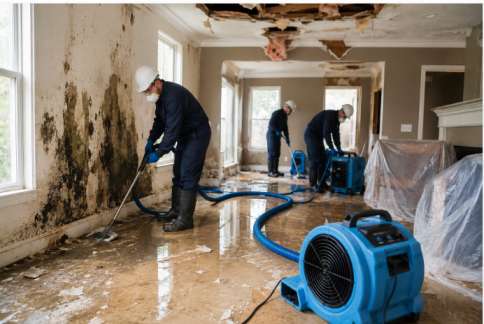
Yes—water leaks, mold, heavy smoke exposure, or significant staining are situations that require immediate repainting and remediation. Address underlying causes rather than only covering symptoms with paint.
Related terms and concepts: repaint schedule, interior paint maintenance, paint lifespan, paint sheen, VOCs, surface prep, priming, adhesion, mildew-resistant coatings.