Avoid DIY Regrets: How Residential Bathroom Remodeling Services Save Time, Money, and Stress
-

- March 02nd, 2026
- 275 views

Get a free topical map and start building content authority today.
residential bathroom remodeling services: Why hiring professionals prevents DIY regrets
Choosing residential bathroom remodeling services can be the single best way to avoid DIY regrets that come from hidden plumbing damage, improper waterproofing, or missed building-code requirements. Homeowners who attempt large bathroom projects without trade experience often face delays, cost overruns, and repairs that could have been prevented with professional planning and execution.
This guide explains how licensed residential bathroom remodeling services reduce risk and improve long-term value. It includes a named R.E.M.O.D.E.L. checklist for project stages, a short real-world scenario, practical tips, common DIY mistakes, and five core cluster questions for further reading.
Detected intent: Informational
How professionals reduce common DIY failure modes
Professional teams bring coordinated skills: accurate measurements, waterproofing, ventilation planning, electrical and plumbing expertise, and familiarity with permits and local code. These strengths reduce issues such as leaking behind tiles, subfloor rot, improper ventilation leading to mold, and electrical mistakes that create safety hazards. For claims about code compliance and permit requirements, consult the International Code Council: iccsafe.org.
residential bathroom remodeling services: what they typically include
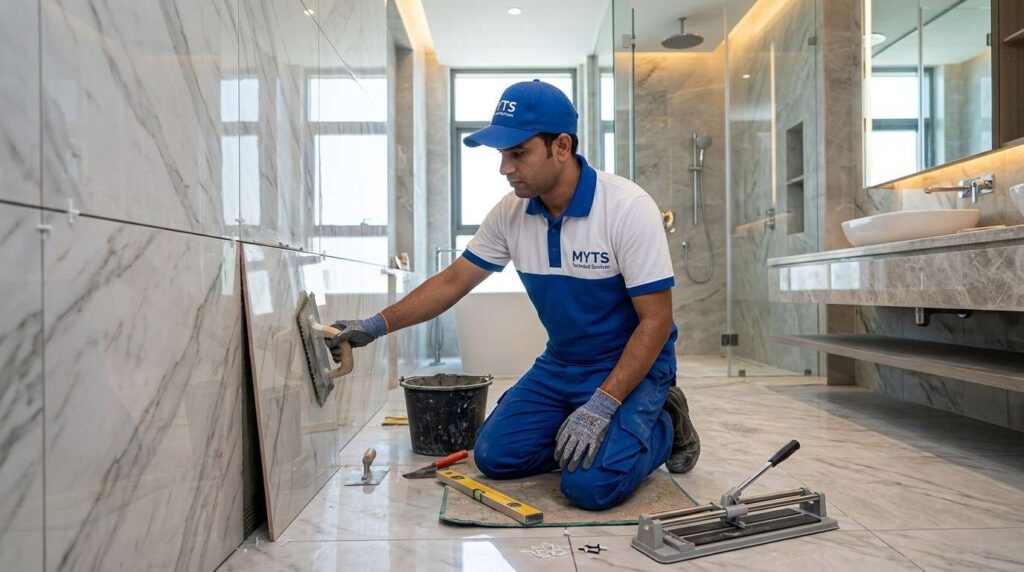
A full-service contractor usually offers planning and design, material sourcing, structural and finish work, licensed plumbing and electrical services, permit handling, and a warranty on workmanship. That bundled approach prevents gaps that happen when homeowners hire individual trades or try DIY sequencing without a master schedule.
Top bathroom remodel contractor benefits
- Single point of contact for scheduling and quality control
- Access to trade discounts and reliable material sourcing
- Knowledge of code, permits, and inspection flow
- Warranties and insurance coverage that protect the homeowner
R.E.M.O.D.E.L. checklist — a practical framework for every bathroom project
Use the R.E.M.O.D.E.L. checklist as a step-by-step framework to compare quotes and verify that nothing is overlooked during planning and execution.
- Requirements: Define function, accessibility, and budget.
- Estimate: Get itemized bids and compare labor vs. material costs.
- Materials: Confirm product specifications, lead times, and return policies.
- Order & Permits: Secure permits, order materials, and verify inspections.
- Demolition: Protect adjoining areas and check for concealed damage.
- Execute: Coordinate trades—plumber, electrician, tiler, painter—on a clear timeline.
- Lookover & Warranty: Perform a final walkthrough, document defects, and confirm warranties.
Real-world scenario: How a pro saved a project
Scenario: An older condo owner planned to replace a tub with a tiled walk-in shower. DIY removal revealed a rotted curb and an old cast-iron drain. A licensed remodeling team evaluated the subfloor, replaced rotted joists, installed a code-compliant shower pan and a modern waterproofing membrane, and coordinated the required plumbing upgrade. The project avoided long-term leaks and saved the owner repeated repair costs and lost living time from a failed DIY attempt.
How to evaluate trade-offs and common mistakes
Trade-offs often involve cost versus risk. Doing small cosmetic updates (paint, hardware) as DIY can be reasonable. Larger work — moving drains, changing electrical layout, or altering structural elements — carries high risk if handled without permits and licensed trades. Common mistakes include:
- Skipping waterproof membranes or improper overlap at corners
- Underestimating ventilation needs—leading to persistent mold
- Poor sequencing that forces rework (finishing before the plumbing is signed off)
- Using non-rated materials in wet zones
Trade-offs to consider
- Speed vs. quality: An inexpensive quick fix often costs more long term.
- DIY savings vs. insurance and permit risk: Unpermitted work can affect resale and insurance claims.
- Custom design vs. standard components: Custom can add value but increases complexity and timeline.
Practical tips to avoid DIY bathroom remodel regrets
- Get at least three detailed, itemized bids and compare the scope, not just the total price.
- Verify licenses and insurance; ask for recent references and photos of finished projects.
- Set aside a contingency of 10–20% of the budget for hidden problems found during demolition.
- Confirm lead times for long-lead items (vanities, tiles, specialty fixtures) before starting demolition.
- Document approvals and final inspection sign-offs to safeguard resale disclosures.
Core cluster questions for internal linking and deeper reading
- What should be included in a bathroom remodel contract?
- How are bathroom remodeling permits obtained and what inspections are required?
- How much does a typical bathroom remodel cost by scope and region?
- What are the best waterproofing practices for a shower renovation?
- How to choose fixtures and finishes that balance durability and resale value?
Cost control and timeline expectations
Typical timelines vary: a cosmetic refresh (paint, fixtures) can take a few days; a mid-range remodel often runs 2–4 weeks; full gut remodels usually take 6–12 weeks depending on structural changes and inspections. Cost control relies on early material decisions and clear scheduling to avoid hold-ups that increase labor hours.
When DIY makes sense
Simple cosmetic updates—painting, replacing hardware, swapping mirrors or light fixtures—are reasonable DIY projects. Tasks that involve structural work, plumbing reconfiguration, electrical rewiring, or waterproofing a wet area are best left to licensed professionals to avoid safety and compliance issues.
Final checklist before signing a contract
- Confirm license numbers and insurance certificates.
- Get an itemized scope and payment schedule tied to milestones.
- Agree on a change-order process for unexpected work discovered after demolition.
- Verify warranty terms for labor and materials in writing.
FAQ
How do residential bathroom remodeling services reduce DIY regrets?
Licensed remodeling services reduce regrets by combining accurate site assessment, code-compliant installations, coordinated trades, and warranty-backed workmanship. They anticipate hidden conditions and handle permitting and inspections, minimizing surprises that often derail DIY projects.
What is the difference between a contractor and a bathroom remodel contractor benefits?
A general contractor manages the whole project; a specialist bathroom remodel contractor benefits homeowners by focusing on best practices for wet areas, having established trade partners for plumbing, tile, and waterproofing, and often deeper experience with bathroom-specific challenges.
How can homeowners avoid DIY bathroom mistakes?
Avoid mistakes by researching waterproofing systems, confirming ventilation calculations, reserving budget for contingencies, and consulting with licensed trades for structural, plumbing, and electrical work before demolition.
Do remodeling projects usually require permits?
Most projects that change plumbing, electrical, or structural elements require permits and inspections. Local building departments set requirements; failing to obtain permits can lead to fines and issues at resale.
How long should a bathroom remodel warranty last?
Warranties vary. Labor warranties commonly range from 1–5 years; manufacturers provide separate warranties for fixtures and finishes. Confirm both and get warranty terms in the contract.