Cheshire Lip Enhancement Guide: How to Get Fuller, Defined Lips Safely
-

- March 18th, 2026
- 372 views

Get a free topical map and start building content authority today.
How to achieve fuller defined lips in Cheshire: a practical step-by-step guide
This guide explains how to get fuller defined lips in Cheshire with clear steps, safety checks, and realistic expectations. Whether considering hyaluronic acid dermal fillers, non-surgical lip enhancement, or simply improving definition with makeup and aftercare, the advice below focuses on safety, results, and how to choose a qualified practitioner.
Follow a structured approach: research options (lip filler options in Cheshire, non-surgical lip enhancement Cheshire), verify credentials, use the SAFE checklist before treatment, and follow aftercare to reduce swelling and complications.
Step 1: Decide which approach fits goals and lifestyle
Start by clarifying goals: subtle volume, sharper vermilion border, corrected asymmetry, or long-lasting enhancement. Options include hyaluronic acid lip fillers, lip implants (surgical), and non-surgical alternatives such as lip-lift exercises, topical plumpers, or makeup techniques. Each choice has trade-offs for downtime, cost, and permanence.
Lip filler options in Cheshire — what to expect
Hyaluronic acid (HA) fillers are the most common. Expect a consultation, possible allergy or medical screening, local anaesthetic, and immediate volume improvement with some swelling. Results typically last 6–12 months depending on product and metabolism.
Non-surgical lip enhancement Cheshire — low-down
Non-surgical methods (topical serums, microneedling, or thread lifts used selectively) offer milder results with fewer risks and less downtime. These are suitable for modest improvement or when avoiding filler is preferred.
Choose a qualified provider: verification and questions to ask
Selecting a clinic or practitioner is the most important step. Verify medical registration (General Medical Council or relevant nursing council) and look for clinics that follow recognised standards for consent and infection control. Ask to see before-and-after photos of treatments performed by the same practitioner.
For trustworthy, basic safety guidance about cosmetic procedures, consult official health resources such as the NHS advice on cosmetic procedures (NHS).
SAFE checklist — a named framework to use before booking
Use the SAFE checklist to evaluate any clinic or practitioner:
- Specialist credentials: Confirm registration and relevant injectable training.
- Assessment: Must include facial analysis, medical history, and realistic discussion of risks/expectations.
- Formulation & facility: Check product names, expiry dates, and clinical cleanliness.
- Expectation management & aftercare: Written consent, recovery timeline, and follow-up plan.
Procedure and aftercare: what to expect day-to-day
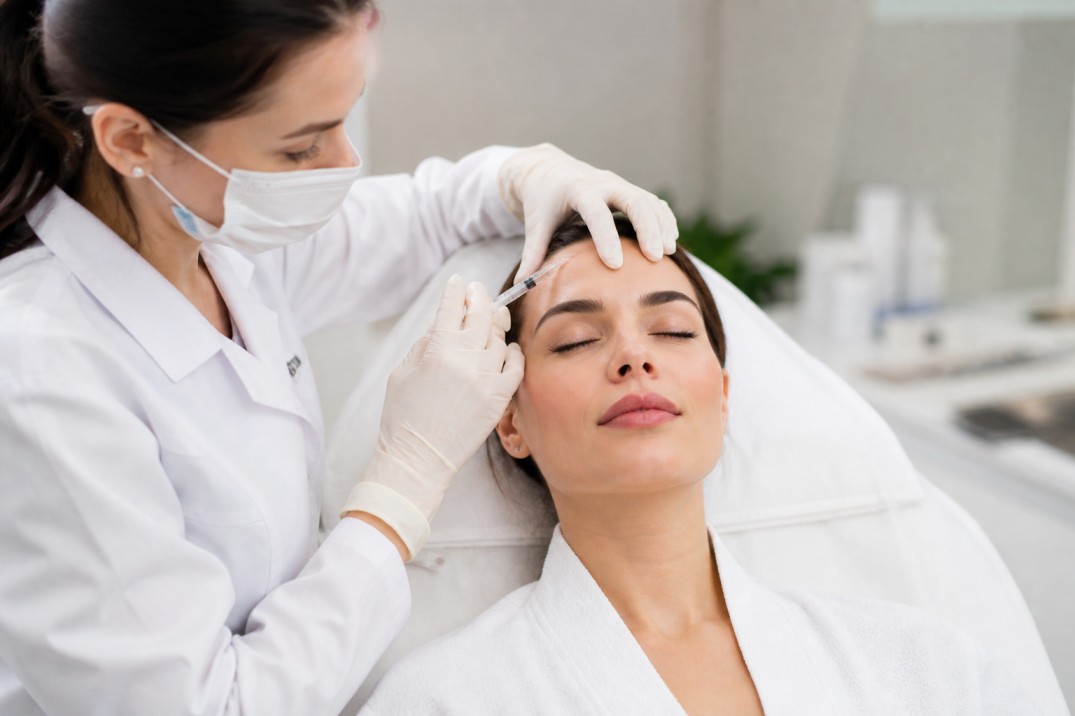
Treatments vary, but common elements include local anaesthetic, gradual injections, and immediate swelling. Typical aftercare steps include ice packs, avoiding strenuous exercise for 24–48 hours, and sleeping propped up to reduce swelling. If lumps, severe pain, or visual changes occur, contact the practitioner immediately.
Recovery timeline and common side effects
Mild swelling and bruising peak at 24–48 hours and settle over 1–2 weeks. Final shape is usually visible after two weeks when inflammation subsides.
Real-world example: a Cheshire consultation scenario
Example: A 34-year-old from Wilmslow desired fuller upper-lip definition to improve smile balance. During consultation the practitioner recommended 0.5mL HA filler focused on the vermilion border, used a slow injection technique to reduce bruising, and provided a written aftercare plan. Swelling resolved in five days with noticeable but natural definition retained at three months.
Practical tips for best results
- Book a separate consultation first — use it to review medical history and expectations, not to rush into treatment.
- Avoid alcohol and blood-thinning medications for 24–48 hours before the appointment, unless medically required (check with prescribing clinician).
- Start conservatively: smaller volumes can be added at a later date for a layered approach.
- Follow post-treatment instructions precisely: icing, avoiding massage unless instructed, and attending follow-up reviews.
Common mistakes and trade-offs
Typical errors include choosing a provider based on price alone, seeking excessive volume in a single session, or ignoring medical contraindications (pregnancy, active infection, certain autoimmune conditions). Trade-offs to consider:
- Immediate volume vs. long-term maintenance: permanent implants remove repeat appointments but have higher long-term risk.
- Strongly defined borders vs. natural appearance: sharper borders may look artificial if overdone.
- Fast fixes vs. staged approach: spreading treatment over two sessions reduces swelling and improves symmetry control.
Core cluster questions
- What are the most common lip filler types and how long do they last?
- How to choose a qualified practitioner for lip enhancement in Cheshire?
- What should be included in an initial consultation for lip fillers?
- How to manage swelling and bruising after lip injections?
- What are the risks and signs of complications after lip filler treatment?
Costs and booking considerations
Costs vary by clinic, practitioner experience, and product used. Expect a wide range; price alone should not be the deciding factor. Confirm what is included (consultation, follow-up, and revision policies) before paying a deposit.
FAQ — Frequently asked questions
How long do fuller defined lips in Cheshire last with hyaluronic acid fillers?
Hyaluronic acid fillers typically last 6–12 months depending on formula, injection technique, and individual metabolism. Maintenance sessions are common to preserve the look.
Are lip fillers safe and what qualifications should a practitioner have?
When performed by a medically qualified and properly trained practitioner with appropriate infection-control standards, lip fillers have an established safety profile. Check medical registration and ask about training in facial anatomy.
Can non-surgical options produce defined lip borders?
Non-surgical approaches can improve definition modestly. For sharper borders or significant volume, injectable HA fillers remain the most effective non-permanent option.
What should be avoided after a lip enhancement appointment?
Avoid heavy exercise, sauna, and direct sun exposure for at least 24–48 hours. Avoid massaging the area unless the practitioner recommends it.
How to handle a complication or unexpected result?
Contact the treating practitioner immediately. For HA fillers, hyaluronidase can be used to reverse effects in case of vascular compromise or unacceptable results. If severe symptoms occur, seek urgent medical attention.