How to Choose a Folding Bed: Essential Features for Comfort, Durability, and Portability
-

- Published Updated
- 1,380 views
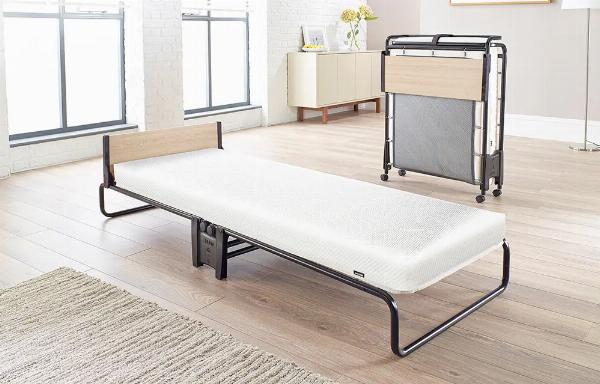
Choosing the right folding bed requires attention to practical details and comfort. This article explains what features to look for in a folding bed, covering frame construction, mattress options, portability, safety, and sizing to help select a solution that fits space, use, and durability needs.
- Prioritize frame strength, locking mechanisms, and weight capacity for safety and durability.
- Match mattress type and thickness to intended use—short-term guest use vs nightly sleep.
- Consider portability features: wheels, folding size, and assembly requirements.
- Check safety standards, warranty, and return policy before buying.
Folding bed: key features to consider
Frame material and construction
A durable frame is the foundation of a reliable folding bed. Steel frames are common for rollaway and folding beds because of high strength and good load-bearing capacity. Look for powder-coated or galvanized finishes to resist rust. Weld quality, reinforced joints, and cross-bracing improve long-term stability. For lighter, more aesthetic options, hardwood or plywood frames may be available, but verify load ratings and manufacturer testing.
Weight capacity and stability
Weight capacity is a critical safety and comfort indicator. Typical folding beds list maximum single-user weights; choose a model with a margin above the intended user's weight. Stability features such as wider legs, anti-slip feet, and secure locking mechanisms reduce wobble when sitting or turning in bed.
Folding mechanism and locking features
The folding mechanism should operate smoothly and lock securely in both open and closed positions. Spring-assisted or gas-assisted hinges ease setup, while positive locking latches prevent accidental collapse. Inspect how the bed folds for storage—some fold flat for compact storage while others collapse into a thinner upright profile.
Portability and storage
Consider how often the bed will be moved. Durable casters or wheels make repositioning easier; look for locking wheels to prevent drift during use. Dimensions when folded determine storage options—measure closet or under-bed clearance before purchase. Lightweight designs help with carrying, but balance portability against frame strength.
Mattress type, thickness, and comfort
Mattress options for folding beds include innerspring, foam (polyfoam or memory foam), and hybrid constructions. For occasional use, a 3–5 inch mattress may suffice; for regular nightly use, aim for 5–8 inches or more depending on the foam density or coil support. High-density foam (measured in lb/ft³) generally provides firmer long-term support. Removable, washable covers and breathable materials help with hygiene and temperature regulation.
Height and compatibility with bedding
Bed height affects comfort sitting and ease of getting in and out. Lower folding beds may require step-in effort for taller users or those with mobility issues. Confirm standard bedding sizes (twin, twin XL, full) match the folding bed mattress dimensions so fitted sheets fit correctly.
Safety features and standards
Safety features to check include pinch-point protection on hinges, secure locks, and stable wheel locks. Look for compliance testing or standards referenced by regulators or testing bodies; organizations such as ASTM International set product testing standards, and national regulators like the U.S. Consumer Product Safety Commission (CPSC) provide guidance on sleep product safety. For specific safety information, refer to the CPSC website: https://www.cpsc.gov/.
Ease of cleaning and maintenance
Removable mattress covers, washable fabrics, and accessible frame surfaces simplify cleaning. Metal frames are generally easier to wipe down, while upholstered folding beds require fabric care. Inspect moving parts periodically for wear and lubricate hinges if recommended by the manufacturer.
Warranty, return policy, and reviews
A clear warranty and return policy are useful trust signals. Warranty scope (frame vs mattress) and duration indicate expected durability. Independent reviews and consumer feedback can reveal recurring issues such as squeaks, frame failures, or mattress flattening.
Choosing the right folding bed for use cases
Guest room and occasional use
For occasional guests, prioritize compact storage, easy setup, and a comfortable but thinner mattress. Wheels and a light frame enhance convenience.
Daily or long-term sleeping
For regular use, invest in a sturdier frame, thicker mattress with higher-density foam or better coil support, and a model rated for nightly sleeping. Consider mattress firmness appropriate to sleeping preferences and any mobility needs.
Small spaces and multi-use rooms
In apartments or multipurpose rooms, folding beds that fold vertically or tuck into a closet save space. Measure storage opening dimensions and doorway clearance to ensure the folded bed can be moved and stored easily.
Checklist before buying
- Verify weight capacity and frame material.
- Confirm mattress size and thickness appropriate to use.
- Test folding and locking mechanism for smooth, secure operation if possible.
- Measure storage space and transport routes (doorways, staircases).
- Check warranty, return policy, and safety certifications or testing references.
Can a folding bed be used every night?
Yes, some folding beds are designed and rated for nightly use, but the mattress thickness, foam density, and frame construction must be suitable for long-term support. Choose models explicitly marketed and rated for daily sleeping and check warranty terms.
What features should you look for in a folding bed to ensure safety?
Look for secure locking mechanisms, stable legs with non-slip feet, wheel locks on casters, protected hinge areas to avoid pinch injuries, and compliance with recognized product testing standards from bodies such as ASTM. Also review any recalls or advisory notices from national regulators like the CPSC.
How thick should a folding bed mattress be for comfort?
For occasional use, 3–5 inches may be adequate. For regular nightly sleep, 5–8 inches or thicker with higher-density foam or proper coil support is preferable. Mattress firmness depends on personal comfort and body support needs.
How to maintain and extend the life of a folding bed?
Regularly inspect and tighten fasteners, keep moving parts clean and lubricated per manufacturer instructions, wash removable covers, rotate or flip mattresses if recommended, and avoid exceeding weight limits. Proper storage in a dry, climate-controlled area helps prevent rust and fabric degradation.
Is a folding bed right for a child or elderly person?
For children, ensure guard rails and secure locks; for older adults, prioritize stable height, ease of transfer, and firm support. If mobility or medical needs exist, consult a healthcare professional for individualized recommendations rather than relying solely on a consumer folding bed choice.
Where to find additional safety guidance?
Official safety guidance is available from regulators and standards organizations such as the U.S. Consumer Product Safety Commission and ASTM International. Independent sleep health information can be found through organizations like the National Sleep Foundation.