Choose the Best Liposuction Surgeon Near You: Practical Checklist & Questions
-

- March 21st, 2026
- 503 views
Finding the best liposuction surgeon near me starts with a targeted search, objective verification of credentials, and a structured consultation plan. This guide explains what to check, what questions to ask, and how to compare surgeons realistically so decisions are based on safety and predictable results.
- Use the SAFE LIPO Checklist to evaluate qualifications, facility safety, and outcomes.
- Verify board certification and facility accreditation—confirmed sources matter.
- Bring targeted consultation questions and compare three surgeons on the same criteria.
Detected intent: Informational
How to find the best liposuction surgeon near me
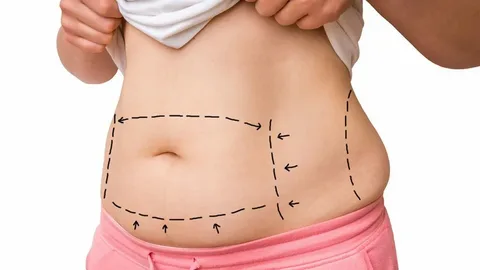
Start local and narrow by credentials: search for board-certified plastic surgeons who perform liposuction regularly, operate in accredited facilities, and publish before-and-after outcomes. The phrase best liposuction surgeon near me is a useful search query but confirm findings with verifiable details—certification, hospital privileges, complication rates, and patient reviews.
SAFE LIPO Checklist (named framework)
Use the SAFE LIPO Checklist to compare candidates consistently. SAFE LIPO stands for:
- Surgeon certification — Confirm board certification (plastic surgery or dermatologic surgery relevant to liposuction).
- Accredited facility — Ensure the procedure will be performed in an accredited surgical facility or hospital.
- Follow-up care — Check included aftercare and complication plans.
- Experience and outcomes — Ask about case volume and view standardized before-and-after photos.
- Listening and informed consent — Surgeon explains risks, alternatives, and recovery clearly.
- Informed logistics — Transparent fees, anesthesia plan, and recovery timeline.
- Peer and patient reviews — Look for patterns in feedback, not single comments.
- Office safety and protocols — Sterility, emergency equipment, and staff training.
How to verify credentials and safety
Verify board certification through official directories and confirm hospital privileges when possible. The American Board of Plastic Surgery and state medical boards list board-certified surgeons. For safety standards and procedure information, reputable professional sites provide best-practice guidance. For example, the American Society of Plastic Surgeons maintains patient safety resources and board certification information (source).
Board certification vs. advertising claims
Board-certified plastic surgeons have completed accredited residency training and passed standardized exams. Advertising terms like "cosmetic surgeon" can be misleading if not supported by board certification—always confirm on an official board website or state medical board.
Consultation plan: liposuction surgeon consultation questions
Bring a written list of liposuction surgeon consultation questions and compare answers across candidates. Key items to cover:
- How many liposuction procedures does the surgeon perform per year and for which body areas?
- What specific liposuction techniques are offered (tumescent, ultrasound-assisted, power-assisted) and which is recommended?
- Where will the procedure be performed and who provides anesthesia?
- What are the expected risks, recovery timeline, and typical outcomes?
- Request to see standardized before-and-after photos for the exact procedure type.
Real-world example: applying the checklist
Scenario: A person in a mid-sized city narrows results to three surgeons. Using the SAFE LIPO Checklist, each surgeon is scored on board certification, facility accreditation, documented outcomes (photo sets), and aftercare plan. One clinic operates in a non-accredited office and is eliminated. Between the remaining two, the choice favors the surgeon with documented hospital privileges, higher case volume for the specific area (abdomen), and clear management of complications. This objective comparison reduced uncertainty and prioritized safety over price.
Practical tips
- Compare at least three surgeons using the same checklist to avoid biased impressions.
- Bring a friend to consultations to help remember details and ask follow-up questions.
- Request standardized photos with consistent lighting and angles; anonymized patient testimonials are useful but not decisive.
- Confirm who is performing each step—surgeon, resident, or assistant—and where anesthesia care comes from.
- Verify cancellation and complication policies in writing before signing consent forms.
Trade-offs and common mistakes
Common mistakes include choosing solely by price, assuming online reviews represent the full picture, or relying on a single consultation. Trade-offs often involve balancing cost, surgeon experience, and wait times. High volume may indicate expertise but also limited availability. Conversely, a lower-volume surgeon might offer more personalized time but less proven track record for complex cases.
Core cluster questions (for internal linking or further reading)
- What questions should be asked during a liposuction consultation?
- How to check a surgeon's board certification and hospital privileges?
- What are the differences between liposuction techniques and how do they affect recovery?
- How to interpret before-and-after photos and outcome statistics?
- What safety features should an accredited surgical facility provide?
Next steps
Start by compiling a short list of local surgeons, verify credentials with official board directories, and schedule consultations using the SAFE LIPO Checklist and the consultation questions above. Prioritize safety, clear communication, and documented outcomes over marketing claims.
FAQ: How can someone find the best liposuction surgeon near me?
Use targeted searches, confirm board certification and facility accreditation, compare three surgeons with a consistent checklist, and prioritize documented outcomes and clear aftercare plans.
FAQ: What qualifications should a board certified liposuction surgeon checklist include?
The checklist should include board certification in plastic surgery, hospital privileges, facility accreditation, documented case volume, standardized before-and-after photos, and a defined aftercare protocol.
FAQ: How many liposuction procedures should a qualified surgeon perform per year?
There is no universal number, but higher procedure volume for a specific body area tends to correlate with experience. Ask about outcomes and complication rates rather than trusting a single volume threshold.
FAQ: What are common mistakes people make when choosing a liposuction surgeon?
Common mistakes are selecting only by price, accepting vague outcome promises, skipping verification of credentials, and not confirming the operating facility's accreditation or anesthesia provider.
FAQ: How long is recovery after liposuction and what should aftercare include?
Recovery varies by technique and volume removed. Typical elements of aftercare include compression garments, follow-up visits at set intervals, clear instructions for wound care, and a written plan for managing complications or revisions.